The era of slow-motion diplomacy with Tehran is over. We’re watching a high-stakes gamble play out in real-time as Donald Trump pivots from traditional sanctions to a direct, kinetic threat against Iran’s backbone. He isn't just talking about cutting off bank accounts anymore. He’s explicitly targeting the power plants, oil terminals, and refineries that keep the Islamic Republic breathing.
If the current round of talks doesn’t yield a massive shift in Iran's nuclear trajectory, the President has signaled he’s ready to greenlight strikes on critical infrastructure. It’s a "deal or darkness" ultimatum. This isn’t just bluster for a campaign rally; it’s a fundamental shift in how the U.S. intends to use its military leverage to force a diplomatic outcome. You don’t have to like the tactics to see that the goal is to make the cost of Iranian non-compliance literally unbearable.
The Shift From Economic Pressure to Physical Destruction
For years, the U.S. played the "Maximum Pressure" game. It was a war of spreadsheets—sanctions on shipping, freezing assets, and blacklisting oil tankers. It hurt, sure, but the Iranian leadership proved they could survive on a "resistance economy." They got good at smuggling. They found backdoors through shadow banking.
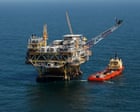
Trump’s new stance suggests he thinks the spreadsheet war has hit a ceiling. By moving the target from the central bank to the Kharg Island oil terminal or the Persian Gulf power grid, the U.S. is raising the stakes to an existential level. If you take out the refineries, you don't just stop exports; you stop the country from functioning internally. You get long lines at gas stations, rolling blackouts in Tehran, and a population that suddenly finds the government's nuclear ambitions a lot less appetizing when the lights won't stay on.
The logic here is brutal but clear. Infrastructure is hard to hide and even harder to repair under a blockade. You can’t "smuggle" a rebuilt power plant past a carrier strike group.
What Happens if the Diplomacy Fails
Negotiations are currently at a knife-edge. The U.S. wants a total halt to enrichment and a permanent end to drone exports to proxy groups. Iran wants immediate relief and a guarantee that the next administration won't just rip up the paper again. It's the same old dance, but with a ticking clock in the background that sounds a lot like an afterburner.
If these talks collapse, we aren't looking at "more of the same." We’re looking at a targeted campaign designed to de-industrialize the Iranian regime's military capabilities. Military analysts often talk about "strategic paralysis." That’s the goal. By hitting the infrastructure that supports the IRGC, the U.S. aims to make it impossible for Iran to project power abroad or maintain control at home.
It's a risky path. Iran has spent decades building a "ring of fire" via proxies in Lebanon, Iraq, and Yemen. A strike on Iranian soil almost certainly triggers a regional mess. We're talking about potential retaliatory strikes on tankers in the Strait of Hormuz or rocket barrages aimed at U.S. bases in the region. Trump seems to be betting that Iran knows it would lose that escalation ladder and will choose the deal instead.
The Oil Market Reality Check
Let’s talk about your wallet. Any time a U.S. President mentions "infrastructure strikes" in the Middle East, the oil markets freak out. Iran sits on some of the world’s largest proven oil and gas reserves. Even the threat of hitting a terminal like Kharg Island sends Brent crude prices upward.
The irony is that Trump usually wants low gas prices. But here, he’s using the global energy market as a secondary lever. If the world fears a supply shock, it puts pressure on Iran’s remaining customers—like China—to force Tehran back to the table. It’s a messy, interconnected web of energy security and hard-nosed geopolitics.
Getting Beyond the Rhetoric
People often dismiss these threats as "typical Trump," but the regional context has changed. The Abraham Accords shifted the balance of power, and many of Iran’s neighbors are quietly (or not so quietly) cheering for a more aggressive U.S. posture. They’ve lived under the shadow of Iranian missiles for years. For them, a weakened Iranian infrastructure is a win for regional stability, even if the road to get there is terrifying.
Don't expect a middle ground here. This administration has made it clear that the "status quo" is no longer an option. They’ve set a hard deadline. Either the Iranian government makes concessions that were previously unthinkable, or they face a systematic dismantling of the physical assets that keep their regime afloat.
The next few weeks will tell us if this is the ultimate art of the deal or a slide into a conflict that could reshape the Middle East for a generation. Watch the movement of carrier groups in the Arabian Sea and the tone of the Iranian Foreign Ministry. If the rhetoric doesn't cool down soon, the "infrastructure strikes" threat might move from a talking point to a mission brief.
Keep an eye on the specific movements of the U.S. 5th Fleet. Their positioning is usually the first real indicator that the White House is moving past verbal warnings. If you see increased activity around the Strait of Hormuz, the window for diplomacy is likely closing fast.