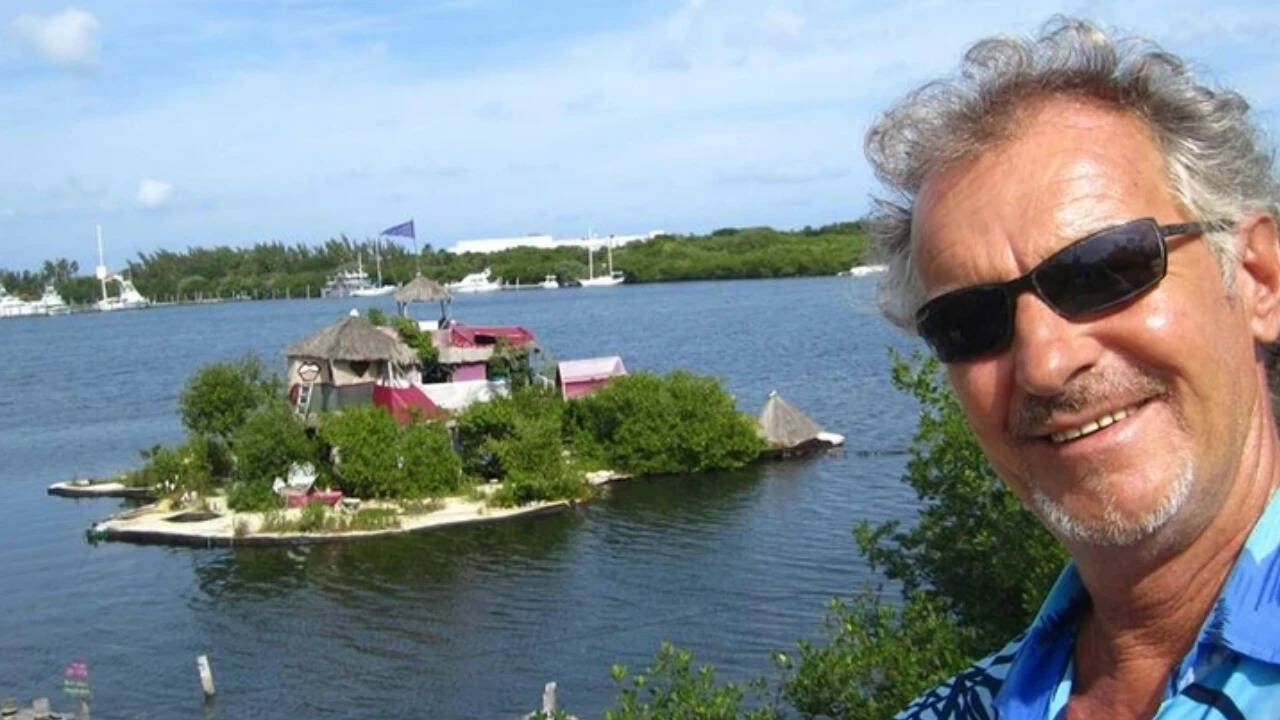
Low-cost infrastructural reclamation projects often substitute romantic narrative for structural resilience, creating systemic vulnerabilities that accelerate physical failure under environmental stress. The construction of floating human habitats using discarded consumer packaging—exemplified by the architectural endeavors of Richart Sowa in Mexico—presents a compelling intersection of waste repurposing, buoyancy engineering, and off-grid load management. Standard journalistic accounts reduce these initiatives to whimsical artistic curiosities, ignoring the underlying mechanical principles, buoyancy physics, and regulatory friction that dictate their long-term viability. Deconstructing the mechanics of bottle-based artificial islands reveals both the genuine efficacy of localized material upcycling and the absolute physical thresholds of unreinforced marine infrastructure.
The Buoyancy Matrix and Load Distribution
The fundamental physics of a polyethylene terephthalate floating platform rest entirely on displacement volume versus total mass. A standard single-use plastic beverage container, when sealed at standard atmospheric pressure, provides a precise ratio of trapped air volume to container weight. When aggregated inside agricultural netting or industrial sacks, these containers function as modular pontoons.
To achieve positive buoyancy capable of supporting an 8,000-square-foot footprint housing multi-story timber architecture, vegetation, sand beds, and human occupants, the structural density of the foundational layer must remain strictly lower than the density of displaced saline or brackish water.
The structural layers operate in a strict vertical sequence:
- The base containment tier utilizing mesh or fruit sacks packed with sealed bottles.
- The intermediate load-distribution grid composed of wooden pallets and structural plywood.
- The ballasting layer consisting of sand, soil, and root systems that provide inertia against wind uplift.
This configuration creates a composite material system where the tensile strength of plastic mesh counteracts the compressive downward vectors of built structures. However, this matrix introduces a critical vulnerability: differential settling. Because individual bottles lack rigid interlocking connections, dynamic wave action induces localized shifting. Over extended operational lifespans, this shifting compromises the uniform distribution of buoyancy, resulting in structural tilt and accelerated fatigue on superstructure joints.
Material Degradation Vectors in Marine Environments
Polyethylene terephthalate exhibits high resistance to moisture degradation, but it remains susceptible to ultraviolet radiation when exposed to direct sunlight. In unshielded outdoor environments, solar exposure initiates photo-oxidation, embrittling the polymer chains of the outer container walls.
When applied to floating infrastructure, the structural lifespan of the asset depends entirely on the mitigation of two distinct degradation vectors:
- Ultraviolet penetration causing micro-fracturing of the container skin.
- Marine bio-fouling adding dead weight and altering the hydrodynamic profile of the flotation array.
As container walls lose structural integrity through UV exposure, cyclic wave pressure causes micro-cracks to propagate, leading to progressive deflation or flooding of individual buoyancy chambers. While replacing damaged modules is theoretically possible in a maintenance-intensive regime, the subterranean positioning of the core flotation layer beneath pallets, soil, and heavy top-structures renders preventative maintenance operationally impossible without total deconstruction.
The Thermodynamic and Utility Subsystems
Off-grid self-sufficiency requires closed-loop management of energy, water, and waste. The architectural integration of localized utility systems within a floating footprint demonstrates high operational ingenuity, yet it operates under severe thermodynamic constraints.
Solar energy capture via photovoltaic panels provides sufficient amperage for low-draw appliances and communication tools, but storage banks remain vulnerable to high humidity and salt-spray corrosion. Rainwater catchment systems bypass municipal distribution dependencies, though storage capacity is inherently capped by physical platform dimensions and weight load limits. Graywater management on a confined floating platform relies heavily on natural filtration through root zones and artificial wetlands integrated into the island landscape.
Mechanical innovation such as wave-driven washing mechanisms harness kinetic energy directly from ambient water movement, translating irregular wave vectors into rotational work. Yet, the mechanical efficiency of these systems fluctuates wildly with local weather patterns, establishing an unreliable baseline of utility performance that forces reliance on manual intervention.
Regulatory Friction and Jurisdictional Paradoxes
The placement of unconventional marine architecture in coastal zones inevitably triggers jurisdictional conflict. Maritime authorities operate within legislative frameworks designed for commercial vessels, recreational watercraft, or permanent real estate. An artificial island composed of waste materials challenges these regulatory boundaries.
When governing bodies classify a floating bottle platform as an eco-boat or non-standard vessel, the asset becomes subject to mandatory maritime safety inventories, including emergency signaling devices, fire suppression equipment, and structural inspection standards. Conversely, treating the structure as a land-based domicile runs afoul of zoning laws, environmental impact assessments, and property tax codes. This regulatory ambiguity creates a permanent compliance deficit. Without a clear legal taxonomy for recycled-material marine platforms, local authorities typically default to remediation orders, citing navigational hazards and storm-debris mitigation protocols.
Environmental Stochastics and Structural Longevity
The ultimate metric of infrastructure performance in coastal zones is resilience against extreme meteorological events. Tropical storms and hurricanes generate storm surges and high-velocity wind vectors that exert immense shear stress on anchored or tethered platforms.
A rigid land structure withstands wind through deep foundation anchoring. A floating platform must absorb energy through compliance and repositioning. When tethering systems experience peak wave energy loads, fastening points undergo point-failure fatigue. The structural failure of Joyxee Island during severe weather events illustrates the hard limits of unengineered buoyant masonry. Without dynamic tension-relief mechanisms and heavy-duty marine-grade mooring architecture, wave action overcomes the tensile limits of containment nets, releasing hundreds of thousands of individual plastic containers into the marine ecosystem and converting a green architectural project into an acute pollution event.
Deploy future iterations of floating waste architecture with rigid modular pontoons encased in UV-stabilized HDPE shells, engineer multi-point dynamic catenary mooring lines to absorb storm surge energy, and secure municipal maritime operating permits prior to deployment to eliminate regulatory removal risks.
The Man Who Built an Island Out of Plastic Bottles
This video provides a visual walkthrough of the structural layers and off-grid mechanics utilized in building a floating plastic bottle island.
http://googleusercontent.com/youtube_content/1