The coffee cup is cold. You forgot about it again.
Somewhere between reading an email about quarterly projections and listening to the hum of the refrigerator, the liquid went flat, room temperature, lifeless. You take a sip anyway. It tastes like compromise.
We spend our days managing the machinery of living. Calendars dictate our waking hours. Notifications pull our eyes downward into glowing rectangles. We are efficient. We are productive. We are exhausted. And yet, beneath the hum of utility, a quiet whisper persists, asking whether any of this motion actually amounts to forward progress.
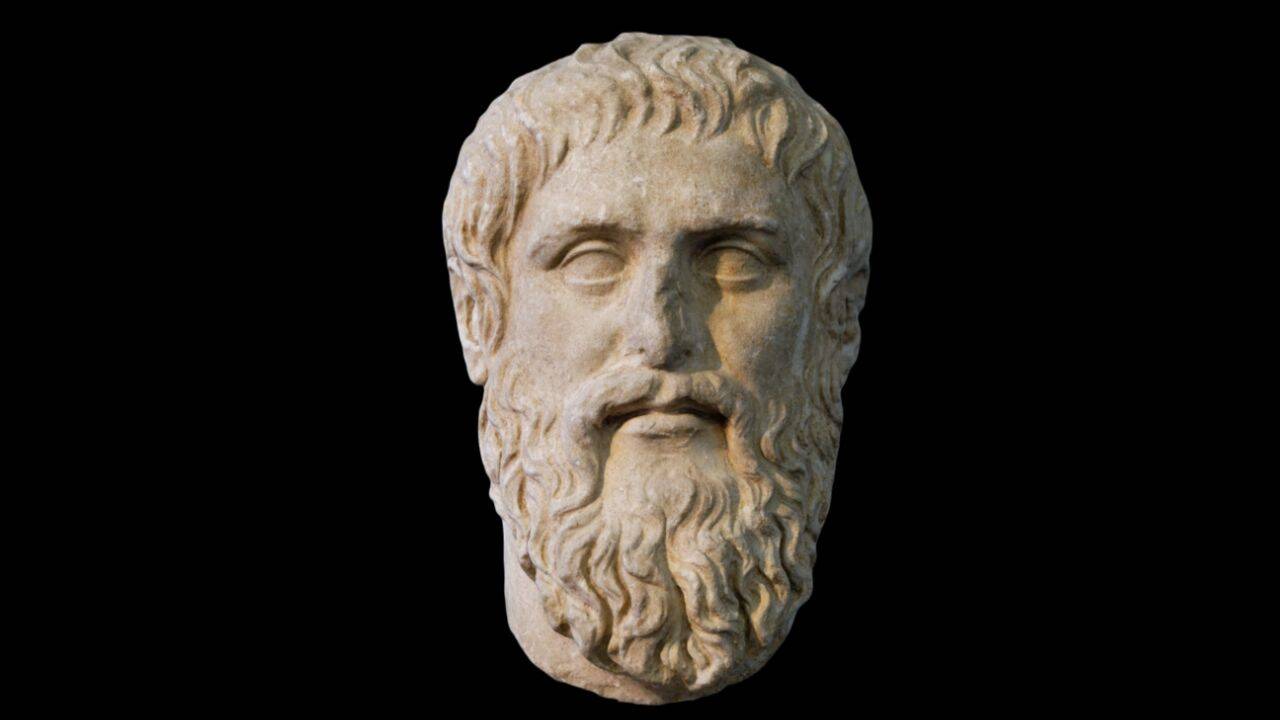
Plato knew this exhaustion. More than two millennia ago, the ancient Greek thinker wrote a line that gets buried beneath dusty philosophy textbooks, reduced to a dry quote printed on the back of a bookmark: Wonder is the feeling of a philosopher, and philosophy begins in wonder.
It sounds quaint. Like something you embroider on a pillow. But strip away the academic varnish and look at what Plato was actually naming. Wonder is not a polite intellectual hobby. Wonder is a jolt to the system. It is the sudden, terrifying realization that the world you have accepted as fixed, normal, and inevitable is actually wild, mysterious, and profoundly fragile.
Consider what happens when a child sees a lightning storm for the first time.
They do not check their phone for radar updates. They do not calculate the barometric pressure. They freeze. Their eyes widen. Their breath catches in their throat. They are overwhelmed by a terrifying, magnificent presence that refuses to fit inside a neatly organized mental box. That is wonder.
As adults, we spend decades systematically murdering that feeling.
We call it maturity. We call it becoming practical. When a colleague explains a complex market shift, we nod, assign it a mental category, and file it away to deal with later. When we look up at the night sky, we register light pollution and satellite traffic instead of an endless, terrifying abyss. We have replaced direct encounter with efficient administration. We manage our experiences rather than having them.
History is filled with people who refused this numbness.
Take Rachel Carson in the middle of the twentieth century. She was a marine biologist who spent her days looking at microscopic life in tidal pools. While industrial chemistry was racing forward, promising a clean, pest-free paradise through synthetic pesticides, Carson stopped. She looked closer. She wondered about the robin's egg. She wondered about the silent spring.
She did not start with a political agenda. She started with radical, stubborn attention.
When Carson published her findings, industrial titans called her emotional. They argued that her sense of wonder had blinded her to the hard economics of progress. But history proved the opposite. It was their cold calculation that was blind. They could manipulate variables, but they could not see the system as a whole. They lacked the philosophical stamina to wonder what happens when you poison the rain.
Here is the dirty secret of modern expertise: specialization makes us blind.
A data analyst can tell you the conversion rate of a landing page down to the thousandth decimal place. A logistics manager can optimize a shipping route by six minutes. A financial planner can rebalance a portfolio to shave off half a percent of risk. But none of them can tell you why you feel hollow on a Tuesday afternoon.
Data tells you what is happening. Wonder asks why anything is happening at all.
Think about the last time you were truly startled by existence. Not stressed. Not anxious about a deadline. Just stopped dead in your tracks by the sheer weirdness of being alive.
Perhaps it happened while you were watching dust motes dance in a shaft of late afternoon sunlight. Perhaps it hit you in a hospital waiting room while listening to the rhythmic beep of a monitor, realizing that human consciousness is tethered to a fragile bag of water and electrical impulses. For a second, the matrix of your daily worries evaporated. The bills, the emails, the unspoken tension with your neighbor—they all vanished. You were just an awareness, standing in an incomprehensible universe.
That feeling is uncomfortable. That is why we flee from it.
Wonder strips away our defenses. It reminds us that we are not the masters of the universe; we are its temporary guests. Plato understood that philosophy—which is simply the art of learning how to live—cannot begin until we admit how little we actually know.
Most of us build our lives around the illusion of certainty. We buy insurance. We lock our doors. We craft tidy resumes that tell a coherent story about who we are and where we are going. We want a guarantee that our efforts will yield a predictable return.
Nature laughs at our guarantees.
A single medical diagnosis can rewrite fifty years of careful planning in ten seconds. A global supply chain disruption can render an entire industry obsolete overnight. We live on a tilting deck, yet we spend our time rearranging the deck chairs to make them look symmetrical.
When we lose our capacity for wonder, we lose our resilience. Because when a system built entirely on certainty encounters uncertainty, it shatters. But someone who practices wonder—someone who looks at chaos not as an enemy to be conquered, but as a landscape to be understood—does not break. They bend. They become curious.
Imagine sitting across from someone who has lost everything in a flood.
Their home is gone. Their photographs are soggy pulp. Their neighborhood is unrecognizable. To look at them is to witness the absolute floor of human suffering. And yet, if you sit with them long enough, past the shock and the grief, you might catch a strange shift. They start noticing things. The resilience of the ants crawling up the surviving fence post. The kindness of a stranger handing them a hot cup of coffee in a paper cup. The way the sky clears after the deluge, washing the air clean.
This is not toxic positivity. This is the survival instinct of the soul.
We need wonder not because it makes us feel good, but because it wakes us up. It is the antidote to the quiet sleepwalk of modern routine.
Consider how easily days bleed into weeks. You wake up, check your phone, commute, type, eat, scroll, sleep. Repeat. If someone asks you what you did last November, your mind draws a blank. The days are long, but the decades are short. We are sleepwalking through our own biographies.
Wonder is the alarm clock.
When you pause to wonder why a friend suddenly went quiet, you stop judging them and start feeling their pain. When you wonder why your job drains your spirit, you stop blaming yourself for a lack of discipline and start questioning the architecture of your ambition. When you wonder at the complexity of a single sentence, you stop treating language as a utility and start treating it as an art.
We have traded depth for velocity. We move faster because we are terrified that if we slow down, we will have to face the quiet.
Stop for a moment. Look at your hands.
Those bones and tendons are the result of billions of years of trial, error, adaptation, and survival. Every ancestor you ever had—through ice ages, plagues, wars, and famines—managed to pass the torch just long enough for you to sit here, reading these words on a glowing screen. You are an impossible statistical anomaly. You are stardust that figured out how to pay taxes and worry about retirement.
And yet, you are worried about an email from your boss.
The gap between the cosmic absurdity of your existence and the petty urgency of your schedule is where freedom lives.
Plato was right. The philosopher—the human being who refuses to sleepwalk through life—is defined by that ache of wonder. It is the willingness to look at the ordinary and see the miraculous. It is the courage to admit that the answers we've been given are insufficient, and that the only honest response to reality is a wide-eyed, open-hearted gaze.
The coffee is cold. The room is quiet. The notifications are waiting.
You can close this page, pick up your phone, and dive right back into the machinery. Or you can leave the cup where it is, look out the window at the messy, unpredictable world, and let yourself wonder what happens next.