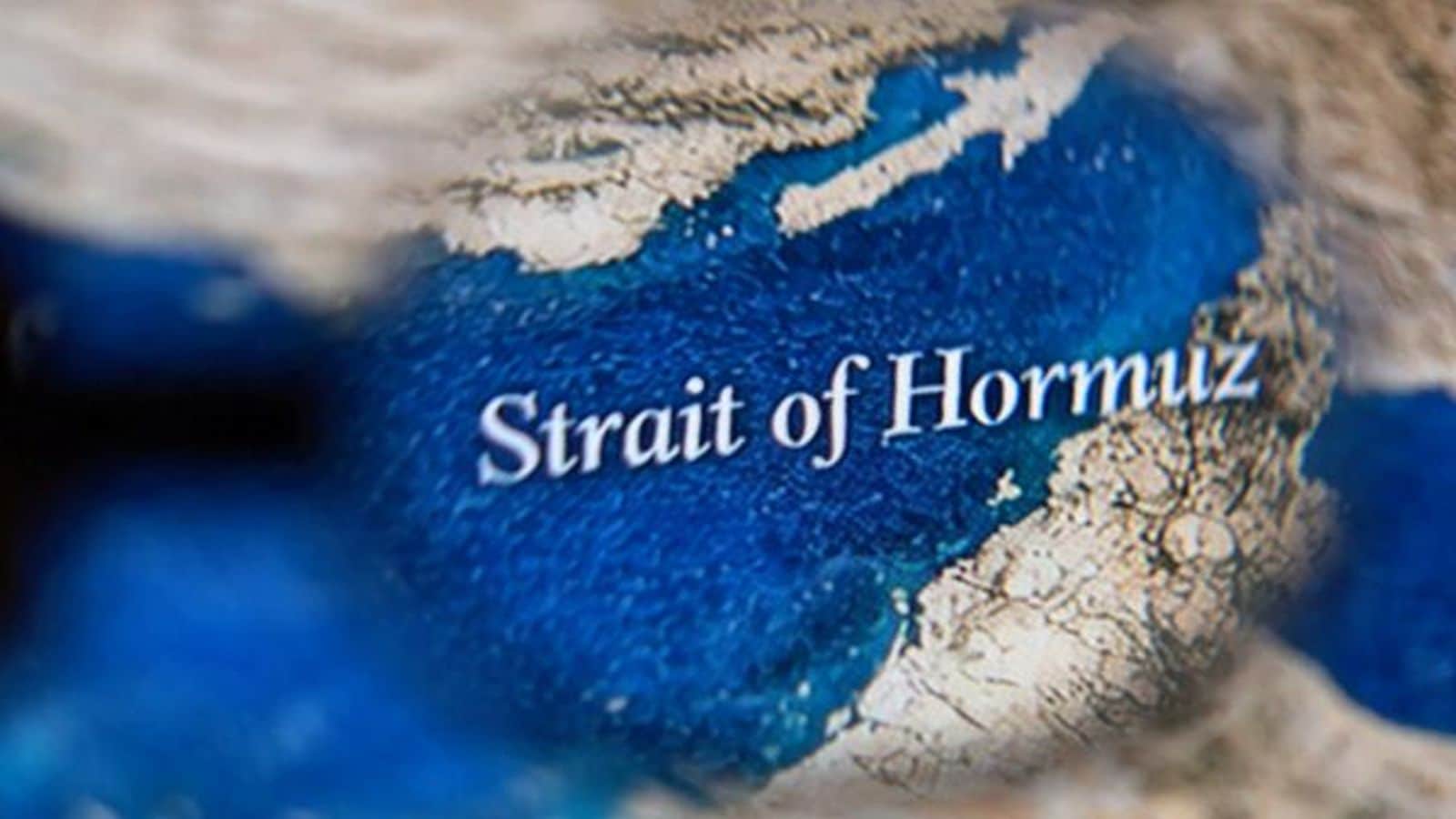
Diplomatic breakdowns rarely happen quietly. Right now, the vital maritime chokepoint connecting the Persian Gulf to the open ocean remains completely paralyzed because Tehran and Washington refuse to budge on conflicting interpretations of a short-lived summer agreement.
If you think this is just regional posturing, you're missing the bigger financial picture. When a fifth of the world's oil supply gets trapped behind military blockades and political disputes, energy markets react instantly. Let's break down what's actually happening on the ground, why the June interim agreement fell apart so fast, and what this means for global logistics moving forward. If you liked this post, you should check out: this related article.
The Core Dispute Behind the Closure
The root cause of the current standoff comes down to an expired 60-day window following an interim memorandum of understanding signed back on June 17. That pact was supposed to pause military operations, ease tensions, and open the door for a permanent settlement regarding Iran's nuclear program.
Instead, it unraveled almost immediately over one specific question: who controls the Strait of Hormuz? For another angle on this story, refer to the latest coverage from Associated Press.
Iranian officials, including top negotiator Mohammad Baqer Qalibaf, made it clear in state media statements that the waterway stays shut until the United States fulfills every condition outlined in that original framework. Those demands are extensive:
- Lifting the ongoing naval blockade of Iranian ports
- Removing heavy economic and oil sanctions
- Releasing billions in frozen Iranian assets overseas
- Halting all military threats and active operations on all fronts
Washington has a completely different view of reality. The White House insists that the interim deal is dead and that naval lanes are secure. But commercial traffic tells a different story. Tanker movement through the corridor remains slowed to a trickle compared to pre-war volumes, leaving shipping companies caught in the crossfire.
Why the June Interim Deal Collapsed So Fast
Diplomats hailed the June agreement as a historic breakthrough, but smart observers knew it was built on shaky ground. Both sides entered the arrangement out of immediate necessity rather than long-term alignment.
Within weeks, friction over Article 5 of the memorandum—which dealt with local maritime management—triggered a diplomatic crisis. Iran claimed the text gave them the right to oversee transit through the strait, while the US flatly rejected that interpretation. By July, President Donald Trump declared the pact over, and Iran formally suspended its participation shortly after.
Since that deadline expired, communication channels have largely frozen. While mediators from Oman and Pakistan have tried to salvage backchannel discussions regarding regional security and strait management, official talks are currently stalled. Tehran has even signaled a shift toward a more aggressive military posture as diplomatic options narrow.
Practical Takeaways for Supply Chains and Energy Markets
Navigating an energy market disrupted by geopolitical conflict requires clear-eyed strategy. Volatility is here to stay, and pretending things will return to normal overnight is a recipe for bad financial decisions.
If you manage logistics, supply chains, or energy investments, keep these factors in mind:
- Expect erratic pricing: Energy and fuel costs will swing wildly based on daily headlines coming out of Tehran and Washington. Build pricing buffers into your operational models now.
- Diversify transport routes where possible: Relying on traditional Middle Eastern shipping corridors without contingency plans leaves operations vulnerable to sudden escalations.
- Ignore the noise: Political rhetoric from leadership on both sides often contradicts actual maritime conditions. Track verifiable vessel tracking data instead of taking public statements at face value.
The standoff at the edge of the Persian Gulf isn't resolving itself anytime soon. Until real concessions are made on sanctions and port blockades, that narrow waterway remains locked down.