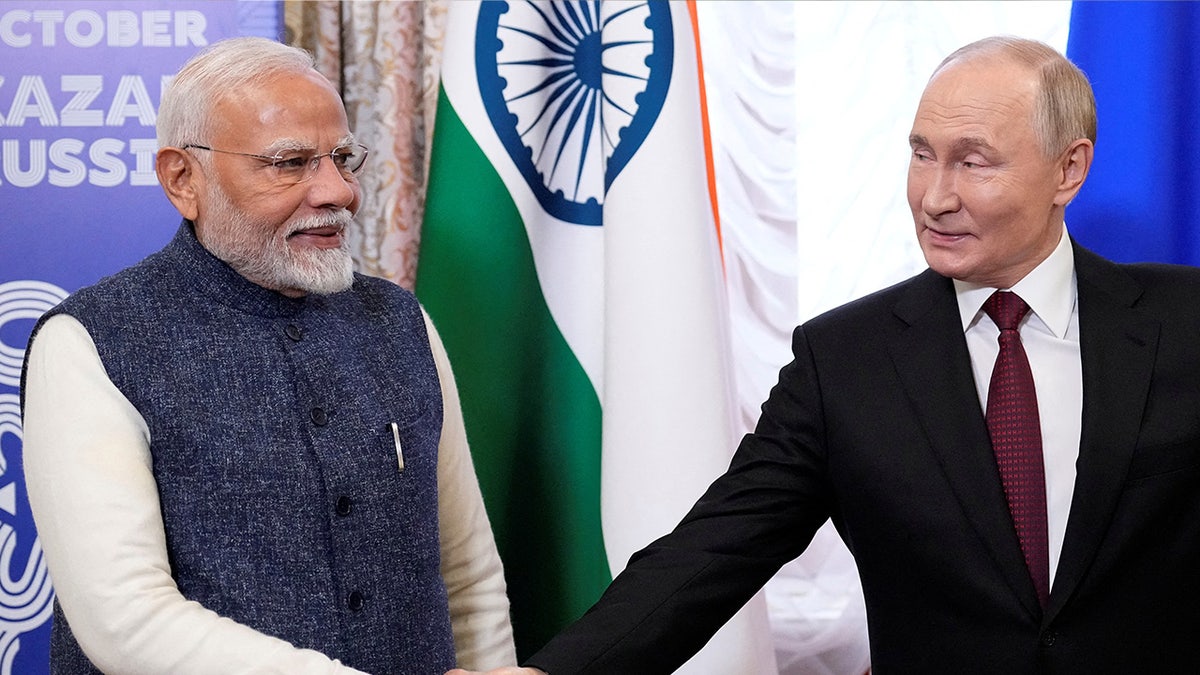
Climate diplomacy often sounds like an endless loop of empty promises and polite handshakes. But when union ministers sit down in New Delhi to hash out actual ecological blueprints, the conversation shifts from theory to execution. Union Minister for Environment, Forest and Climate Change Bhupender Yadav recently hosted the 12th BRICS Environment Ministers' Meeting, making it clear that developing nations aren't waiting around for permission to lead on sustainability.
If you look past the standard diplomatic phrasing, the core objective of India's 2026 BRICS Chairship is simple: force international cooperation to actually benefit the Global South. Yadav steered discussions straight toward four practical pillars that impact everyday survival rather than just abstract carbon metrics: sustainable lifestyles, wildfire management, circular economies, and climate adaptation.
What the 12th BRICS Meeting Actually Achieved
Talk is cheap when temperatures keep rising and biodiversity vanishes. This summit bypassed the usual fluff by officially unveiling four practical knowledge compendiums compiled by the BRICS Environment Working Group.
These aren't shelf-gathering PDFs. They compile real-world frameworks from member countries covering integrated fire management, landscape greening, extended producer responsibility, and low-waste living.
- Sustainable Lifestyles: Promoting mindful consumption and minimizing waste at a community level.
- Disaster Resilience: Tackling rising wildfire threats through early detection systems and coordinated recovery protocols.
- Circular Economies: Scaling regulatory approaches for waste management and resource efficiency.
India brought tangible examples to the table, pointing to domestic campaigns like Mission LiFE and Ek Ped Maa Ke Naam to prove that large-scale ecological restoration works best when local communities actually own the process. You cannot mandate green cover from an air-conditioned office in a capital city; it takes ground-level public participation.
Shifting the Burden of Climate Finance
Developing countries face a brutal reality. They contribute the least to global emissions yet bear the harshest consequences of environmental degradation, weather extremes, and economic strain. Yadav didn't mince words about this imbalance during the New Delhi dialogues.
Ambitious climate targets mean nothing if wealthy industrial nations fail to deliver on promised climate finance and technology transfers. India's push is designed to align policy with actual on-the-ground capability. Without predictable funding, local adaptation strategies remain stalled.
By centering the dialogue around a "humanity first" philosophy, the bloc is attempting to bridge the gap between hard scientific data and indigenous knowledge systems. Modern tech is vital, but ignoring traditional land management practices is a massive blind spot that older climate frameworks repeatedly missed.
Where BRICS Goes From Here
Strengthening ties within an economic and political bloc as massive as BRICS isn't about forming a monolith. It's about practical resource-sharing among nations housing over forty percent of the global population. When Brazil, Russia, India, China, South Africa, and newer partner states share data on drought resistance or circular manufacturing, everyone moves faster.
Expect the outcomes of this New Delhi ministerial meeting to shape upcoming international climate forums. The real test is whether these compiled compendiums turn into enforceable domestic policies.
Stop treating climate action as a PR exercise. True resilience requires structural redesigns in how we consume, build, and recover from disasters. India's current leadership of the bloc signals that the playbook is changing.
Watch highlights from the 12th BRICS Environment Ministers Meeting
This video provides direct coverage of Union Minister Bhupender Yadav addressing the delegates and highlighting the core environmental priorities of the summit.
http://googleusercontent.com/youtube_content/1