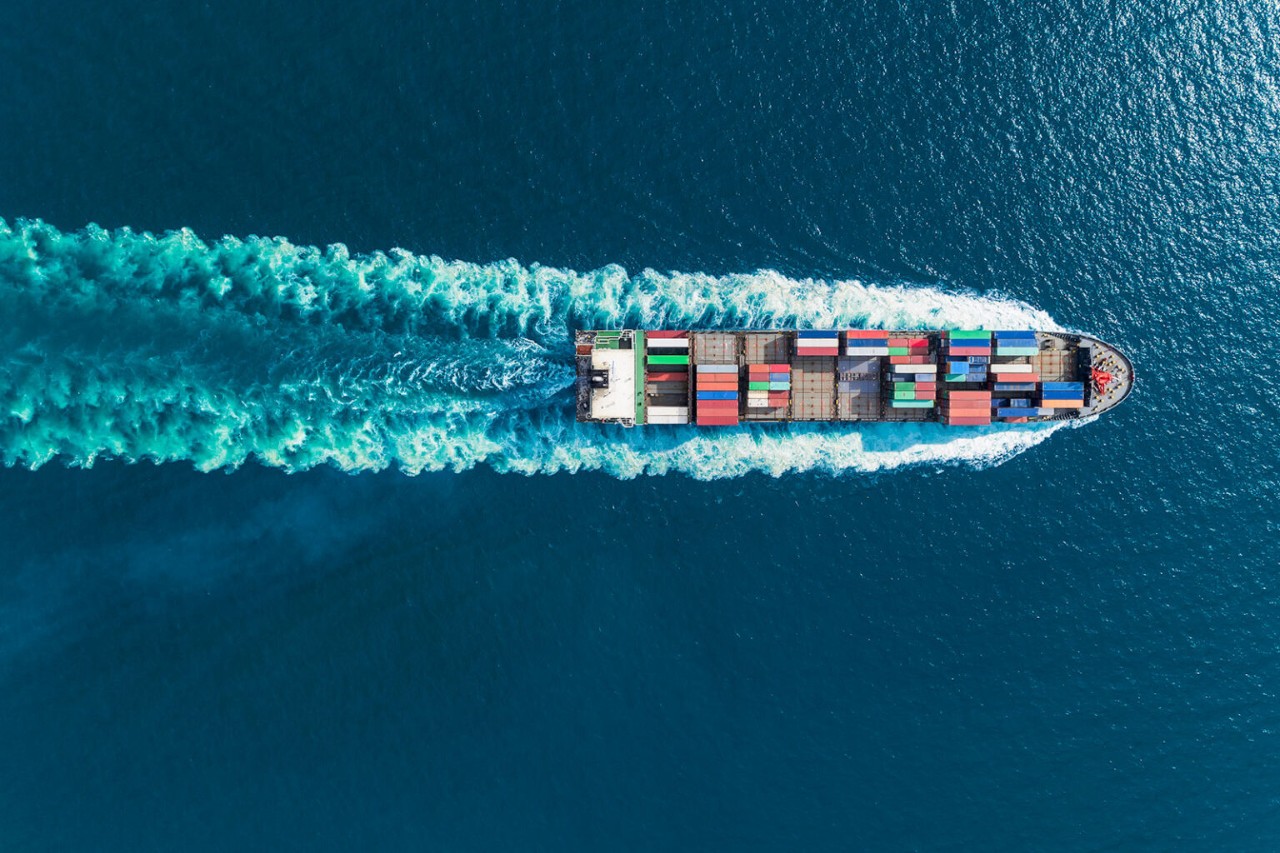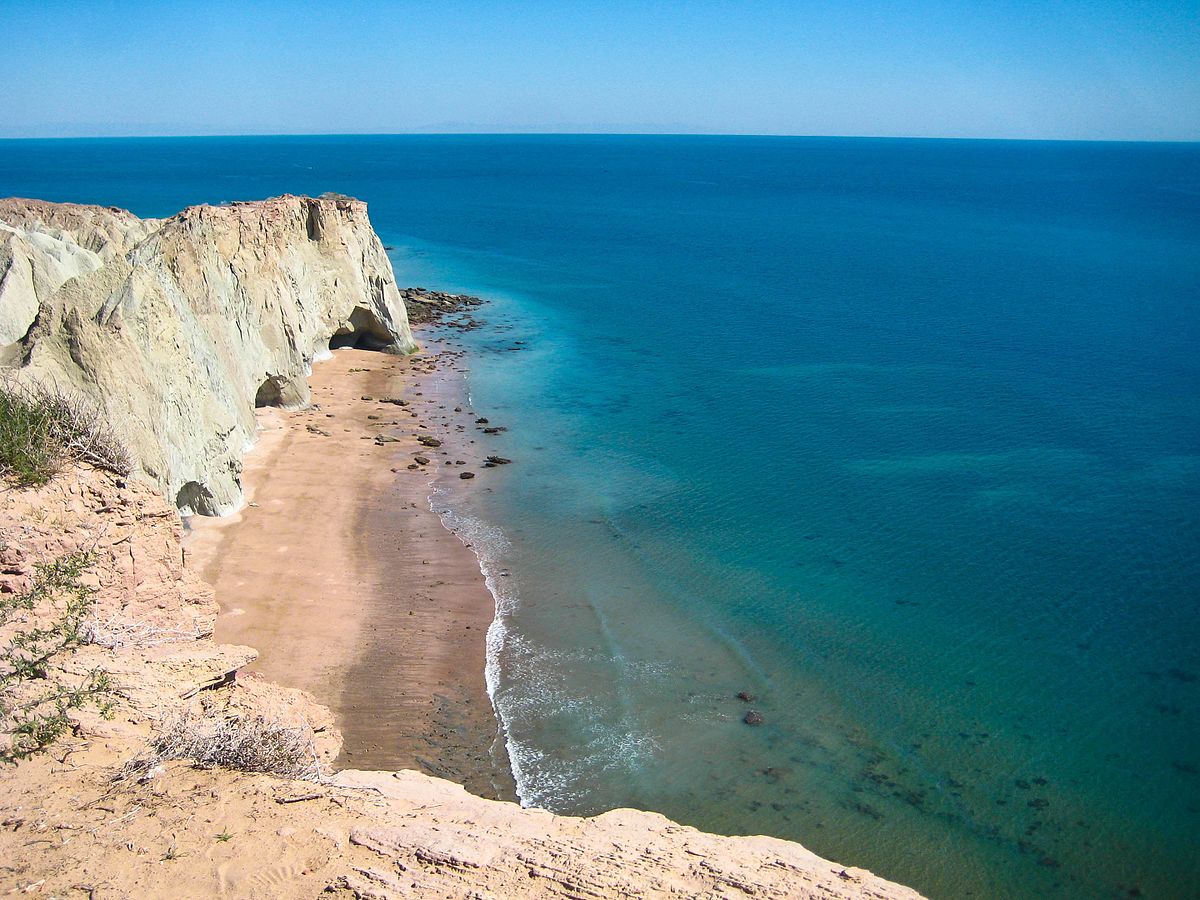
The headlines are predictable. The UAE signals a willingness to join an international coalition to "reopen" or "secure" the Strait of Hormuz, and the markets let out a collective sigh of relief. It is a comforting narrative. We tell ourselves that if we just park enough grey hulls in the water and coordinate enough flags, the 21 million barrels of oil flowing through that narrow choke point daily will be safe.
It is a fantasy.
The obsession with "securing" the Strait through conventional naval presence ignores the fundamental shift in 21st-century asymmetric warfare. If you think a multi-national flotilla stops the kind of disruption that actually shutters a global economy, you haven't been paying attention to the last decade of maritime friction. The UAE isn't offering a military solution; they are participating in a diplomatic theater designed to soothe insurance underwriters.
We need to stop pretending that naval escort equals energy security.
The Escort Fallacy
The "lazy consensus" among defense analysts is that the mere presence of an international task force acts as a deterrent. This is 19th-century logic applied to a 2026 reality. In the tanker wars of the 1980s, the goal was to hit a ship and make a point. Today, the goal is to make the cost of transit prohibitive through legal ambiguity, "grey zone" tactics, and cheap, swarm-based tech.
An Aegis destroyer is a marvel of engineering. It is also a $2 billion target that can be harassed by a $50,000 drone or a magnetic mine attached by a diver in a wooden dhow. When the UAE talks about joining a force, they are entering a game where the cost-to-kill ratio is catastrophically skewed against the "protectors."
I have spent years watching regional players navigate these waters. The reality is that no amount of naval hardware prevents a "mysterious" explosion on a hull in the middle of the night or a sudden regulatory seizure by a littoral power claiming environmental violations. You cannot shoot a sub-surface drone with a diplomatic statement, and you cannot protect 33 kilometers of waterway—the narrowest point of the Strait—against a neighbor determined to turn it into a graveyard of high insurance premiums.
Insurance Is the Real Choke Point
People ask: "Can the Strait of Hormuz be closed?"
They are asking the wrong question. A physical blockade is rarely the goal. You don't need to sink every ship to close the Strait; you just need to make Lloyd’s of London nervous.
The moment a coalition force enters the fray, the risk profile changes. Paradoxically, a heavy military presence often signals to the market that the risk of kinetic conflict has peaked. War risk premiums skyrocket. Suddenly, the cost of moving a barrel of crude jumps by 5%, then 10%.
The UAE knows this. Their "willingness" to join is a hedge. They want to be seen as a stabilizer to keep those premiums from bankrupting their own logistics hubs. But let’s be brutal: an international force is a magnet for provocation. It provides a static, high-value target for any actor looking to humiliate a global power without ever declaring "war."
The Myth of "International Law" at Sea
The competitor's piece leans heavily on the idea of "reopening" the Strait as if it’s a door with a broken hinge. The Strait isn't closed because of a physical barrier. It is "closed" by the erosion of the United Nations Convention on the Law of the Sea (UNCLOS).
- Transit Passage vs. Innocent Passage: Most people don't realize the legal tightrope here. The Strait consists of territorial waters. Under UNCLOS, ships have "transit passage," which is far more permissive than "innocent passage."
- The Enforcement Gap: Who enforces this? If a littoral state decides to reinterpret these rules, a naval coalition has two choices: watch it happen or start a war.
- The UAE’s Position: By joining a force, the UAE is essentially picking a side in a legal argument they used to balance with strategic ambiguity. This isn't a sign of strength; it’s a sign that the old "middle ground" has vanished.
The status quo is a polite fiction where everyone pretends the water belongs to everyone. The reality is that the water belongs to whoever is willing to be the most reckless.
Why Pipelines Won't Save Us Either
The immediate counter-argument is usually: "But what about the Abu Dhabi Crude Oil Pipeline (ADCOP)?"
Yes, the UAE can bypass the Strait to some extent, moving about 1.5 million barrels per day to Fujairah. Saudi Arabia has the East-West Pipeline. These are touted as the ultimate insurance policy.
They are bottlenecks waiting to happen.
If you take the Strait out of the equation, these pipelines become the most attractive targets on earth. Cyber-attacks, physical sabotage, or even simple mechanical failure at a pumping station can do more damage to global energy supplies than a naval skirmish. Relying on fixed infrastructure to solve a maritime mobility problem is like trading a headache for a migraine.
The Brutal Truth About "Allies"
When a regional power like the UAE joins an international force, they aren't doing it out of a sense of global altruism. They are doing it to ensure they have a seat at the table when the inevitable "new rules" are written.
I’ve seen this play out in corporate boardrooms and geopolitical theaters alike: the first one to volunteer for the committee is the one most worried about the committee's outcome. The UAE wants to ensure that any "international force" doesn't accidentally trigger a conflict that destroys their own coastal infrastructure.
They are there to act as a brake, not an accelerator.
Stop Asking if the Strait is Open
Start asking if the cargo is actually deliverable.
If you are a logistics manager or a commodities trader, the presence of a US-led or "international" task force should make you sweat, not cheer. It means the era of "free trade" in the Gulf is officially over, replaced by an era of "protected trade."
Protected trade is expensive. It is slow. It is prone to political whims. If your supply chain relies on the "security" provided by a coalition force, your supply chain is already broken.
The UAE’s move is a desperate attempt to maintain a facade of stability in a region where the traditional tools of power—carrier strike groups and international treaties—are losing their teeth. The "international force" is a bandage on a gunshot wound. It might stop the bleeding for a minute, but it doesn't fix the damage beneath the surface.
The Actionable Reality
If you are waiting for the Strait to be "secured" before making your next move, you’ve already lost.
- Diversify Out of the Gulf: This sounds extreme until the first tanker goes down under "international protection."
- Price in the Friction: Stop treating the Strait of Hormuz as a standard shipping lane. It is a war zone with a temporary hall pass.
- Ignore the Press Releases: When you see "UAE willing to join force," read "UAE terrified of escalation."
The maritime world is moving toward a fractured reality where security is a private commodity, not a public good. The "international force" is the last gasp of a dying system.
Stop looking at the ships. Look at the shadows they cast.
Build your strategy on the assumption that the Strait is never truly "open" again.