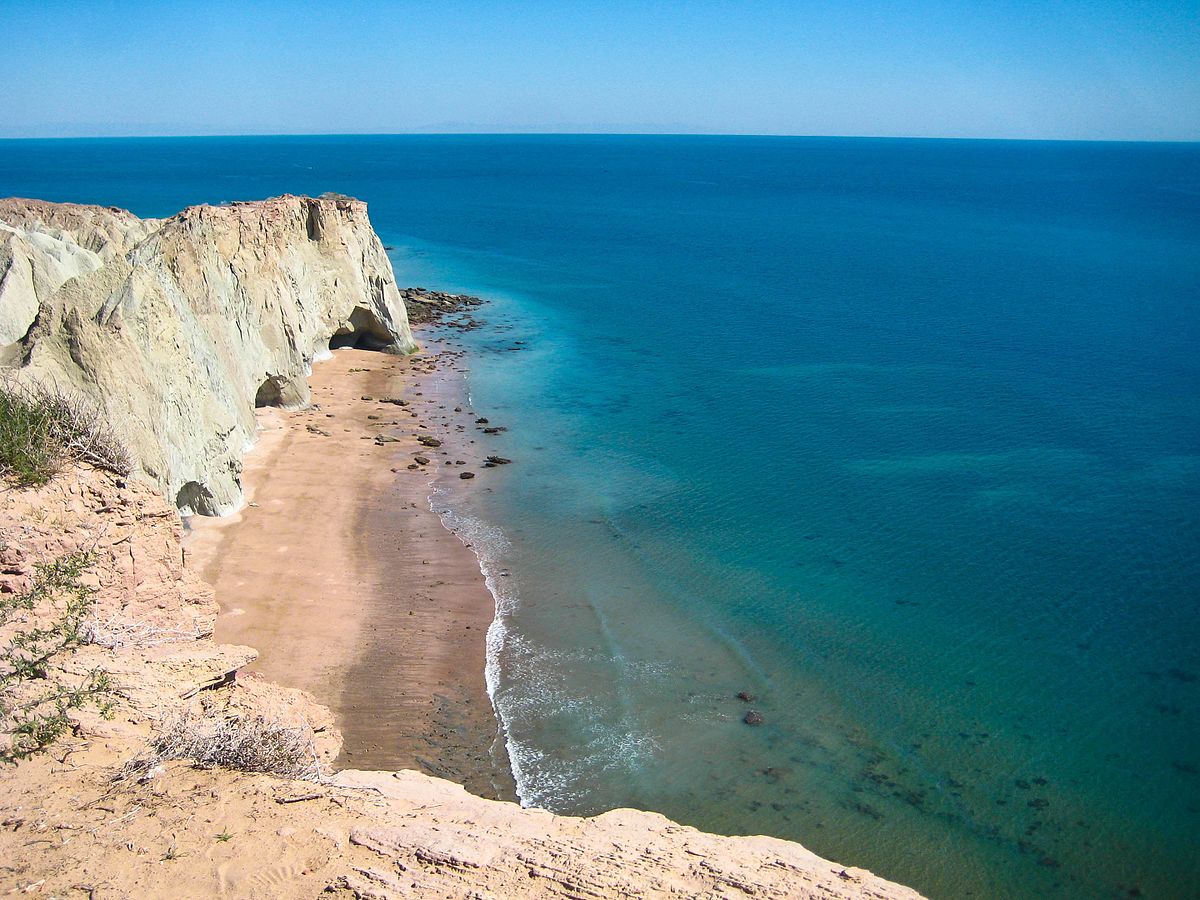
The world’s economy depends on two narrow strips of water you probably rarely think about. One is the Strait of Hormuz, the throat of the global oil trade. The other is the Bab el Mandeb, or the Gate of Tears. If both of these maritime chokepoints face simultaneous disruptions, your gas prices, grocery bills, and local supply chains won't just fluctuate. They’ll break.
Right now, the Bab el Mandeb Strait is in the red. Recent geopolitical tensions have turned this 18-mile-wide passage between Yemen and Djibouti into a high-stakes shooting gallery. While Hormuz captures headlines whenever Iran makes a move, the crisis at the Gate of Tears is arguably more volatile because it involves non-state actors with less to lose and more to prove.
The Gate of Tears is a global bottleneck
Most people don't realize that about 12% of total global trade passes through the Bab el Mandeb. It’s the southern gateway to the Suez Canal. If you’re shipping sneakers from Vietnam to Rotterdam or crude oil from Saudi Arabia to France, you’re likely passing through this tiny stretch of water.
The name "Gate of Tears" comes from an old Arab legend about the dangers of navigating its rocky currents, but today the tears are purely economic. When Houthi rebels in Yemen began targeting commercial vessels with drones and anti-ship missiles, they didn't just hit a few boats. They hit the nervous system of global commerce.
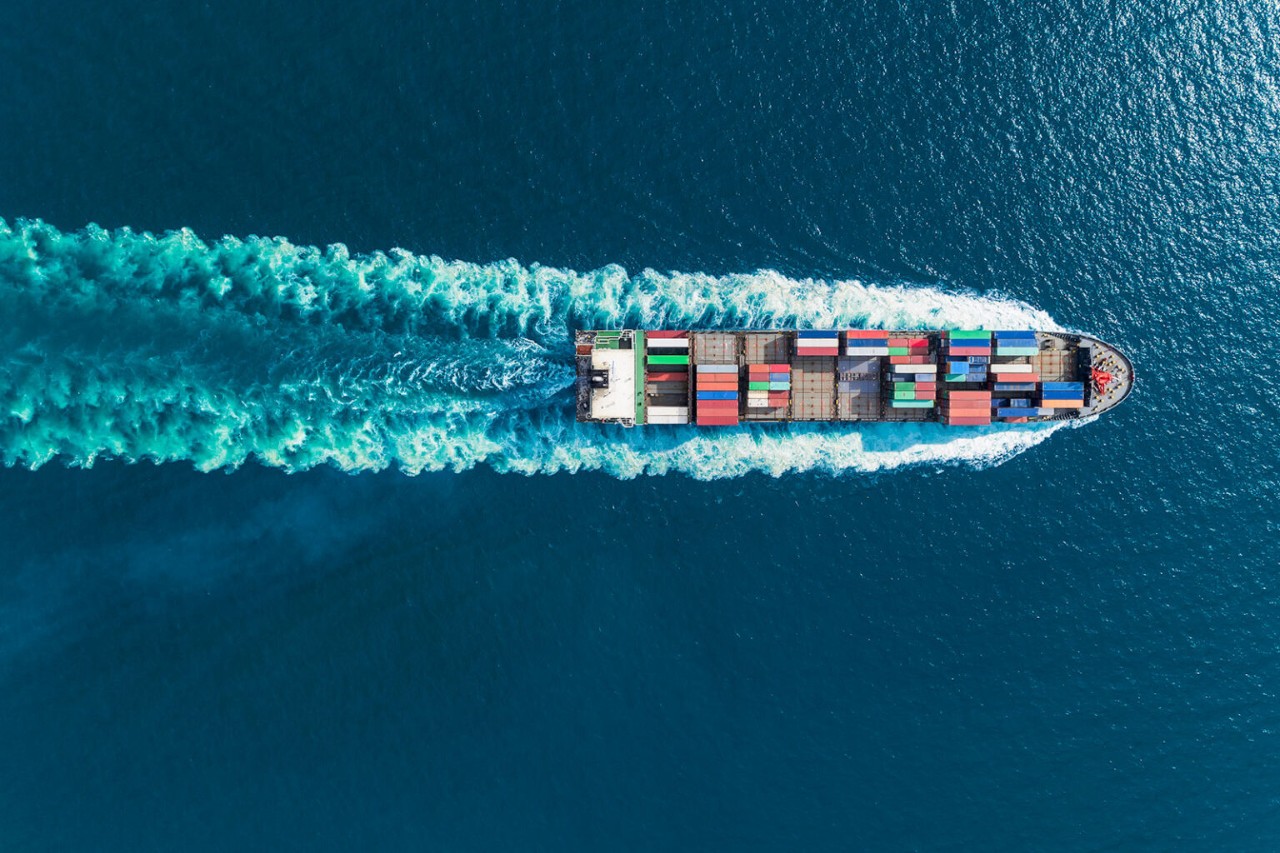
Shipping giants like Maersk and Hapag-Lloyd have already spent months rerouting vessels. Instead of taking the shortcut through the Red Sea, they’re going all the way around the Cape of Good Hope at the southern tip of Africa. It adds 10 to 14 days to the trip. It burns millions of dollars in extra fuel. It’s a massive logistical headache that trickles down to every consumer on the planet.
Why a double blockage changes everything
We’ve seen what happens when one chokepoint fails. Remember the Ever Given? That giant green ship got stuck in the Suez Canal for six days in 2021 and backed up billions in trade. Now, imagine a scenario where the Bab el Mandeb is too dangerous to cross and the Strait of Hormuz is closed due to a conflict with Iran.
Hormuz handles about 20% of the world's liquid petroleum. Bab el Mandeb handles the bulk of trade between Asia and Europe. If both are compromised, the world loses its primary energy artery and its primary manufacturing artery at the same time. You aren't just looking at more expensive iPads. You're looking at an energy crisis that makes the 1970s look like a minor inconvenience.
The interconnectedness is the real danger. If ships can’t get through the Red Sea, they go around Africa. But if Hormuz is also blocked, the oil those ships need to keep moving becomes scarce and wildly expensive. It’s a feedback loop of economic pain.
Logistics of a maritime nightmare
Security experts often talk about "freedom of navigation," but for a sea captain, it’s about insurance premiums. When a missile hits a tanker in the Bab el Mandeb, insurance rates for every other ship in the region skyrocket. Sometimes they become uninsurable.
- War risk premiums have surged by over 1,000% since the conflict intensified.
- Fuel costs increase by roughly $1 million per round trip when diverted around Africa.
- Empty containers end up in the wrong ports, causing shortages months later in places like Ohio or Berlin.
This isn't just about politics. It’s about the cold, hard math of moving stuff across an ocean. If the risk outweighs the profit, the ships stop coming.
The military reality on the water
The United States and its allies launched Operation Prosperity Guardian to protect these lanes. It sounds impressive. In reality, it’s an incredibly difficult game of whack-a-mole. You’re using multi-million dollar interceptor missiles to shoot down drones that cost about as much as a used Honda Civic.
The math of this lopsided warfare favors the insurgents. As long as they can launch a cheap drone from a mobile truck in the Yemeni desert, the Bab el Mandeb remains a "gray zone" where no commercial ship is truly safe.
Why Djibouti is the most important place you've never visited
Look at a map of the Bab el Mandeb. On one side is Yemen, currently a source of chaos. On the other is Djibouti. This tiny country has become the world’s most crowded military parking lot. The US, China, France, Japan, and Italy all have bases there.
Why? Because they know that whoever controls the view of the Gate of Tears controls the flow of the modern world. If Djibouti’s stability ever wavers, or if the conflict spills across the water, the last shred of security for Red Sea shipping vanishes.
Economic fallout beyond the gas pump
When the Bab el Mandeb stays in the red, it hits the poorest nations hardest. Egypt, for example, relies heavily on Suez Canal transit fees. When ships divert around Africa, Egypt loses billions in hard currency. This leads to inflation, social unrest, and a potential regional collapse that has nothing to do with missiles and everything to do with empty bank accounts.
Then there’s the environmental cost. Larger ships traveling longer distances at higher speeds to make up for lost time emit significantly more carbon. We're essentially burning the planet faster just to avoid a 18-mile stretch of water.
How to track the risk yourself
If you want to know how bad things are getting, don't just watch the news. Watch the data.
- Check the Shanghai Containerized Freight Index. If these numbers are climbing, your Christmas presents will be late and expensive.
- Monitor Brent Crude prices. Spikes usually precede or follow major escalations in the Strait of Hormuz.
- Look at vessel tracking maps. When you see a "hole" in the Red Sea where ships used to be, the Gate of Tears is officially closed for business.
The reality is that we’ve built a global economy on the assumption that these narrow straits will always be open. That assumption is dead. We are entering an era where maritime chokepoints are used as primary levers of geopolitical power.
Diversify your perspective on the supply chain. If you're a business owner, stop relying on "just-in-time" delivery from regions that require passage through the Bab el Mandeb. Start looking at regional sourcing or "near-shoring." The era of cheap, easy, and safe global shipping is on a temporary, and perhaps permanent, hiatus. Be ready for the next spike by building inventory buffers now, because the Gate of Tears isn't drying up anytime soon.