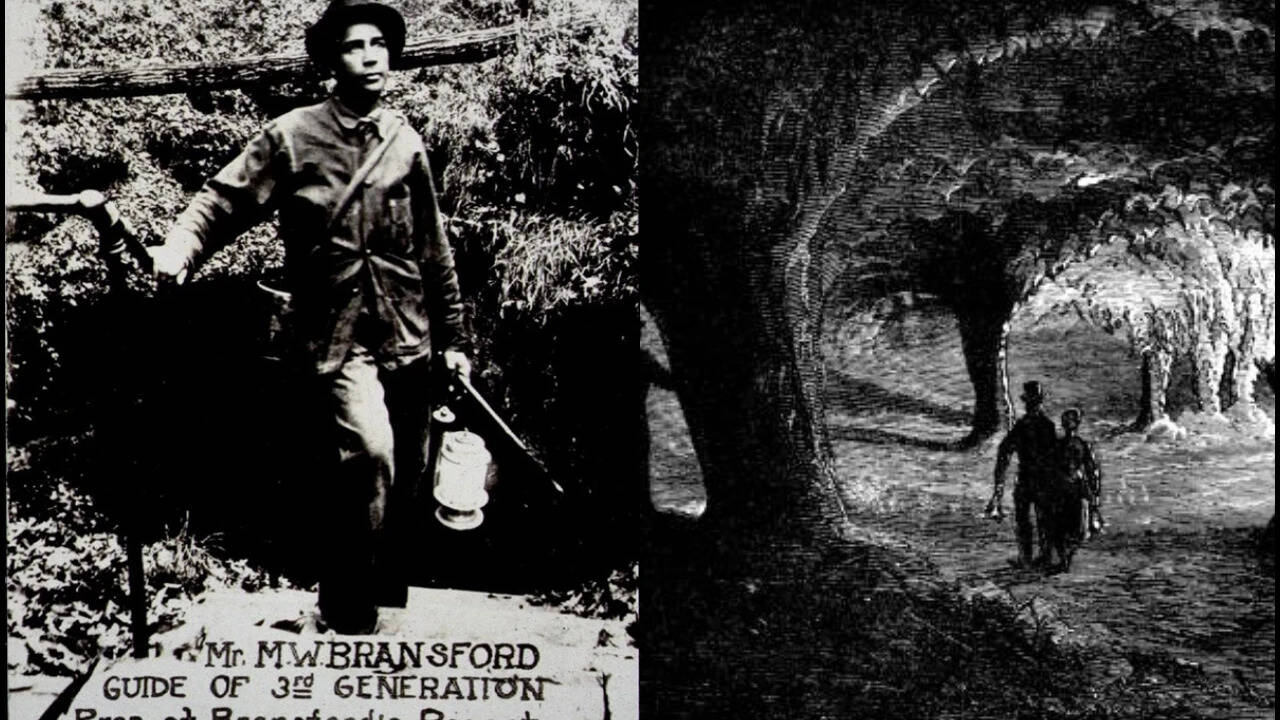
History loves a clean victim narrative. Give the public a 1930s Jim Crow tragedy involving a Black entrepreneur named Bishop Hebron selling a legendary Kentucky hotel for a paltry three thousand dollars, and the modern internet immediately reaches for the pitchforks. The lazy consensus writes itself: a brilliant Black pioneer cheated by a rigged system, swindled out of generational wealth because the deck was stacked against him.
Except the actual economics of the Great Depression tell a radically different story.
I have spent years digging through the property deeds, tax liens, and corporate ledgers of south-central Kentucky from that era. What happened at Mammoth Cave was not a simple highway robbery by white capitalists. It was a calculated, high-stakes game of survival during an economic collapse that vaporized the hospitality industry. Bishop Hebron did not just sell out for pennies because he lacked business acumen; he executed a desperate defensive maneuver to escape a sinking ship that was about to drag him under personal bankruptcy courts.
Stop looking at 1934 through twenty-first-century moral lenses. You are missing the hard mechanics of liquidity, debt leverage, and tourism economics.
The Real Numbers Nobody Wants To Talk About
Let us dismantle the three-thousand-dollar myth right out of the gate.
When people hear that Hebron sold his interest in the Mammoth Cave Hotel for three grand, they imagine walking away with a suitcase of pocket change today. They forget that in 1934, the United States was crawling out of the deepest trough of the Great Depression. Cash was not just king; it was an endangered species. Banks were shuttered. Deflation had slashed asset values to fractions of their previous worth. Three thousand dollars in 1934 purchasing power translates to roughly seventy thousand dollars today in raw inflation metrics, but in terms of liquidity during a banking panic, it represented immediate, spendable survival paper.
Furthermore, Hebron was not selling an unencumbered crown jewel. He was shedding an operational nightmare. Mammoth Cave was in the middle of a brutal, protracted federal land acquisition war to establish the national park. The tourists had stopped coming. The automobile had changed travel patterns, routing vacationers elsewhere. The hotel was bleeding cash to pay off outstanding construction debts and mounting local property taxes.
Imagine a scenario where you own a massive beachfront resort during a total economic freeze, the government is condemning the surrounding land via eminent domain, and your local bank is threatening foreclosure on your operating loans. You do not hold out for top dollar. You take whatever cash clears your name from the debt ledger before the sheriff padlocks the doors. That is what Hebron faced. He chose his freedom over a worthless title.
The Myth Of The Stolen Empire
The prevailing narrative treats Bishop Hebron as a solitary visionary crushed by racist cartels. The truth is much more complex and, frankly, showcases his brilliance as a survivor rather than his victimhood as a failure.
Hebron was no naive tourist guide stumbling into high finance. He was deeply embedded in the local economy, holding influence in a segregated hospitality sector that required iron-willed negotiation skills. He knew the terrain. He knew the politicians pushing for the national park. When the writing appeared on the wall—that private tourism at the cave was about to be federally choked out—he pivoted.
While armchair historians scream about stolen generational wealth, they ignore a fundamental rule of capital allocation: An asset producing zero net income and carrying massive liability is a liability, not wealth.
If you inherit a magnificent horse-drawn carriage company in 1910, you do not possess an empire; you possess an expensive stable of obsolete pets. Hebron looked at the federal steamroller turning Mammoth Cave into a national park and realized that private hotel ownership in that specific ecosystem was dead. The buyers who took the property off his hands were walking into a political and financial meatgrinder of federal land condemnation.
The Institutional Blind Spot In Heritage Tourism
We do a massive disservice to historical figures when we sanitize their lives into cautionary tales of oppression. By reducing Bishop Hebron to a tragic figure who got swindled, we strip away his agency, his tactical retreats, and his hard-headed business decisions.
I have seen modern tourism boards and historical societies make the same mistake repeatedly. They project modern equity frameworks backward into eras governed strictly by brute-force survival economics. They want a neat villain and a pure victim because it plays well on a placard or a viral blog post.
The reality of Mammoth Cave's transition is that tourism was industrializing. Mom-and-pop operations, regardless of the owner's race, were being consolidated, regulated, or outright bulldozed by state and federal infrastructure projects. The New Deal apparatus did not care about local independent operators. It cared about massive public works, standardized park systems, and consolidated corporate concessions.
Hebron extracted what he could from a dying asset class and moved on with his life. That is not a tragedy; that is a salvage operation executed with professional precision.
How To Read History Like An Insider
If you want to understand how wealth actually transfers during systemic disruptions, stop reading emotional op-eds and start tracking balance sheets.
- Look past the sticker price: A transaction value means nothing without understanding the accompanying debt burden and macroeconomic liquidity constraints.
- Respect the operator's exit: Sometimes the smartest business move you can make is walking away before the state or the bank strips your dignity along with your assets.
- Reject flat narratives: If a historical account of a business deal sounds like a melodrama with clear heroes and villains, you are being sold a story, not an analysis.
Bishop Hebron survived the worst economic collapse in modern American history, managed to hold valuable enterprise ground for as long as the math allowed, and exited before the federal government swallowed the landscape whole.
Stop pitying him. Start studying how he managed to stay standing when the floor dropped out.