Every monsoon season, the media reaches for a predictable script. A tragedy unfolds in the Himalayas, a tourist vanishes, and a heartbroken spouse delivers a final, agonizing text message to the headlines. We consume these narratives as devastating human interest stories, weeping over screens from thousands of miles away.
It is time to stop buying the emotional deflection.
When a tourist disappears in Nepal because floodwaters sweep away roads and makeshift bridges, the primary narrative shouldn't be about poetic last words. It should be about systemic negligence, corrupt local bureaucracy, and an adventure tourism industry that treats human life as collateral damage for foreign currency.
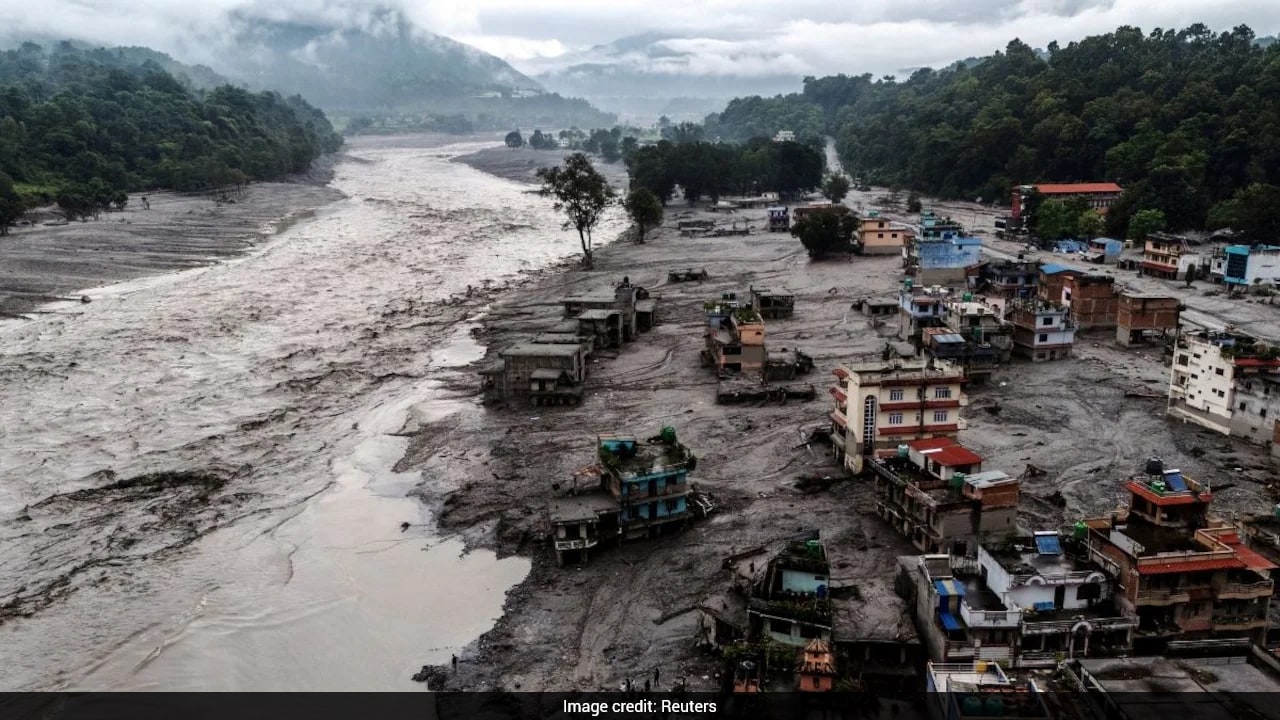
Let us look at the standard framing of these disasters. The lazy consensus manufactured by mainstream reporting treats flash floods and landslides as pure acts of God. Mother Nature throws a tantrum, the mountains crumble, and unfortunate travelers happen to be in the wrong place at the wrong time. This framing protects everyone with actual accountability. It absolves tour operators who refuse to cancel departures during red-alert weather warnings. It frees regional governments from liability for failing to invest drainage revenue into functional civil engineering.
I have spent decades navigating Himalayan passes, managing expeditions, and watching foreign operators cut corners to maximize profit margins. I have seen companies ignore meteorological warnings that were blindingly obvious to anyone with a basic grasp of regional climatology.
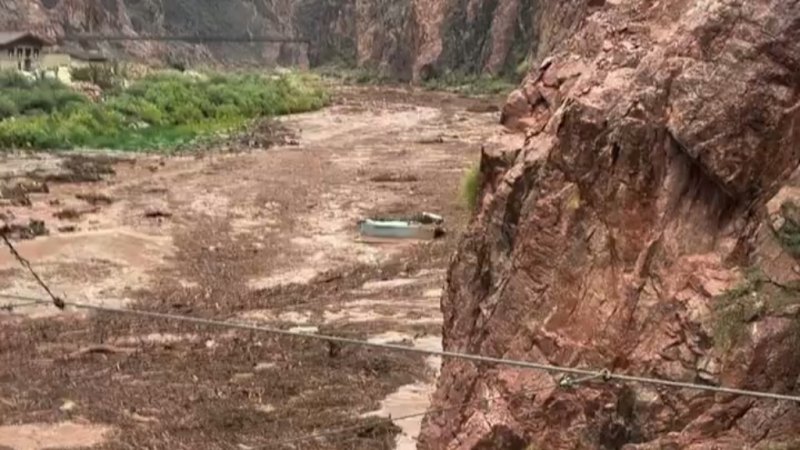
The harsh reality is that Nepal’s adventure tourism sector operates on an alarming deficit of accountability. When monsoon rains swell rivers into destructive torrents, standard operating procedures should dictate immediate groundings, route closures, and mass evacuations. Instead, agencies often push clients forward to avoid refund friction. They rely on the sheer luck of probability, crossing their fingers that hikers make it across rickety suspension bridges before the cables give way.
When that luck runs out, the PR machine pivots instantly to sentimentality.
Focusing exclusively on the romance of a tragic final text message shifts the spotlight away from institutional failure. It transforms a preventable structural disaster into a cosmic mystery of fate. A husband telling his wife "I love you" before being swept into a swollen river is undeniably heartbreaking. But framing that moment as an inevitable tragedy obscures the fact that the bridge should never have been open, the permit should never have been issued, and the trek should have been canceled three days prior.
The Myth of Prudent Risk
Adventure travelers love to lean on the philosophy of calculated risk. They sign waivers acknowledging that the mountains are wild and unpredictable. This romanticized notion of wilderness danger has been weaponized by commercial operators.
Risk management in the high mountains is not a roll of the dice. It is a precise science governed by weather modeling, infrastructure maintenance, and timely decision-making. When a flash flood tears through a valley, it is rarely because the rain was unpredicted. Monsoon precipitation maps in South Asia are heavily studied. Meteorologists know precisely when rain thresholds cross into lethal territory.
Yet, local councils and international booking agencies frequently ignore these warnings because the economic cost of cancellation is immediate, while the cost of a lost life is externalized onto the victim's family and sensationalist journalists.
Imagine a scenario where every trekking agency operating in the Annapurna or Everest regions faced mandatory, automated shutdowns the moment rainfall metrics breached safety thresholds, backed by criminal liability for executives. The economic fallout would be brutal for a season. But lives would be saved. Instead, we maintain a system that incentivizes gambling with human lives under the guise of an authentic wilderness experience.
Dismantling the Bureaucratic Blind Spot
Let us address the structural failure of local rescue infrastructure. When a tourist goes missing in a Himalayan flood, the immediate response is plagued by delays, uncoordinated communications, and a lack of standardized rapid-deployment gear.
The search and rescue ecosystem in Nepal is heavily commercialized. It relies on a patchwork of private helicopter companies whose primary incentive is often verifying insurance payouts rather than executing rapid, life-saving extractions. Victims wait hours—sometimes days—while paperwork clears in Kathmandu, while floodwaters erase any trace of a campsite or trail.
Tourists are told that buying comprehensive insurance covers them in an emergency. This is a comforting fiction. Insurance does not build bridges that can withstand seasonal runoff. Insurance does not force local officials to clear blocked drainage channels. Insurance simply pays for a helicopter to fly over a muddy grave after the fact.
If you are planning a trek in South Asia during volatile weather windows, you need to abandon the comforting delusion that local operators or foreign booking platforms have your safety prioritized above their bottom line.
The Alternative Protocol
Stop trusting standard travel advisories that label entire regions as merely "cautionary." Learn to read hydrological data yourself.
Before booking a trek, interrogate your operator on their specific emergency evacuation protocols during a 100-year flood event. If they talk vaguely about mountain resilience or hand-wave your concerns with talk of adventure, walk away. Demand to see their historical cancellation rates. An agency that has never canceled a trek due to weather is not brave; they are reckless.
Furthermore, stop accepting the media's framing of these events as unpredictable tragedies. Hold the infrastructure accountable. Demand to know why drainage systems failed, why roads lacked basic reinforcement, and why commercial groups were permitted onto trails under active flood alerts.
Romance belongs in poetry, not in risk assessment. When we reduce systemic infrastructure failure and corporate negligence to a tear-jerking headline about final text messages, we ensure that the next flood will sweep away the next unsuspecting traveler. Stop mourning the tragedy while ignoring the levers that caused it.