Keir Starmer is currently moving the United Kingdom toward a military and diplomatic footing not seen since the height of the Cold War. While the public remains focused on domestic budget shortfalls and the grinding gears of the NHS, the Prime Minister has quietly shifted the machinery of Whitehall into a state of "constant readiness" regarding Iran and its regional proxies. This isn't just about standard emergency planning. It is a fundamental recalibration of British foreign policy that prioritizes rapid military response and maritime security over the cautious, consultative approach of the previous decade.
The core of this strategy involves a three-pronged contingency plan designed to protect British interests if the current shadow war between Israel and Iran erupts into a total regional conflagration. Starmer’s government is preparing for a massive evacuation of British nationals from Lebanon, the hardening of Mediterranean naval assets, and a renewed commitment to Operation Prosperity Guardian in the Red Sea. He is betting that by projecting strength now, he can prevent a total collapse of regional stability that would inevitably spike global oil prices and wreck his domestic economic agenda.
The Lebanon Evacuation Nightmare
Whitehall’s most immediate anxiety is the fate of roughly 16,000 British citizens currently in Lebanon. If full-scale war breaks out between Israel and Hezbollah, the Beirut airport will likely close within hours. We have seen this script before. In 2006, the evacuation was a logistical tangle that tested the limits of the Royal Navy. This time, Starmer has authorized the pre-positioning of hundreds of troops at RAF Akrotiri in Cyprus.
The plan is not merely a "wait and see" exercise. Military sources suggest that the RFA Mounts Bay and HMS Duncan are being maintained in a state of high readiness to facilitate sea-based extraction. The logistics are staggering. Moving thousands of people across a contested sea lane while under the threat of long-range missile fire requires a level of coordination with the Republic of Cyprus and other NATO allies that is currently being stress-tested through daily tabletop exercises in the Cabinet Office Briefing Rooms (COBR).
Hardening the Mediterranean Shield
Beyond the humanitarian concern lies a deeper strategic reality. The UK is reinforcing its "Permanent Joint Operating Bases" in the Mediterranean to serve as a buffer. Starmer’s inner circle understands that any significant Iranian escalation would likely involve a surge in drone and missile activity across the Levant.
The RAF's Typhoon squadrons based in Cyprus are no longer just conducting routine patrols. They are part of a coordinated air defense umbrella designed to intercept Iranian-made munitions before they reach their targets. This isn't a theoretical exercise. In April 2024, British jets were instrumental in downing a wave of Iranian drones headed toward Israel. Starmer is doubling down on this role, ensuring that the UK remains the primary European partner in the U.S.-led defense architecture.
The Fiscal Cost of Readiness
Maintaining this level of military posture is expensive. At a time when the Treasury is demanding cuts across almost every department, the Ministry of Defence is burning through its contingency funds at an alarming rate. Fuel costs for constant maritime patrols and the soaring price of interceptor missiles—often costing millions per unit—are creating a quiet friction between Number 10 and the Chancellor.
However, the Prime Minister’s logic is cold and calculated. The cost of a few hundred interceptors is a pittance compared to the economic carnage of a $150-a-barrel oil price shock. If the Strait of Hormuz is closed or if Mediterranean shipping lanes become too dangerous for commercial vessels, the UK’s fragile economic recovery would end instantly.
The Red Sea Chokepoint
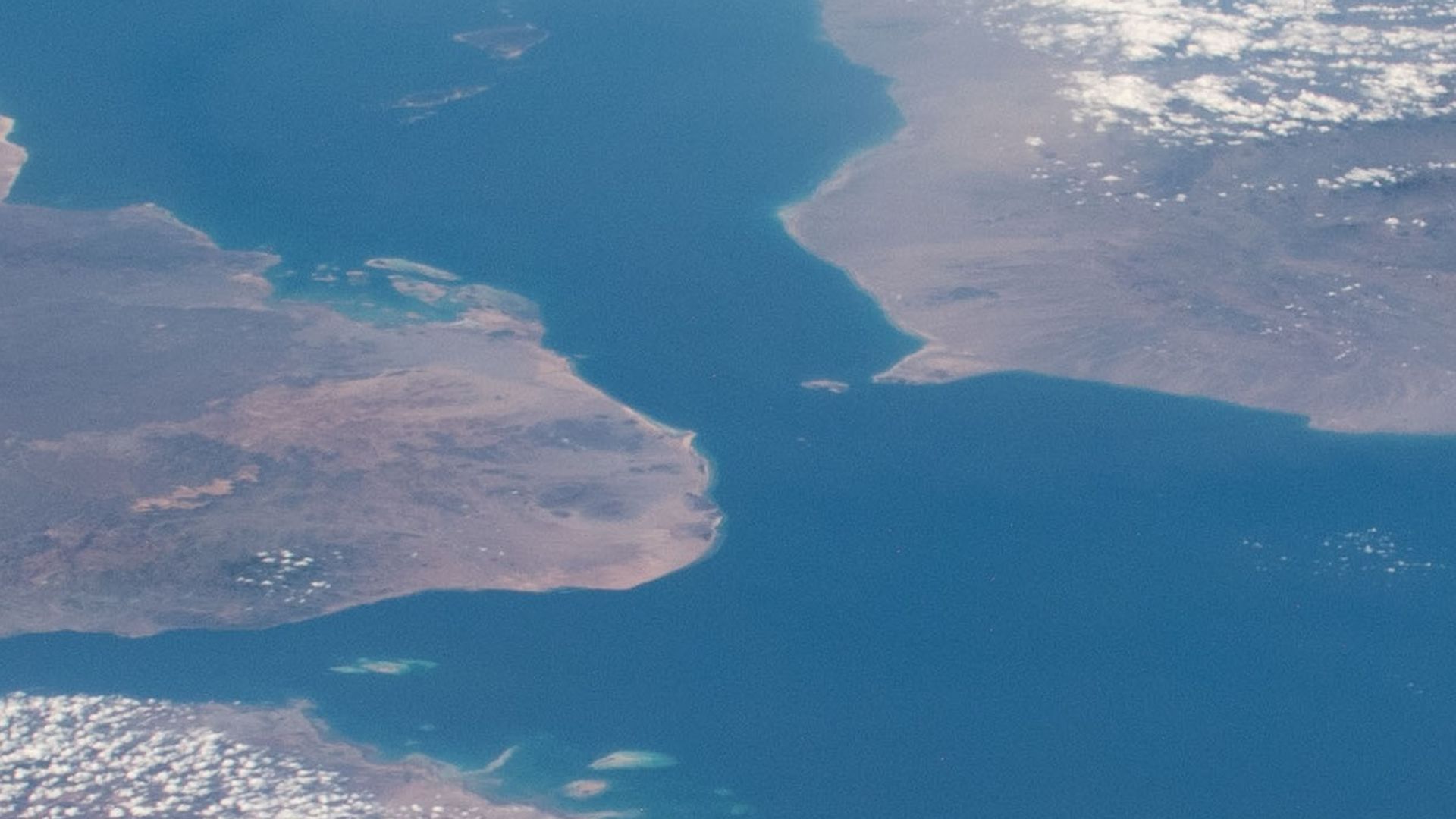
While the Mediterranean is the immediate shield, the Red Sea remains the most vulnerable artery of the British economy. The Houthi rebels in Yemen, acting with Iranian intelligence and weaponry, have effectively held global shipping hostage for months. Starmer has moved away from the "limited strikes" philosophy of his predecessors toward a more sustained commitment to maritime security.
The Royal Navy’s presence in the region is being scaled to ensure that British-linked vessels have a permanent escort. This is a massive drain on a fleet that is already overstretched. By prioritizing these contingencies, Starmer is signaling to Tehran that the UK will not be intimidated into retreating from its global trade commitments. This is "Global Britain" stripped of its post-Brexit slogans and replaced with a grim, pragmatic military reality.
The Diplomatic Tightrope with Tehran
Contingency planning is not just about ships and planes; it is about the backchannels that prevent their use. Foreign Office officials are engaged in a delicate dance, attempting to maintain a line of communication with the Iranian government while simultaneously readying the hammers of war.
The UK’s position is uniquely difficult. Unlike the United States, Britain maintains a formal diplomatic presence in Tehran, albeit a strained one. Starmer is using this channel to convey a singular message: any attack on British assets or citizens will trigger a response that is neither proportionate nor limited. It is a bluff-calling strategy.
The Risk of Miscalculation
History is littered with "contingency plans" that accidentally triggered the very wars they were meant to prevent. By increasing the UK’s military footprint in Cyprus and the Red Sea, Starmer risks being drawn into a conflict by the actions of a rogue commander or a technical malfunction.
The "contingencies" are so tightly wound that the window for diplomacy is shrinking. If an Iranian drone accidentally hits a British destroyer, the transition from "readiness" to "combat" will happen in minutes, not days. The Prime Minister is operating on the assumption that the Iranians are rational actors who will be deterred by a visible show of force. This is a massive assumption in a region currently governed by religious fervor and existential dread.
Intelligence Sharing and the Five Eyes Factor
A critical, yet often overlooked, component of Starmer’s charge is the revitalization of the Five Eyes intelligence sharing regarding Iranian movements. British GCHQ assets are working in lockstep with the NSA to track the movement of Iranian missile batteries and the communications of IRGC commanders.
This intelligence allows the UK to move its assets before an escalation occurs. If we see a sudden movement of tanker-borne missiles in the Persian Gulf, the Typhoons in Cyprus are in the air before the first launch. This preemptive positioning is what Starmer means when he talks about "taking charge." It is a shift from reactive politics to proactive defense.
The Domestic Fallout of Foreign Focus
The British public is historically wary of Middle Eastern entanglements. Starmer’s predecessor, Tony Blair, saw his legacy shredded by the Iraq War. Starmer is keenly aware of this ghost. He is framing these contingencies as a matter of national security and economic stability rather than a crusade for democracy.
If these plans are never used, he will be accused of warmongering and wasting taxpayer money. If they are used and fail, he faces a humanitarian and political catastrophe. There is no middle ground in the Eastern Mediterranean.
The machinery of the British state is now fully geared toward a confrontation that everyone hopes will never come. Every RFA vessel deployed, every troop transport landed in Akrotiri, and every diplomatic cable sent to Tehran is a brick in a wall Starmer is building to keep the chaos of the Middle East from reaching the shores of the United Kingdom. He has placed his bets, moved his pieces, and now must wait to see if the deterrence holds or if the contingencies become his reality.
Prepare for a long, expensive, and potentially violent winter of standby.