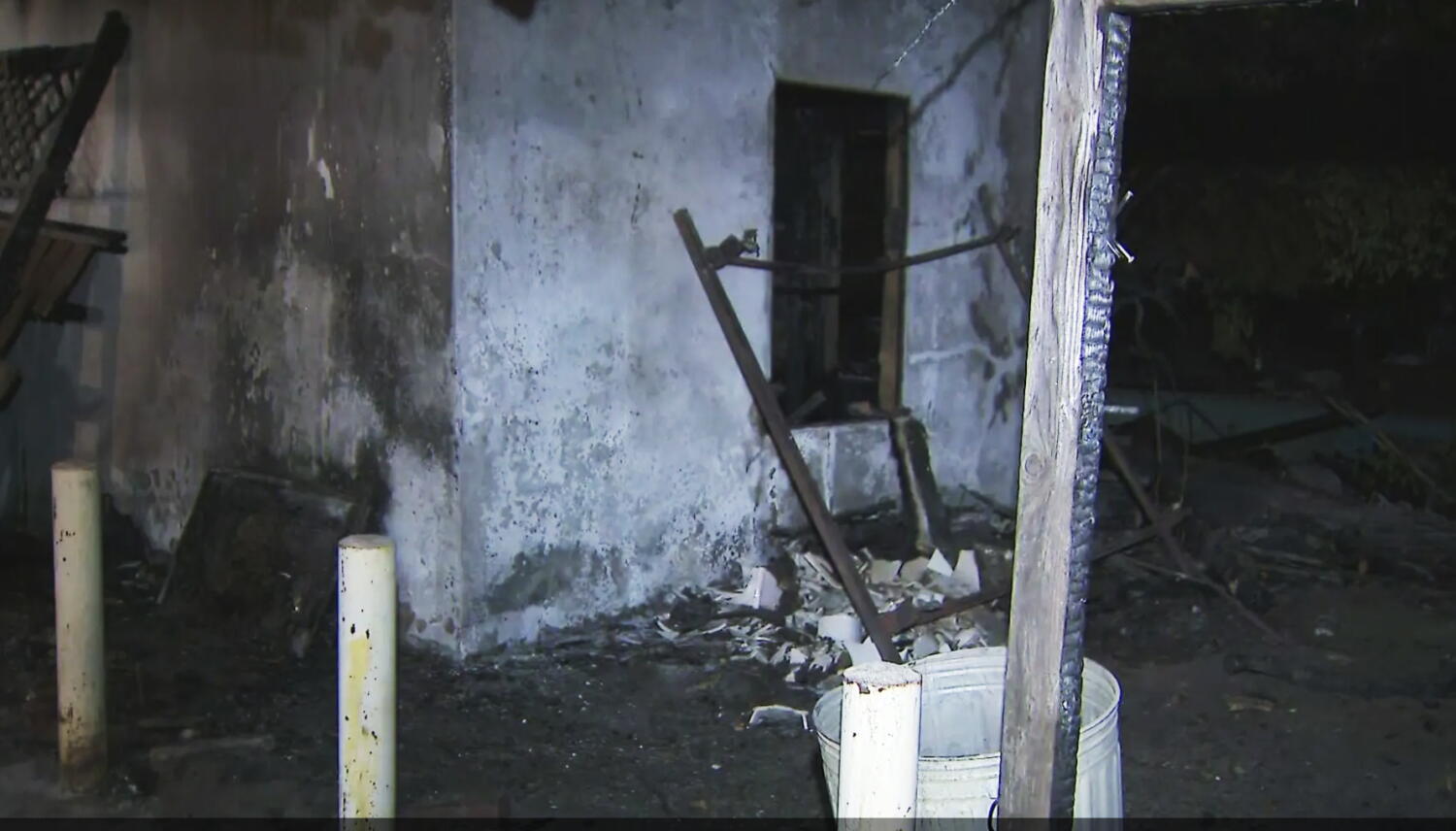
The sky over Studio City turned an bruised, sickly amber just past midnight.
Ash drifted down like wet confetti onto the windshields of parked sedans along Ventura Boulevard, settling into the cracks of neglected pavement and dusting the hoods of cars whose owners were fast asleep, dreaming of quiet California nights. For months, the empty lot at the corner had been nothing more than an eyesore behind a chain-link fence—a rotting skeleton of a commercial building where graffiti artists practiced their strokes and nocturnal shadows gathered away from the amber streetlights.
Then came the orange roar.
By the time the sirens began to wail, tearing through the cool valley air, the flames were already licking high above the neighboring rooftops. Residents spilled out onto their porches in pajamas and bare feet, clutching pets, shielding children’s eyes from the glare, and tasting the bitter, chemical-heavy smog coating the back of their throats.
It was not just a fire. It was an inevitability.
Everyone in the neighborhood knew that hollowed-out shell was a tinderbox waiting for a spark. They had called the city. They had filed the complaints. They had watched the paperwork bounce from desk to desk like a stray pinball, trapped in a bureaucratic labyrinth that prioritizes procedural caution over urgent intervention.
And as the firefighters fought back the blaze, sweating through heavy gear while water hammered the charred timbers, a familiar battle erupted miles away in the halls of local governance.
The smoke had barely cleared before the political fallout crystallized.
Within hours, the incident transformed into the latest proxy war between Councilmember Nithya Raman and her critics, most notably framed by the ongoing clashes with former opponent and community voice Isaac Bass. For years, the debate over how to handle neglected properties, vacant lots, and the broader housing and safety crisis in the district has been defined by a bitter ideological trench warfare.
On one side stands an approach rooted in systemic reform, tenant protections, and municipal patience—arguing that sweeping changes require deliberate legal frameworks. On the other side stands a coalition demanding immediate, uncompromising enforcement, faster condemnations, and aggressive accountability for property owners who let public hazards fester in our backyards.
Fire does not care about political platforms. Fire does not wait for a city council vote.
When a vacant structure becomes a magnet for transient encampments, illicit activity, and accumulated debris, it poses a direct, immediate threat to the families living next door. To understand the fury of the residents watching their neighborhood burn, you have to look past the press releases and the dueling Twitter statements. You have to stand on that sidewalk at two in the morning, smelling the scorched drywall and melting plastic, feeling the absolute helplessness of watching a preventable disaster unfold because the gears of local government turned too slowly.
Consider what happens next.
The flames are extinguished. The media vans arrive, broadcasting live updates to morning news programs. Politicians issue carefully worded statements expressing concern for the community and promising an investigation into why the property was allowed to deteriorate to the point of combustion.
And then, the news cycle moves on.
The residents, however, do not move on. They are left sweeping the gray grit off their front steps. They are left wondering why it took a three-alarm fire—something that could have easily spread to occupied family homes during a Santa Ana wind event—to finally force the city's hand regarding a known hazard.
This tension between Raman and Bass is not merely a localized political rivalry. It is a symptom of a larger urban crisis playing out across modern American cities. How do we balance property rights with public safety? How do we hold absentee landlords accountable without getting bogged down in endless litigation? And crucially, how do we restore trust to neighborhoods that feel fundamentally unprotected by the systems designed to serve them?
The answers are rarely simple, but the urgency is absolute.
When governance becomes a spectator sport played out in council chambers while neighborhoods rot from the inside out, the social contract fractures. People stop believing that a phone call to City Hall will yield results. They stop expecting their streets to be safe, clean, and monitored. Instead, they wait for the next siren, the next plume of smoke, the next avoidable crisis.
The embers in Studio City continued to smolder long after dawn broke over the San Fernando Valley, casting a long, gray shadow across the asphalt.
The politicians will debate. The consultants will draft new memos. The council meetings will grow heated, voices rising and falling beneath the fluorescent lights of City Hall while cameras capture every micro-expression of outrage and defense.
Back on the block, the chain-link fence stands a little more warped than it did yesterday. The smell of ash lingers in the upholstery of passing cars. And somewhere down the street, a homeowner looks up at the clear morning sky, wondering how long it will be before the wind shifts again.