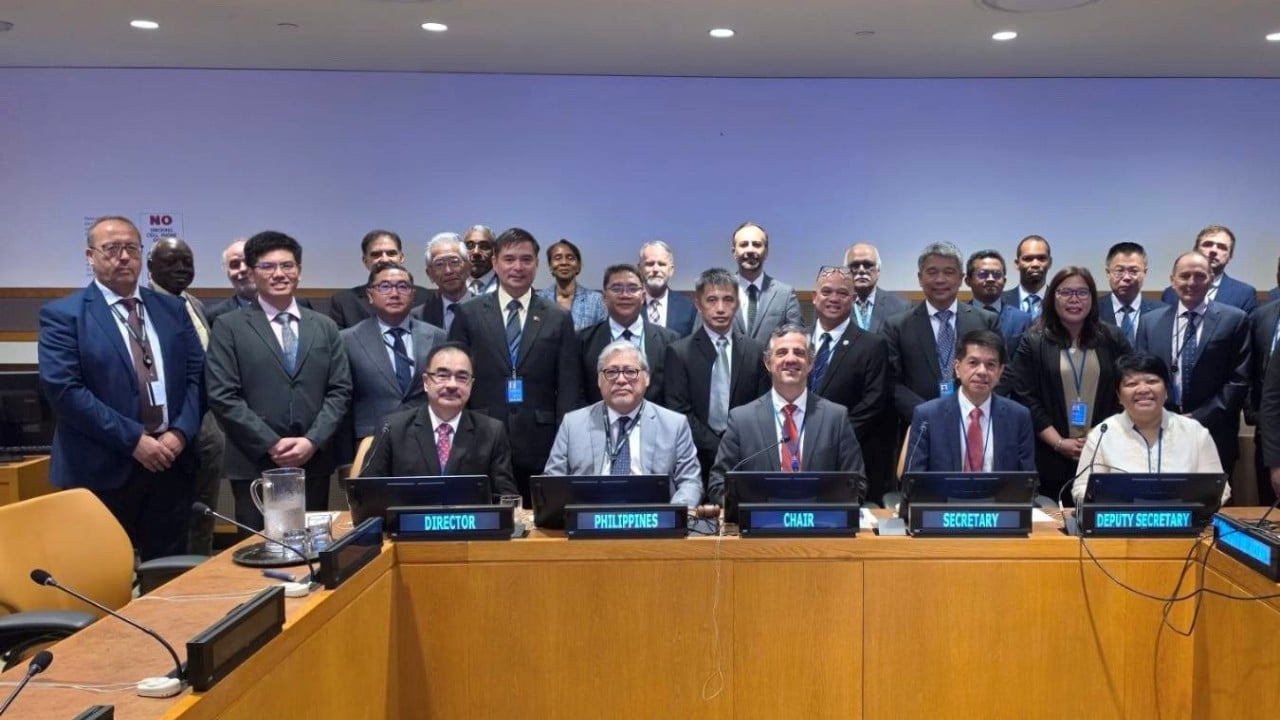
The quiet filing of an extended continental shelf submission at the United Nations is rattling diplomatic corridors from Manila to Beijing. The Philippines is asserting sovereign rights over the seabed and subsoil beyond its standard two-hundred-nautical-mile exclusive economic zone under Article 76 of the United Nations Convention on the Law of the Sea. This legal maneuvers campaign directly targets the underwater wealth of the West Palawan region. Analysts often miss how legal technicalities regarding the ocean floor intersect with the high-stakes negotiations for a regional Code of Conduct. The friction is not merely procedural. It exposes a fundamental clash between Manila's reliance on international law and Beijing's preference for bilateral coercion.
For decades, diplomats have attempted to corral Association of Southeast Asian Nations member states and China into a binding code to govern the contested waterway. Those talks have largely remained trapped in diplomatic theater. Beijing prefers non-binding declarations that preserve its capacity for gray-zone harassment. Manila, holding the rotating regional chairmanship, has tried to inject urgency into the process. The push for a final text faces an uphill battle against competing priorities, maritime standoffs, and differing interpretations of what stability actually requires. For a closer look into similar topics, we recommend: this related article.
The Underwater Dimension
Most observers focus exclusively on surface disputes involving coast guard ships, water cannons, and disputed reefs. The seabed tells a different story. Under international maritime law, coastal states possess exclusive sovereign rights over the natural resources resting upon or beneath their continental shelves. This includes oil, natural gas, and sedentary living organisms down to a depth of three hundred and fifty nautical miles from baseline shores.
Manila's submission to the UN Commission on the Limits of the Continental Shelf relies heavily on the landmark 2016 arbitral tribunal ruling. That international decision largely invalidated Beijing's expansive nine-dash line. By anchoring its seabed claims in scientific data compiled over fifteen years, the Philippine government is forcing international bodies to evaluate physical reality against geopolitical bluster. China immediately criticized the submission as an infringement on its sovereign rights. Beijing rejects the validity of the tribunal ruling entirely. For further context on the matter, in-depth coverage is available at TIME.
This creates an immediate friction point for regional code talks. If the code of conduct fails to recognize sovereign rights derived from established international legal frameworks, it becomes an empty shell. Negotiators in Manila face a stark choice. They can accept a watered-down agreement that appeases dominant powers or hold the line for a text anchored strictly in UNCLOS principles.
Beyond Surface-Level Optics
The urgency behind Manila's diplomatic push stems from tangible security fears. Regional supply chains remain vulnerable to sudden disruptions. Recent shipping blockades and geopolitical choke points in other parts of the world have concentrated minds across Asia. Leaders recognize that an unmanaged maritime dispute can cascade into global economic paralysis within days.
Yet, rushing an agreement to meet arbitrary calendar milestones carries immense dangers. A compromised code that ignores illegal island-building or omits enforcement mechanisms offers zero security. Smaller claimant states would simply be handing dominant actors a diplomatic shield while maritime encroachment continues unabated.
The strategy adopted by Philippine foreign policy architects relies on parallel tracks. They are pressing forward with international legal submissions while simultaneously demanding that regional dialogue partners commit to legally binding behavioral rules. This dual approach increases diplomatic friction. Beijing views these synchronized legal filings as coordinated provocation designed to lock in unfavorable legal precedents.
The Reality of Regional Compromise
True consensus remains elusive because the core definitions of self-restraint and geographical scope are fundamentally contested. Beijing wants bilateral management without external legal arbitration. ASEAN members, despite internal divisions, find themselves pressured to present a united front against unilateral resource extraction.
The friction between seabed assertions and code negotiations highlights the limits of multilateral diplomacy when one major power acts outside established legal norms. Manila's gamble is that institutionalizing these claims through formal UN channels will create long-term defensive barriers that short-term political pressure cannot easily erode.
The upcoming high-level summits will test whether regional resilience can outlast procedural stalling. The outcome will dictate the security architecture of critical trade routes for generations.