A lone drone penetrated the outer defensive perimeter of the United Arab Emirates’ Barakah Nuclear Power Plant over the weekend, striking an electrical generator and igniting a brief but highly symbolic fire. While emergency backup systems kicked in and the International Atomic Energy Agency confirmed that radiological containment remains completely uncompromised, the strike shatters a long-standing geopolitical taboo. This was not a random act of regional spillover. It was a calculated, precision-engineered warning shot aimed directly at the heart of the Gulf’s energy transition.
By targeting the $20 billion facility, the attackers bypassed traditional economic targets to demonstrate a terrifying reality: the Arab world’s premier civilian nuclear program is vulnerable. The strike occurred despite a fragile, five-week-old ceasefire between Washington and Tehran, proving that the underlying regional architecture remains profoundly volatile. The true objective was not to cause a meltdown, but to show that a meltdown is entirely within reach.
The Geography of a Warning Shot
Barakah sits in the far western desert of Abu Dhabi, isolated by design. Its remote location near the Saudi border was chosen to maximize safety and minimize the footprint of any potential industrial accident. This geographic isolation makes the intrusion of three hostile unmanned aerial vehicles—two of which were intercepted by Emirati air defenses—profoundly significant.
The single drone that breached the perimeter hit a critical auxiliary component, forcing emergency diesel generators to assume the power load for Unit 3. To strike a target this isolated requires sophisticated guidance, precise intelligence, and a deliberate political decision to cross a red line.
Initial reports from the UAE Ministry of Defense indicate the drones entered from the western border. This specific trajectory introduces a layer of deniability, a hallmark of modern asymmetric warfare. Whether the hardware originated from Iranian-backed militias in Iraq, specialized units operating within the Arabian Peninsula, or direct long-range launching points, the strategic signature belongs to Tehran.
Throughout the eleven weeks of the broader war that erupted on February 28, Iran has launched thousands of missiles and drones toward Gulf states. The timing of this specific operation, however, reveals a deeper diplomatic calculation.
Weaponizing the Architecture of Peace
The Barakah facility is the crown jewel of Middle Eastern civilian nuclear infrastructure. Operating under the stringent guidelines of the US-UAE 123 Agreement, Abu Dhabi explicitly forfeited the right to enrich uranium or reprocess spent fuel domestically. This arrangement was widely heralded by Western non-proliferation experts as the gold standard for developing nuclear power in volatile regions.
The weekend strike deliberately turned that gold standard into a liability.
Unlike conventional gas or oil infrastructure, which can be repaired in weeks or months, nuclear facilities operate under hyper-sensitive international oversight. A fire outside the inner perimeter does not threaten a containment dome, but it instantly sends shockwaves through global insurance and financial markets. Consider the broader economic context:
| Metric | Pre-Conflict Baseline | Current Status |
|---|---|---|
| Hormuz Shipping Premiums | 0.15% to 0.25% of hull value | Up to 10% of hull value |
| Barakah Power Output Contribution | 25% of UAE domestic grid | Maintained via emergency backup protocols |
| Regional Energy Repair Timelines | Weeks to months | Expected to drag into next year for major gas hubs |
By demonstrating that it can touch a Western-vetted, South Korean-built nuclear reactor, the attacking entity alters the risk calculus for every multinational corporation operating in the Gulf. The message to Abu Dhabi is clear: your compliance with international norms will not shield your critical infrastructure if the broader regional architecture collapses.
The Stalled Diplomacy of the Strait
The strike on Barakah cannot be detached from the maritime deadlock in the Strait of Hormuz. While a nominal truce was reached on April 8, the diplomatic track between the United States and Iran has completely frozen.
Washington continues to demand the total dismantlement of Iran's nuclear enrichment capabilities and an immediate cessation of its maritime interdictions. Tehran counter-demands immediate relief from the U.S. naval blockade, war reparations, and security guarantees that extend across its entire network of regional proxies.
When the Trump administration briefly attempted a unilateral naval mission to force open the Strait of Hormuz earlier this month, Iran responded with an immediate barrage of infrastructure strikes, forcing a pause to the transit operation within forty-eight hours. The Barakah incursion functions as the exclamation point to that tactical victory.
Simultaneously, Tehran has launched "Hormuz Safe," a state-backed digital maritime insurance platform that accepts cryptocurrency. It is a brilliant, ruthless monetization of geographical leverage. By driving commercial war-risk premiums to historic highs through targeted military operations, Iran is forcing global shipping companies to choose between financial ruin or using Tehran’s proprietary, sanctions-busting insurance mechanism to navigate the Gulf.
A Dangerous Trend in Modern Warfare
The breach at Barakah marks the second time in recent history that an active nuclear facility has been utilized as a pawn in a conventional conflict. The precedent was established in Ukraine at the Zaporizhzhia plant, and the Middle East is now adopting the same dangerous playbook.
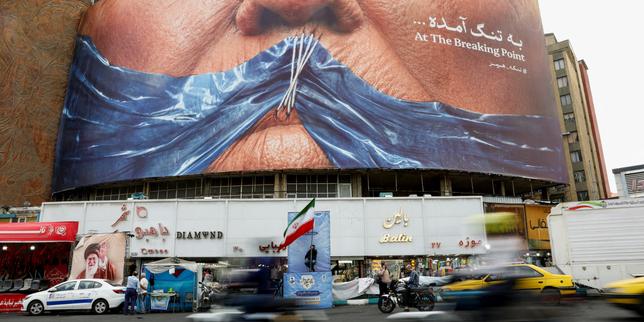
On Iranian state television, the rhetoric has shifted to match the escalation on the ground. News anchors have begun appearing on air holding rifles, while state-run broadcasts feature live firearms training for media personnel. The internal political signaling from Tehran suggests a regime preparing its domestic audience for a prolonged, multi-front war of attrition, irrespective of any ongoing ceasefire negotiations in European capitals.
Abu Dhabi’s response has been meticulously measured. Officially, the government has labeled the incident an unprovoked terrorist attack while withholding explicit, formal attribution in its public diplomatic communiqués. This restraint is a tactical necessity, not a sign of weakness.
Behind the scenes, the UAE has previously engaged in covert retaliatory strikes against infrastructure targets when its energy sector was hit earlier in the conflict. Emirati leadership understands that an overt military escalation targeting Iranian territory could instantly transform a managed proxy war into a regional conflagration that would devastate the very economic infrastructure they have spent decades building.
The strike on Barakah reveals that the current ceasefire is a fiction maintained only by the lack of a formal announcement of its demise. As long as the primary economic chokepoints remain blocked and diplomatic positions remain entirely irreconcilable, civilian infrastructure will remain on the front lines. The drone in the western desert proved that in the next phase of this conflict, no asset is too sacred to be targeted.