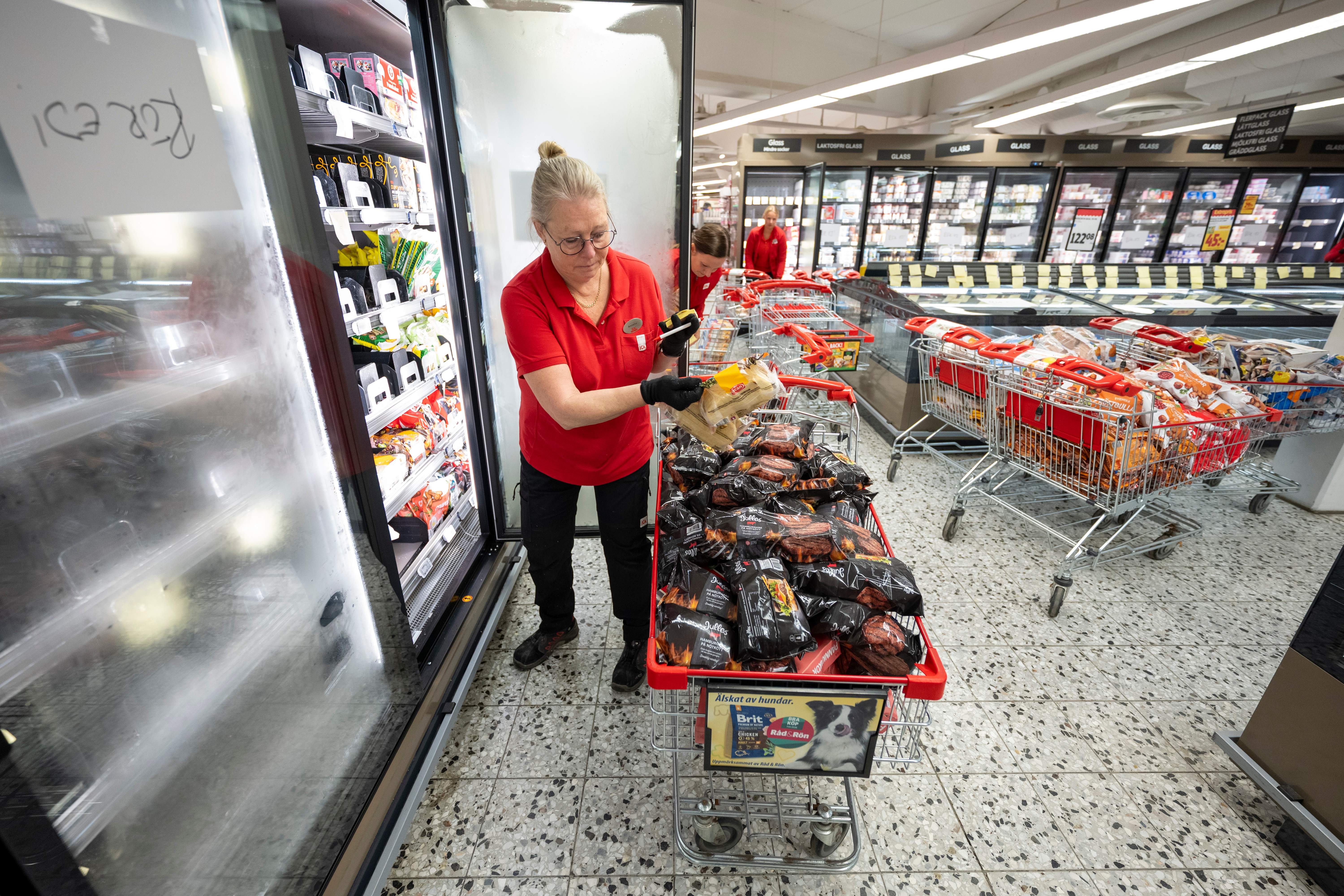
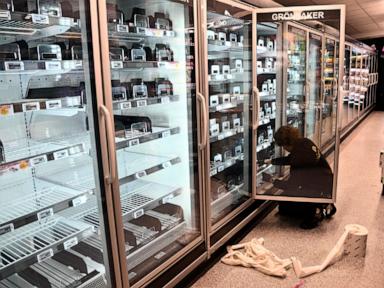
Walk into a grocery store when the cooling systems fail, and you'll see panic set in fast. Staff scramble with cardboard boxes and plastic sheeting while thousands of pounds of meat and dairy slowly warm toward the danger zone.
For years, people assumed these outages came down to blown compressors or a regional power dip. Not anymore. Across Europe, suspected cyberattacks have been knocking out supermarket refrigeration units, exposing a massive blind spot in how retailers connect their physical gear to the internet.
Most folks picture hackers sitting in dark rooms stealing credit card numbers or locking up corporate spreadsheets with ransomware. They rarely think about the thermostat keeping your milk at 3 degrees Celsius. Yet operational technology—the hardware and software that monitors and controls physical devices—has become a prime target. When someone compromises the building management system of a grocery chain, the damage isn't just digital. It's physical, immediate, and wildly expensive.
Why Hackers Target Supermarket Cooling Systems
You might wonder what anyone gains by turning off a freezer aisle. Money, mostly.
Ransomware gangs and extortionists know that supermarkets operate on razor-thin margins and tight inventory cycles. If a hospital's IT network goes down, doctors can sometimes fall back on paper charts for a few hours. If a supermarket's refrigeration goes offline across fifty locations on a Friday afternoon, the clock starts ticking immediately. Food safety regulations in the UK and the European Union are strict. Once chilled goods sit above safe thresholds for a set period, legally they have to be trashed.
I've spent years looking at how retail infrastructure gets wired up, and the pattern is always the same. Convenience wins over caution every single time.
To save money on maintenance, grocery chains connect their refrigeration racks, HVAC units, and lighting controls to centralized remote-monitoring platforms. Instead of sending a technician out to every store to check refrigerant pressure, an engineer at headquarters—or a third-party contractor—can log into a dashboard and tweak settings from miles away. That efficiency is great for the bottom line until someone leaves a virtual door unlocked.
The Trap of Internet-Connected Refrigeration
Modern supermarket cooling isn't just a fridge plugged into a wall socket. It's a complex network of programmable logic controllers (PLCs), temperature sensors, and smart valves talking to a local gateway, which then talks to the cloud.
Here is where things go sideways. Many of these industrial controllers were designed decades ago, long before anyone worried about nation-state hackers or automated botnets scanning the internet for open ports. They often lack basic encryption. Some still run on outdated operating systems that can't be patched without taking the whole store offline.
When retailers bolt internet connectivity onto legacy cooling hardware without proper network segmentation, they create a direct bridge from the public web straight into the chiller cabinets. Attackers don't even need sophisticated zero-day exploits to get in. Tools like Shodan—a search engine for internet-connected devices—let anyone spot exposed building management systems in seconds.
How a Digital Breach Turns Into Spoiled Food
Once an attacker gains access to a building management system, they don't necessarily need to smash anything. They just change the rules.
In documented industrial control incidents across Europe, intruders have manipulated setpoints—telling a cooling unit that the target temperature is 15 degrees instead of 2—or disabled the automated alarms that would normally alert store managers to a sudden temperature spike. By the time an employee notices condensation dripping down the glass doors or feels warm air near the yogurt section, it's already too late.
The financial hit compounds fast:
- Immediate stock loss: A single large hypermarket can easily hold tens of thousands of euros worth of perishable goods. Multiply that across a regional network, and the losses climb into the millions within hours.
- Supply chain disruption: Clearing out ruined inventory, sanitizing cases, and restocking shelves takes days, leaving empty aisles and frustrated shoppers who quickly take their business to a competitor down the street.
- Equipment damage: Rapidly cycling compressors on and off, or forcing defrost heaters to run continuously, can burn out physical components that take weeks to replace due to specialized parts shortages.
Honestly, it's a brutal form of leverage. An extortionist doesn't even have to encrypt the company's main servers to force a payout. Threatening to spoil an entire weekend's worth of fresh produce and frozen goods creates urgent pressure on executives to pay up before the Monday morning rush.
What Security Experts Know About European Retail Attacks
Across the European Union, cybersecurity agencies like ENISA (the European Union Agency for Cybersecurity) have repeatedly warned that retail and food supply chains face rising threats to their operational technology. While individual supermarket chains often stay quiet about the exact technical root causes of an outage to avoid spooked shareholders or copycat attacks, the broader trend is undeniable.
Consider how third-party vendors fit into this mess. Supermarkets rarely maintain their own refrigeration gear. They hire specialized HVAC and cooling contractors. Those contractors use remote access tools—sometimes basic VPNs, sometimes off-the-shelf remote desktop software—to troubleshoot issues across dozens of different retail clients.
If a hacker compromises one mid-sized refrigeration contractor, they suddenly hold the keys to the cooling systems of hundreds of grocery stores across multiple countries. That's the supply-chain domino effect in action. We saw a famous version of this back in 2013 with the Target breach in the US, which started through an HVAC vendor's credentials. More than a decade later, the exact same architectural flaw is still tripping up European businesses, except now the attackers are messing directly with the physical environment rather than just skimming payment cards.
Misconceptions That Leave Stores Exposed
Talk to facility managers about cyber risk, and you'll hear the same three excuses over and over.
First, they assume nobody cares about a local grocery store's cooling plant. Attackers don't pick targets manually anymore; automated scripts sweep the entire IPv4 address space looking for specific exposed protocols like Modbus or BACnet. If your system is visible, it will be found.
Second, teams believe their cooling network is "air-gapped" from the corporate office Wi-Fi. In practice, someone almost always plugs in a cellular modem for vendor maintenance or bridges the networks so energy management software can pull power usage data into corporate billing systems. True air gaps barely exist in modern retail.
Third, executives think physical alarms will save them. If a fridge warms up, a buzzer goes off, right? Not if the attacker sits inside the controller and suppresses the alert logic before altering the temperature threshold.
Fixing the Weak Links in Cold Chain Security
Securing supermarket refrigeration doesn't require ripping out millions of euros worth of perfectly good compressors and starting from scratch. It requires treating physical equipment with the same basic hygiene that IT teams apply to laptops and servers.
Audit every external connection immediately. Facility and IT teams need to sit in the same room—something that happens way less often than you'd think—and map out every single way an outside signal can reach a store's building management system. Pull the plug on direct internet exposure. If a refrigeration controller has a public IP address, take it offline today.
Lock down vendor remote access. Contractors shouldn't have always-on tunnels into store networks. Force third-party technicians to use jump hosts with multi-factor authentication, strict time-based access windows, and session logging. When the maintenance window closes, the connection dies automatically.
Segment the network properly. Your point-of-sale terminals, your customer Wi-Fi, your corporate email servers, and your refrigeration controllers belong on completely isolated network segments separated by strict firewalls. A phishing email clicked by an HR coordinator should never give an intruder a path to the frozen food aisle.
Install independent, out-of-band temperature monitors. Don't rely solely on the smart controller's built-in dashboard to tell you when things are warming up. Cheap, standalone cellular temperature sensors placed inside critical cold rooms can send SMS alerts directly to store managers completely independent of the main building network. If the primary system gets hijacked or muted, you'll still know within minutes that the temperature is climbing.
Check your vendor contracts, isolate your industrial controllers from the open web, and put independent physical alerts in place before a digital intrusion turns your store's inventory into landfill waste.