You can't buy peace with a single gesture, even when that gesture involves a human life.
Just hours after Iran allowed Dena Karari—a dual US-Iranian citizen held on bogus espionage charges since late 2024—to finally board a flight out of the country, the Persian Gulf went right back to burning. It is a classic case of diplomatic whiplash. President Donald Trump took to social media to praise Tehran for a "gesture of Goodwill". Meanwhile, American warships were actively targeting an oil tanker and pounding coastal missile sites.
If you're trying to make sense of how a conflict can feature both a high-profile hostage release and direct military strikes on the very same day, you aren't alone. The reality is that the temporary ceasefire signed last month is effectively dead. What we're seeing now isn't a transition to peace; it's the resumption of a highly volatile war of attrition over the world's most vital energy choke point.
The Illusory Peace of the Hormuz Strait
To understand why things fell apart so quickly, look at the geography of the conflict. Everything comes down to the Strait of Hormuz.
Last month, the US and Iran signed a vague memorandum of understanding (MOU) designed to halt active hostilities and reopen the shipping lanes. But the deal had a massive structural flaw. It never clearly defined how quickly the strait would reopen or who would hold the keys.
Strait of Hormuz Conflict Dynamics:
[US Demands] ---> Free transit, end of threats to global shipping
[Iran Demands] --> Recognition of maritime control, shipping service fees
[Result] --------> Ambiguous MOU, rapid collapse back into military strikes
Tehran insists that any vessel sailing through the waterway must get its explicit permission and pay local service fees. The US views this as an illegal toll booth on global commerce. When Iran refused to back down, the Trump administration quickly lost patience, ripped up the fragile agreement, and reinstated a heavy naval blockade on Iranian ports.
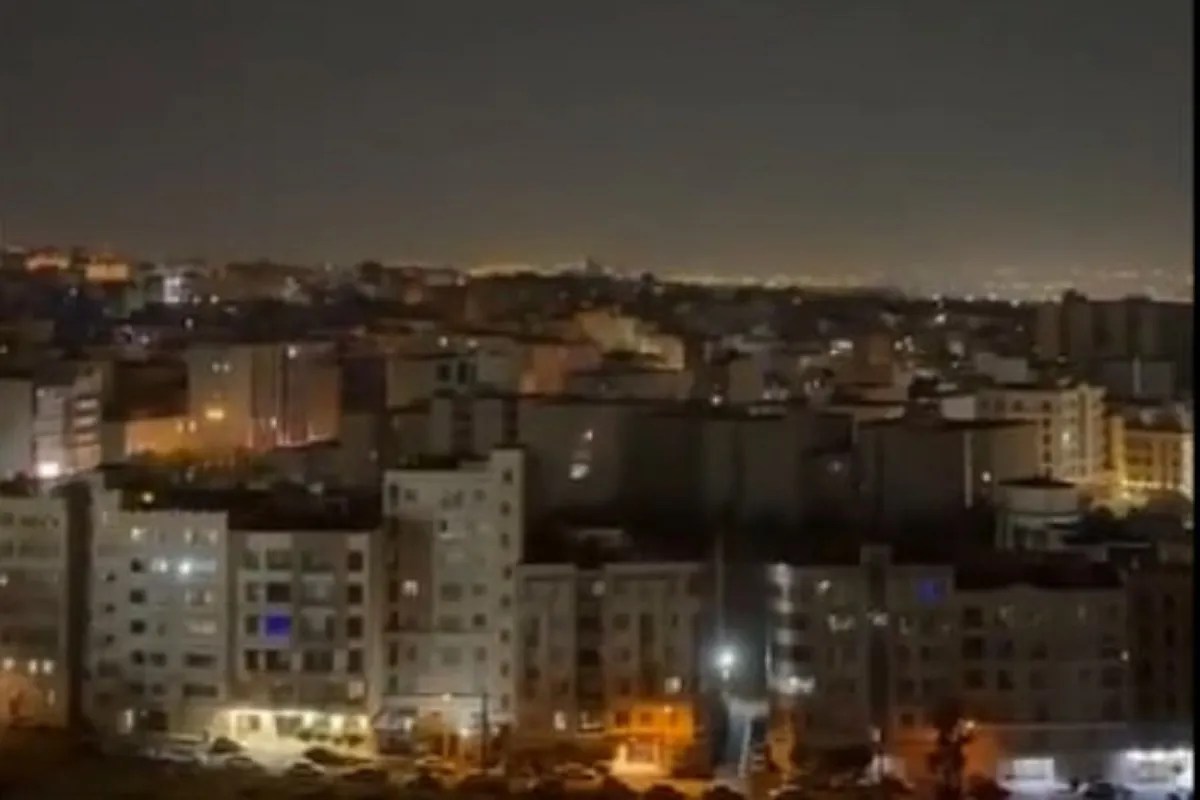
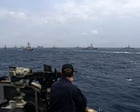
The military response was swift. US forces targeted an unladen tanker attempting to reach Iran's primary export terminal at Kharg Island. After the vessel ignored multiple warnings, US forces disabled it by firing Hellfire missiles directly into its smokestack. To protect its operations, the US military also took out nearby Iranian coastal defense radars and missile batteries. For the first time in this phase of the conflict, strikes even hit targets near the capital city of Tehran.
Why Dena Karari Was Released Now
With bombs falling, why did Iran suddenly let Dena Karari go?
Karari, who runs a nonprofit charity and worked for an American tech firm, had been stuck under a coercive exit ban since December 2024. She was a political bargaining chip. Iran routinely uses dual citizens as leverage to extract concessions, lift sanctions, or force diplomatic talks.
Her release wasn't actually part of the formal peace framework. Instead, it was negotiated on a parallel track led by US special envoy Steve Witkoff and prominent human rights lawyer Jared Genser. Karari's health had deteriorated rapidly, culminating in a heart attack on July 8. Knowing that her death in custody would permanently end any hope of diplomatic relief, Tehran chose to let her leave.
But don't mistake this for a broader shift in Iranian policy. Tehran is still holding other dual nationals under horrific conditions, including journalist Reza Valizadeh and jeweler Kamran Hekmati. Iran releases hostages only when the immediate benefit of letting them go outweighs the leverage of keeping them.
The Escalating Cycle of Retaliation
Iran's response to the latest American naval blockade wasn't a diplomatic protest. It was a barrage of missiles and drones.
Shortly after the US disabled the tanker near Kharg Island, Iranian forces launched retaliatory strikes against US military assets and allied facilities across the region, specifically targeting sites in Jordan, Bahrain, and Kuwait. While air defenses intercepted several of these missiles, the message from Tehran was unmistakable: if Iran cannot export its oil, it will make sure its neighbors can't safely navigate the region either.
Mohammad Bagher Ghalibaf, the speaker of Iran's parliament and a lead negotiator, openly declared that Iran has no remaining reason to honor the interim peace agreement. The conflict has officially devolved back into a hot war.
What Happens Next on the Water
If you're watching the energy markets or tracking global shipping, the outlook is grim. The brief pause in fighting didn't solve the underlying issues, and the current escalation makes a return to normal shipping traffic in the Persian Gulf highly unlikely in the near term.
Here is what to watch for as this naval conflict continues to escalate:
- Soaring Maritime Insurance Rates: Shipping companies are already avoiding the Persian Gulf. Those that do enter will face astronomical war-risk insurance premiums, directly driving up the cost of global energy imports.
- Asymmetric Maritime Attacks: Since Iran cannot match the US Navy in a conventional head-to-head fight, expect a return to limpet mines, drone swarms, and helicopter ship seizures targeting commercial vessels.
- Stalled Diplomatic Channels: With both sides accusing each other of violating the June agreement, any future talks will require a level of verification that neither country is currently willing to accept.
The release of Dena Karari is a massive victory for her family and the advocates who spent years working for her freedom. But as long as the Strait of Hormuz remains a contested geopolitical playground, those brief moments of diplomatic success will continue to be overshadowed by the realities of military conflict.