Geopolitics isn't usually about manners. When a country goes out of its way to issue a public "thank you" to a specific group of nations, it’s rarely just about being polite. It’s a calculated diplomatic signal. Recently, Tehran did exactly that, expressing formal gratitude to India, Pakistan, Spain, and Germany.
If you’re wondering why this specific quartet made the cut, you’re not alone. On the surface, these four countries don't have much in common regarding their Middle East policies. One is a neighboring Islamic republic, one is a rising Global South leader, and two are core members of the European Union. But recent events in the region—specifically the fallout from localized escalations and humanitarian crises—have forced Iran to lean on certain partners for mediation, logistics, or simple diplomatic breathing room.
The timing matters. Iran is navigating a minefield of sanctions and regional tensions. Every handshake counts. By calling out India, Pakistan, Spain, and Germany, Tehran is trying to show the world it isn't as isolated as the West might claim. It’s a move designed to highlight "constructive engagement" over "confrontational rhetoric."
The Indian Connection and Why New Delhi Stayed on the List
India and Iran have a relationship that survives despite immense pressure from Washington. For Tehran, India is the gateway to the East. For New Delhi, Iran is the gateway to Central Asia. The gratitude here likely stems from India's consistent refusal to completely cut ties, even when secondary sanctions loomed large.
Take the Chabahar Port. It’s the crown jewel of this partnership. India has invested millions to develop this port because it bypasses Pakistan to reach Afghanistan and beyond. When Iran thanks India, they're acknowledging more than just trade. They're thanking a partner that provides a "stabilizing influence" in a chaotic neighborhood. India’s diplomacy is famously independent. They don't take orders from the White House, and Tehran deeply respects that kind of autonomy.
Recent high-level meetings between Indian officials and Iranian leadership have focused on maritime security. With the Red Sea and the Gulf of Oman becoming increasingly volatile, Iran needs a partner with a capable navy and a neutral stance. India fits that bill perfectly. It's not about being allies in a military sense. It's about being reliable neighbors who keep the shipping lanes open when everyone else is shouting.
Pakistan and the Fragile Brotherhood
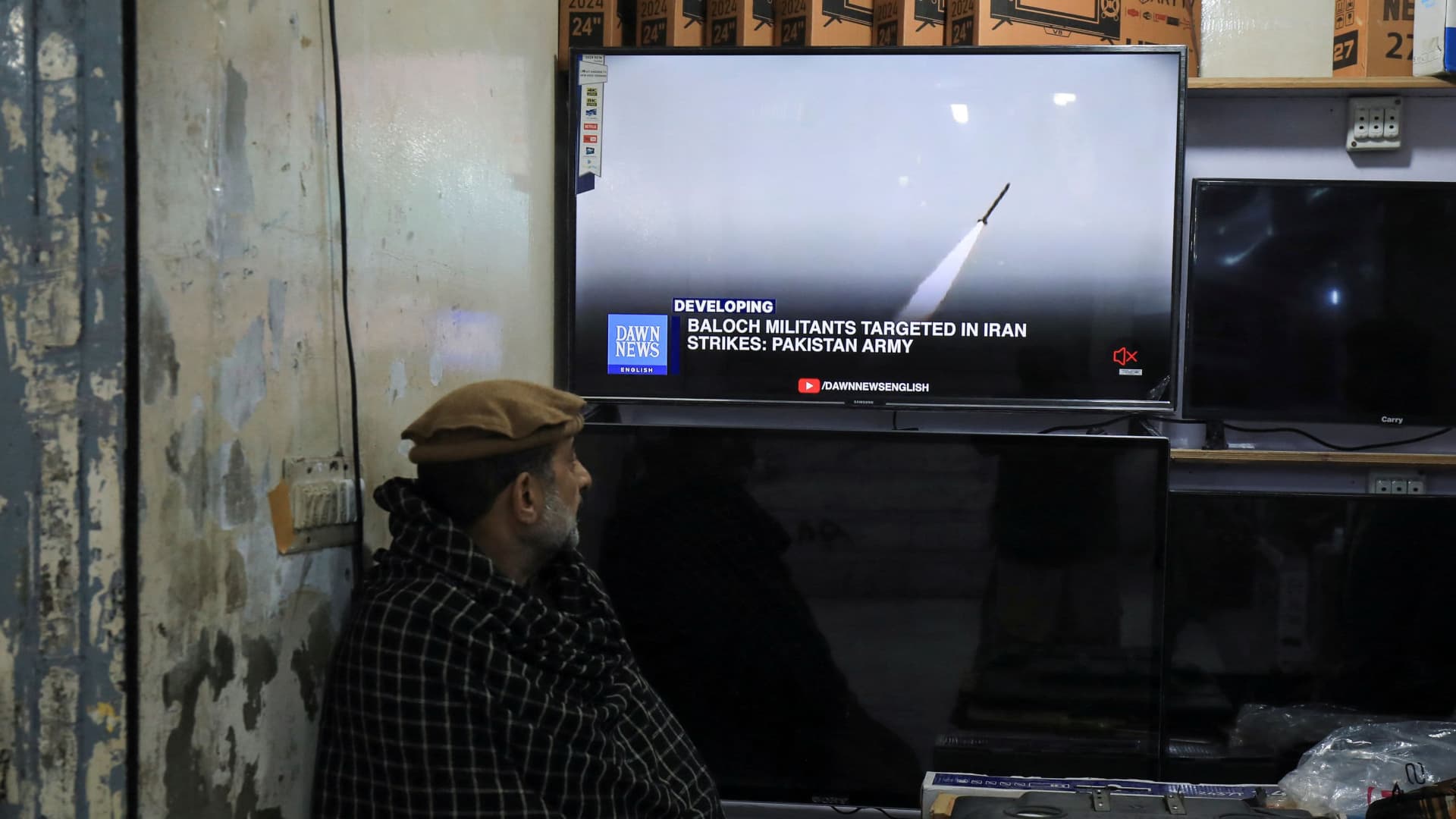
The relationship between Iran and Pakistan is a rollercoaster. One week they're trading cross-border strikes against militant groups, and the next they're signing energy deals. So, why the gratitude now?
It comes down to border management and regional security. Both nations realize that an unstable border is a gift to extremist groups that hate both governments. Pakistan has recently taken steps to coordinate more closely with Iranian security forces to manage the flow of people and goods. Tehran knows that without Islamabad's cooperation, their eastern flank is wide open.
There’s also the "OIC factor." Pakistan is a heavy hitter in the Organization of Islamic Cooperation. When Iran needs to rally support or explain its position to the wider Muslim world, Pakistan often acts as a bridge. This "gratitude" is a way of smoothing over the cracks from past skirmishes and signaling a desire for a "united front" on regional stability. They need each other, even if they don't always like each other.
Why Germany and Spain Are the European Outliers
This is where things get interesting. Most of the EU is currently in a deep freeze with Tehran. Yet, Spain and Germany were singled out.
Germany has historically been Iran’s most significant European trading partner. Even when political relations sour, the industrial and economic links remain. Berlin often plays the "good cop" in European diplomacy, trying to keep channels open for dialogue regarding nuclear agreements or regional de-escalation. Iran’s thank-you to Germany is a nod to those who still believe in talk over tanks. It's a signal to the rest of the EU that there’s a path back to normalcy if they follow the German lead of "pragmatic engagement."
Spain, on the other hand, has taken a noticeably distinct tone regarding Middle Eastern conflicts lately. Madrid has been more vocal than most European capitals about humanitarian concerns and the need for a balanced approach to regional security. By thanking Spain, Iran is rewarding a country that hasn't strictly followed the "maximum pressure" script. It’s about optics. If Tehran can show that some of the most influential countries in Europe are still talking to them, the narrative of total isolation falls apart.
Beyond the Handshakes
Don't mistake this for a shift in Iran’s core ideology. This is "survival diplomacy." Tehran is looking for cracks in the consensus of its adversaries. By grouping a BRICS powerhouse like India with a neighbor like Pakistan and two EU heavyweights, Iran is showcasing a diversified portfolio of "friends."
What does this mean for you? If you're watching energy markets or global security, keep an eye on these four channels.
- Trade Corridors: Watch for new developments in the International North-South Transport Corridor (INSTC) involving India.
- Security Coordination: Look for joint maritime exercises or border patrol agreements between Iran and Pakistan.
- EU Policy: See if Spain and Germany use this "gratitude" as leverage to push for new diplomatic breakthroughs.
This isn't just a news snippet. It’s a map of where the influence is shifting. Iran is playing a long game, and right now, these four countries are the key pieces on their board.
If you want to understand the actual impact of these diplomatic ties, stop looking at the official press releases and start looking at the shipping manifests. The real story is always in the movement of goods and the quiet meetings in neutral cities. Monitor the upcoming bilateral trade summits in New Delhi and Berlin. Those meetings will tell you if this gratitude was a one-time thing or the start of a much deeper realignment.