Kuwait's neutrality just hit a wall. The explosion at Shuwaikh Port wasn't just a mechanical failure or a random accident. It was an Iranian drone strike that ripped through the heart of Kuwait's maritime trade, forcing the government to activate emergency procedures that haven't been seen in decades. If you thought the West Asia War would stay contained in the Levant or the Red Sea, you were wrong.
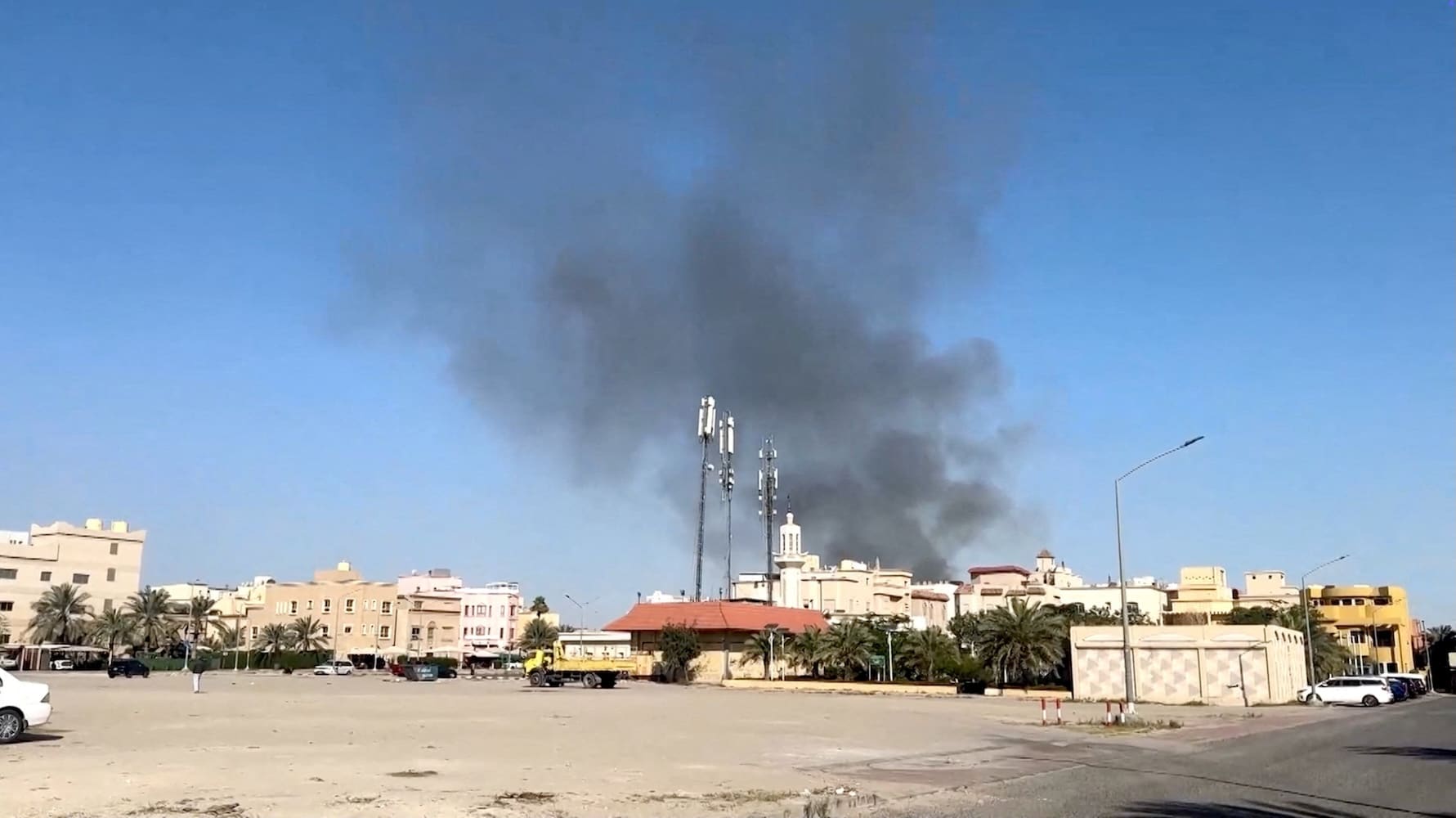
The smoke rising over the Persian Gulf tells a new story. For years, Kuwait played the role of the quiet mediator. They balanced relationships with Riyadh, Tehran, and Washington like a high-wire act. That act is over. An Iranian-origin suicide drone—likely a variant of the Shahed series—targeted the commercial infrastructure of a nation that has gone out of its way to avoid the fray. It's a blatant escalation. It's a message. And it's a terrifying look at how fragile the global supply chain really is when cheap tech meets high-stakes geopolitics.
The Morning Shuwaikh Port Went Dark
It happened during the early shift. Witnesses reported a low-humming sound, typical of small delta-wing UAVs, before a massive blast rocked the northern pier. Security forces didn't have time to react. Kuwait's air defense systems, largely focused on ballistic threats, struggled to track the low-flying, slow-moving craft.
The damage is significant. We aren't just talking about a few broken windows. The strike hit a primary container handling area, sparking fires that took hours to contain. Kuwait Port Authority (KPA) immediately shut down all operations. They scrambled to move vessels out of the harbor, fearing a second wave. You don't activate "emergency procedures" for a minor mishap. You do it when your sovereignty is under literal fire.
The government’s response was swift but signaled deep panic. They’ve raised the combat readiness of the National Guard to "extreme" levels. This isn't just about protecting a pier. It’s about the fact that if Shuwaikh is vulnerable, so are the oil terminals at Al-Ahmadi. If the oil stops flowing, Kuwait's economy doesn't just slow down—it evaporates.
Iran’s Fingerprints and the Deniability Myth
Tehran usually plays this game through proxies. Usually, it's the Houthis in Yemen or militias in Iraq taking the fall. But the flight path for this specific drone points toward a different reality. Analysts tracking regional telemetry suggest the launch point wasn't thousands of miles away. It was close.
Why Kuwait? And why now?
- The Pressure Cooker: Iran is feeling the squeeze of increased Western naval presence in the region. By hitting a "soft" target like Kuwait, they're proving that no corner of the Gulf is safe.
- Logistics Sabotage: Shuwaikh is a lifeline. It handles the vast majority of Kuwait's food and consumer goods. Hitting the port is a direct attack on the civilian population's quality of life.
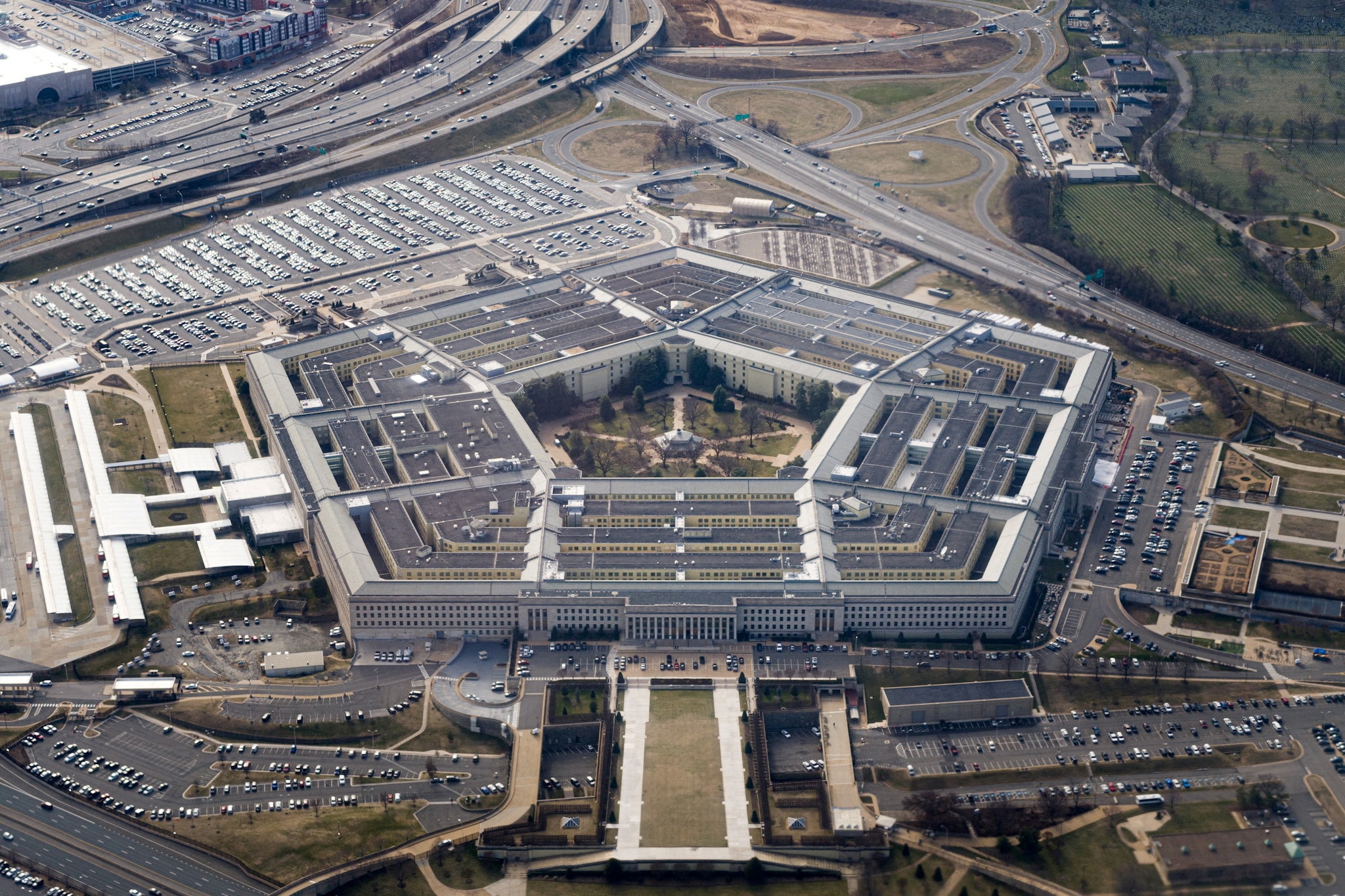
- The American Connection: Kuwait hosts thousands of U.S. troops at Camp Arifjan. While the drone didn't hit a military base, it struck a port used for dual-purpose logistics. It's a shot across the bow of the Pentagon.
The "plausible deniability" Iran loves to use is wearing thin. We've seen this pattern in the "Shadow War" for years, but moving the theater to Kuwaiti soil is a massive miscalculation or a very deliberate provocation meant to force a regional collapse.
Security Failures and the Drone Problem
Let's be honest about the hardware. The Middle East is currently a testing ground for cheap, effective drone warfare. Traditional defense contractors have spent billions on missiles that cost $2 million each. They're great for hitting a fighter jet. They sucks at hitting a $20,000 drone made of carbon fiber and lawnmower engines.
Kuwait’s reliance on traditional radar is the problem here. These drones fly "under the thumb," hugging the coastline and using the urban clutter of Kuwait City to mask their signature. The Shuwaikh strike proves that even a well-funded military can be blinded by low-tech solutions.
I’ve talked to maritime security experts who have been warning about this for months. They’ve been shouting into the void about "asymmetric maritime threats." Nobody listened until the pier started burning. Now, every port from Dubai to Dammam is looking at their radar screens and realizing they’re seeing ghosts.
The Economic Ripple Effect
Kuwait isn't a massive country, but its role in the global energy market is outsized. When Shuwaikh shuts down, insurance premiums for every ship entering the Persian Gulf skyrocket. We call this the "War Risk Surcharge."
If you're a shipping company, you're now looking at Kuwait and wondering if it's worth the risk. This leads to a feedback loop.
- Higher insurance costs mean more expensive imports.
- More expensive imports lead to domestic inflation.
- Inflation leads to social unrest.
It's a textbook move in economic warfare. Iran doesn't need to sink the whole Kuwaiti navy. They just need to make it too expensive for the rest of the world to do business with them. This strike was a surgical hit on the Kuwaiti Dinar’s stability.
What This Means for Regional Alliances
Expect the GCC (Gulf Cooperation Council) to go into overdrive. Saudi Arabia and the UAE cannot afford to let this stand. If Kuwait falls under the umbrella of "active combat zones," the entire peninsula is at risk.
We’re likely going to see a massive shift in Kuwait's foreign policy. The days of "friendly neutrality" are dead. You can't be neutral with a neighbor that sends explosive drones to your workplace. Look for Kuwait to lean harder into its security agreement with the United States. They'll likely demand more advanced Counter-UAV (C-UAV) tech like the Coyote interceptors or electronic warfare suites that can jam these drones before they reach the harbor.
Immediate Actions for Maritime Operators
If you're operating in the North Persian Gulf, the rules of engagement just changed. You can't rely on the "safety" of sovereign waters anymore.
Security teams on commercial vessels need to be doubled. You need visual lookouts 24/7—not just radar. If you see a drone, you don't have minutes to react; you have seconds. Kuwaiti authorities are currently re-routing traffic to Shuaiba Port, but that's a temporary fix. Shuaiba is just as vulnerable.
Governments in the region must stop treating drone threats like a futuristic "what if" scenario. It’s a "right now" disaster. The Shuwaikh strike is the definitive proof that the West Asia War has entered a new, more volatile phase where no one is a bystander.
The next step for Kuwait is clear. They have to bolster their electronic warfare capabilities immediately. Relying on interceptor missiles is a losing game of math. You need to kill the signal, not just the bird. If they don't lock down their airspace within the next 48 hours, Shuwaikh won't be the last target. Every oil platform and desalination plant in the Gulf is now on the menu.
Check your local maritime advisories and ensure all transponders are verified. The Gulf is no longer a safe transit zone.