The Breaking Point Beneath Our Feet
Severe weather warnings are no longer routine administrative updates. They are red flags signaling a systemic failure in civil engineering and municipal preparedness. When meteorological agencies issue severe weather alerts for torrential downpours and flash floods, the public response is predictable. Commuters scramble for alternative routes, municipal workers scramble to clear blocked drains, and politicians issue boilerplate statements about unprecedented weather events.
Weather anomalies are not unprecedented anymore. They are the new baseline.
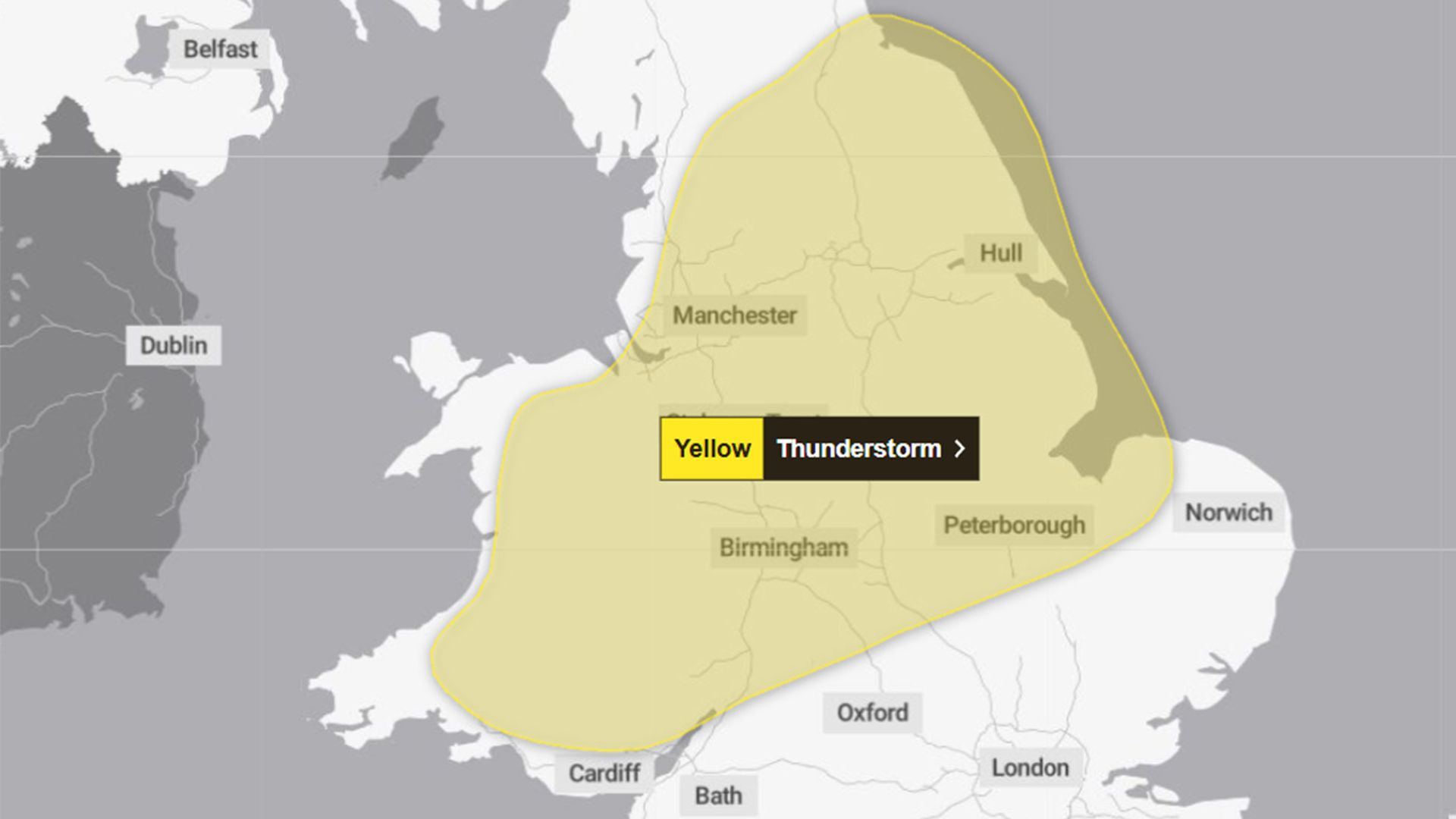
The real story is not that heavy rain falls from the sky. The real story is that our drainage systems, transport networks, and urban planning models were engineered for a climate regime that ceased to exist decades ago. Every time a yellow warning for thunderstorms flashes across news feeds, it exposes a fragile web of outdated infrastructure that buckles under the weight of basic hydro-meteorological physics.
Consider how modern cities handle water. Pavement is impermeable. Concrete replaces soil, eliminating natural absorption pathways. When a cloudburst dumps two inches of rain in an hour, the water has nowhere to go. It surges across asphalt, overpowers storm sewers built in the mid-twentieth century, and transforms urban intersections into rushing rivers.
Transportation networks suffer immediately. Rail lines warp or flood, signaling systems short out, and highways turn into parking lots. The financial cost of these disruptions scales exponentially with every hour the network stays paralyzed. Yet, municipal budgets consistently favor reactive patching over proactive overhaul.
The Anatomy of Transport Paralysis
Mobility failure during severe weather is a choice. It is the cumulative result of deferred maintenance, archaic zoning laws, and a stubborn refusal to invest in subterranean hardening.
Take rail infrastructure as a prime example. Steel tracks expand and contract with temperature swings, while track beds depend on stable ballast to drain water effectively. When flash floods hit, ballast washes away, leaving rails unsupported. A train moving at high speed over compromised track beds faces catastrophic derailment risks. Operators slow trains down or halt services entirely.
Commuters view these cancellations as an inconvenience. Logistics planners view them as supply chain shocks.
Road networks face an entirely different set of vulnerabilities. Culverts and bridges crossing local waterways act as bottlenecks. Debris carried by rushing water chokes these narrow passages, forcing rivers to spill over banks and scour away road foundations. The collapse of a single regional bridge severs supply chains, isolates communities, and forces emergency services into perilous detours.
Municipalities manage these risks with sandbags and temporary pump deployment. These measures are the civil engineering equivalent of using a band-aid on an arterial wound. True mitigation requires multi-billion-dollar investments in subterranean retention basins, permeable paving mandates, and the daylighting of urban rivers that were entombed in concrete decades ago.
The Regulatory Disconnect
Why do cities continue to build in harm's way? The answer lies in the fractured incentives of real estate development and local governance.
Developers maximize square footage on parcels of land without accounting for cumulative downstream runoff. Local tax authorities welcome the new construction because it boosts municipal revenues. The long-term cost of managing the resulting stormwater runoff falls squarely on public works departments, which are chronically underfunded and politically marginalized until a disaster strikes.
Environmental impact assessments often rely on historical flood data that fundamentally misjudges future risk. Planners use the concept of the hundred-year flood as a benchmark for zoning restrictions. That statistical model assumes climate stability. Because that stability is gone, a hundred-year flood now occurs every decade or less.
Building codes must evolve to mandate decentralized stormwater management on every new parcel of land. Cisterns, green roofs, and bioswales should not be optional design flourishes. They must become legal prerequisites for occupancy. If a building adds impermeable surface area, it must retain or safely infiltrate an equivalent volume of water on-site.
Insurance markets are beginning to price in this reality, albeit brutally. As flood insurance premiums skyrocket or coverage vanishes entirely in vulnerable zones, property values will face a sharp correction. The market will eventually force what regulators refused to mandate.
Shifting from Reaction to Resilience
Mitigating the economic and human toll of severe weather demands a fundamental philosophical pivot. We must stop treating flash floods and transit disruptions as acts of God and start treating them as design failures.
Governments must audit every critical transport corridor for flood vulnerability. Engineers should prioritize hardening substations, elevating signaling infrastructure, and widening drainage channels near vital interchanges. These projects lack the ribbon-cutting glamour of a new high-speed rail line, but they keep the existing economy moving when the skies open up.
Emergency response protocols also need modernization. Real-time sensor networks within drainage systems can provide predictive mapping of urban flooding hours before it hits the streets. Automated barriers and dynamic traffic routing can pull vehicles away from low-lying underpasses before water levels turn lethal.
The next time a meteorological service posts an amber or yellow warning, look past the immediate inconvenience of delayed trains and soggy commutes. Examine the structural neglect that made those disruptions inevitable in the first place. Until society demands infrastructure robust enough to handle the reality of our changing environment, every major storm will remain a crisis waiting to happen