Hong Kong shopping malls are aggressively banking on regional sports spectacles and mega-events to arrest a multi-year slide in foot traffic and tenant sales, transforming concourses into makeshift stadiums as they grapple with structural shifts in consumer behavior. Property developers across the territory are confronting an uncomfortable reality. Traditional retail models built on high-margin luxury consumption and steady streams of high-spending tourists have fractured. Local residents now regularly cross the border to Shenzhen for weekend leisure and value-oriented purchasing, while mainland visitors have pivoted away from traditional shopping sprees toward experiential and cultural tourism.
To counter this bleeding, major landlords are pouring capital into sports-themed activations, live-screening mega-events, and entertainment-heavy tenancy mixes. But beneath the surface of roaring crowds gathered around giant screens, property analysts and veteran market observers question whether temporary athletic enthusiasm can fix structural economic pressures, or if it merely masks deeper ailments in the city's commercial real estate sector.
The Anatomy of Retail Leakage
The numbers underlying Hong Kong's commercial property distress point to a permanent reconfiguration of consumer habits rather than a cyclical dip. For decades, property giants collected astronomical rents powered by an unshakeable formula: mainland tourists arriving with empty suitcases and leaving with luxury timepieces, cosmetics, and designer apparel. That engine stalled.
A strong Hong Kong dollar tied to the greenback, combined with mainland economic normalization and the expansion of domestic Chinese duty-free hubs like Hainan, eroded the city's traditional price and product advantages. Simultaneously, the habits of local residents underwent a sharp transformation. Improved transit links, including high-speed rail and expanded boundary checkpoints, turned weekend trips to neighboring Shenzhen into a routine cost-saving measure. Dining, entertainment, and groceries across the border often cost a fraction of local prices, triggering a steady outflow of domestic spending.
Traditional shopping malls designed primarily for transactional retail found themselves holding excessive square footage dedicated to apparel and luxury goods that local shoppers are increasingly bypassing. Vacancy rates in secondary and tertiary retail centers crept upward, forcing landlords to rethink their fundamental purpose. If residents and tourists no longer visit malls simply to acquire goods, malls must offer something that cannot be shipped in a cardboard box or purchased cheaper across the border.
Turning Atriums into Arenas
Enter the sports-industrial complex. Mall operators have realized that broadcasting major athletic competitions inside high-traffic atriums generates immediate, measurable spikes in foot traffic. Developers like Henderson Land and major operators around newly minted infrastructure such as the Kai Tak Sports Park have deployed sports-centric calendars to capture public enthusiasm during major tournaments.
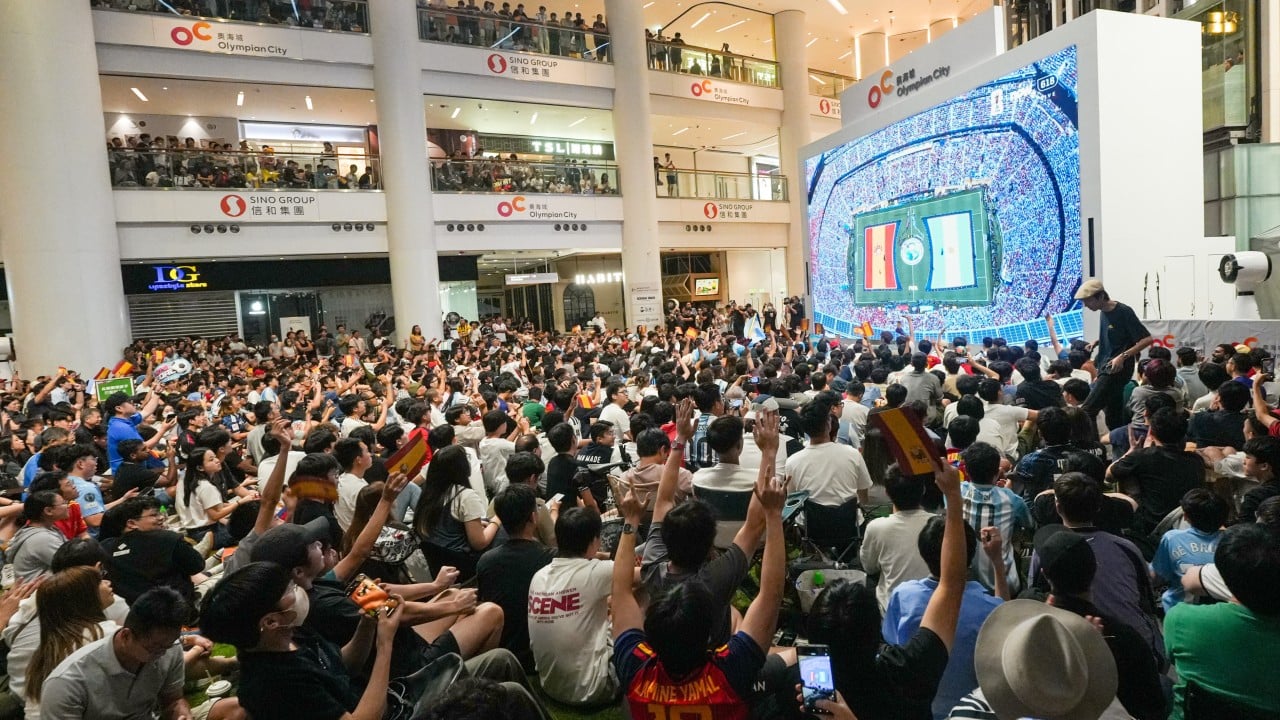
During recent international football tournaments and regional games, commercial complexes constructed massive indoor viewing zones, installed pop-up synthetic turf pitches, and partnered with food and beverage tenants to extend operating hours. These activations are engineered to drive dwell time. In a retail economy where the primary enemy is emptiness, keeping a family inside a building for four hours instead of forty minutes radically alters conversion rates for dining and casual spending.
The strategy yields immediate tactical wins. Facilities incorporating sports infrastructure or hosting major tournament broadcasts report double-digit percentage surges in weekend foot traffic compared to baseline periods. Restaurants and fast-casual eateries located near these event zones capture immediate spillover revenue, occasionally offsetting the persistent weakness in traditional apparel sales.
The Limits of Transient Spectacle
Yet, treating sports and mega-events as a panacea ignores the economic arithmetic of commercial real estate. Events are, by definition, episodic. A tournament ends, a regional games schedule concludes, and the giant screens are dismantled. What remains on Monday morning is the underlying lease structure, the base rent, and the long-term cost of asset maintenance.
Landlords face a severe margin squeeze. To attract crowds for sports events, property management firms must absorb significant production costs, from licensing fees and massive audio-visual installations to security and crowd management personnel. While these investments temporarily boost foot traffic, property agents note that conversion rates—turning a spectator into an actual buyer of high-margin retail goods—remain stubbornly low. A teenager watching a match on a massive atrium screen buys a soft drink, not a luxury watch or premium homeware.
Furthermore, retail tenants operating under traditional fixed-rent leases struggle to absorb the volatility. While anchor restaurants and major chain cafes benefit from event surges, independent boutiques and specialty shops tucked away on upper floors often see little trickle-down benefit from atrium crowds. This polarization deepens tenant friction, pushing landlords toward more flexible revenue-sharing lease models or forcing them to grant rent concessions to prevent widespread vacancies.
The Realignment of Space
The push toward sports and experiential installations signals a broader, irreversible shift in how Hong Kong utilizes commercial square footage. Space is transitioning from a storage medium for merchandise into a stage for community engagement. Landlords are shrinking the footprint allocated to traditional retail brands and expanding areas dedicated to wellness, indoor sports climbing, digital gaming, and cultural exhibitions.
This evolution requires a fundamental retraining of asset management philosophy. Property developers who historically functioned as passive rent collectors must now act as cultural programmers and event producers, constantly curating reasons for consumers to leave their homes. Those who adapt successfully are carving out sustainable niches by transforming malls into community hubs. Those clinging to the old retail model find themselves with expensive, underutilized concrete boxes.
The bet on regional sports and mega-events is not a permanent cure for structural retail transformation. It is a holding action—a mechanism to buy time while developers re-engineer their portfolios for an era where consumers value experiences over possessions, and where proximity to the mainland changes the baseline of urban commerce forever.