Everybody loves a good panic.
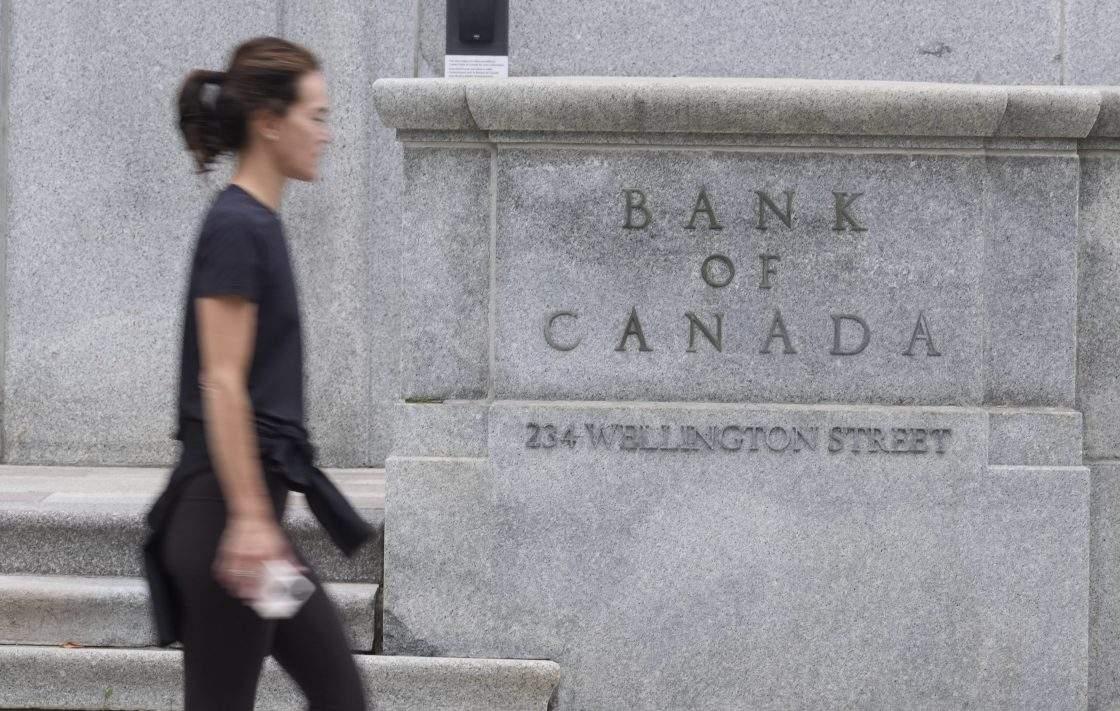
Turn on any financial broadcast and you will hear the same exhausted panic about the Bank of Canada and the Federal Reserve tightening monetary policy. Borrowers are sweating over their upcoming mortgage renewals. Corporate CFOs are groaning about the cost of capital. Pundits on television act like higher borrowing costs are an economic death sentence, a blunt instrument destroying the standard of living from Toronto to Vancouver.
It is lazy thinking. It is the kind of analysis you get from people who measure economic health purely by how cheaply a drunk developer can borrow money to build another glass condo tower nobody asked for.
Let us strip away the noise and look at what is actually happening. For over a decade, we ran an economic experiment powered by artificial cheap money. It subsidized inefficiency, inflated housing to absurd levels, and punished anyone who actually tried to save a dollar. Returning to a normal cost of capital is not a catastrophe. It is an overdue cleanup.
To understand why the consensus is dead wrong, we need to dismantle the first major falsehood: that higher rates crush the Canadian dollar against the greenback.
The lazy narrative says that because the U.S. Federal Reserve hikes rates aggressively, the loonie is bound to slide into oblivion. This ignores how currency markets actually function under pressure. Canada is not a stagnant backwater; it is a resource-heavy exporter plugged directly into global commodity supercycles. When global inflation stays sticky, energy, metals, and agricultural products do not collapse. They anchor value.
Furthermore, tracking the spread between the Fed and the Bank of Canada through a simplistic lens misses the domestic balance sheet. Canada’s economy is structurally sensitive to debt, yes, but a higher Canadian dollar relative to past lows depends heavily on trade surpluses and foreign direct investment in hard assets, not just speculative yield chasing. When the central bank holds the line on rates to fight domestic price pressures, it protects purchasing power at home. A cheap currency is a hidden tax on every single citizen who buys imported food, technology, and energy. Defending the currency's integrity through realistic monetary policy beats racing to the bottom with currency devaluation every single day of the week.
Then there is the borrower panic.
Every mortgage holder currently facing a five-year fixed or variable renewal at double the rate they signed in 2020 feels like they have been ambushed. I have watched real estate speculators leverage themselves to the eyebrows on the assumption that money would stay free forever. They bought five pre-construction condos with zero down and negative cash flow, banking entirely on capital appreciation.
When the music stops, someone has to pay the band.
Higher interest rates do not destroy wealth; they redistribute it from the reckless to the prudent. For years, savers were financially penalized. If you diligently put cash into a GIC or high-yield savings account, you were losing ground to inflation. You were subsidizing corporate zombies and speculative real estate hoarders. Normalizing rates means savers finally get a return on capital. It rewards discipline over leverage.
The corporate landscape tells the same story. Companies that relied entirely on cheap debt to paper over weak business models are getting exposed. Good. That is the entire point of a market economy. Creative destruction requires weak enterprises to clear out so capital and talent can flow to productive ventures. When money is free, capital is misallocated into vanity projects and unprofitable tech startups. When money has a cost, management teams have to focus on actual cash flow, operational efficiency, and real customer demand.
People ask whether the central banks have pushed things too far, risking a deep recession. This question misses the structural shift beneath our feet. We are transitioning from a deflationary globalized world—where cheap Chinese labor and endless supplies of cheap Russian natural gas kept consumer prices artificially depressed—to a fragmented, multi-polar world. In this new reality, labor is expensive, supply chains are regionalized, and energy security costs real money.
Trying to force interest rates back down to zero in this environment is like trying to put toothpaste back in the tube. It would trigger a currency crisis and reignite runaway inflation that would make the pain of higher rates look like a rounding error.
If you are a borrower, stop waiting for rescue packages or emergency rate cuts that will only devalue the money in your pocket. Lock down your finances, pay down principal, and treat debt as an expensive tool rather than a birthright. If you are an investor, stop chasing high-beta speculation and start looking at businesses with fortress balance sheets that actually generate free cash flow.
The era of free money is dead. Good riddance.


