When the Republican National Committee decided to hold its first-ever midterm convention in Dallas, Texas, party organizers envisioned a unified display of strength just two months before voters decide control of Congress. Instead, the gathering has exposed deep fractures within the conservative coalition. High-profile absences, most notably Senate Majority Leader John Thune alongside a growing roster of vulnerable House incumbents, highlight a calculation driven by survival rather than party loyalty. Candidates fighting to keep their seats in competitive districts are openly bypassing the Dallas event, terrified that sharing a stage or a headline with President Donald Trump will hand Democrats an easy victory.
The friction points go far beyond ordinary campaign-season scheduling conflicts. At the core of the walkout is a profound strategic divergence over what issues actually matter to the American electorate right now. While White House leadership attempts to steer the national conversation toward past legislative wins and personal branding, candidates on the ground face relentless voter anxiety over high living costs, inflation, and the lingering economic fallout of the protracted conflict in Iran. Trump’s recent public dismissal of these economic pressures as minor concerns has left battleground incumbents scrambling to distance themselves from the top of the ticket.
The Cost of Compliance and the Squeezed War Chest
Financial friction has only accelerated the estrangement. For months, rank-and-file Republicans have watched nervously as the massive war chest accumulated by Maga Inc., totaling upwards of $400 million, remained largely locked away rather than flowing into tight congressional races. While a recent commitment of $10 million was earmarked to support Texas Attorney General Ken Paxton’s contentious Senate bid, many candidates in tougher districts wonder if meaningful help will arrive at all, or if it will simply come too late.
Trump has made it clear that financial backing depends heavily on absolute personal alignment.
"He's not going to spend money on candidates who don't support him. He's just not going to do that," notes one veteran GOP strategist tracking party allocations.
This reality traps vulnerable lawmakers in an impossible bind. Criticize the administration's tone or policy blind spots, and risk immediate financial exile. Embrace every word from the podium in Dallas, and hand the opposing party a ready-made commercial for the final stretch of the campaign.
Tactical Defections in Battleground Districts
The strategy of absence is most visible among House members defending razor-thin margins. Lawmakers such as Zach Nunn of Iowa, David Valadao of California, and Tom Barrett of Michigan have opted to spend convention week working their home districts rather than walking the halls of the Dallas venue. Their math is cold and empirical. Polling data across suburban districts shows that an uncritical embrace of presidential rallies alienates the independent and moderate voters who ultimately decide close elections.
Barrett captured the prevailing sentiment among threatened incumbents when discussing his choice to skip the festivities:
"I can't control what the president's going to say at the convention, but I can control where I'm at, what I'm doing."
By remaining at home hosting town halls and discussing local economic relief, these candidates are attempting to localize races that national Democrats are working hard to turn into national referendums on the administration.
The Senate Calculus and the Paxton Exception
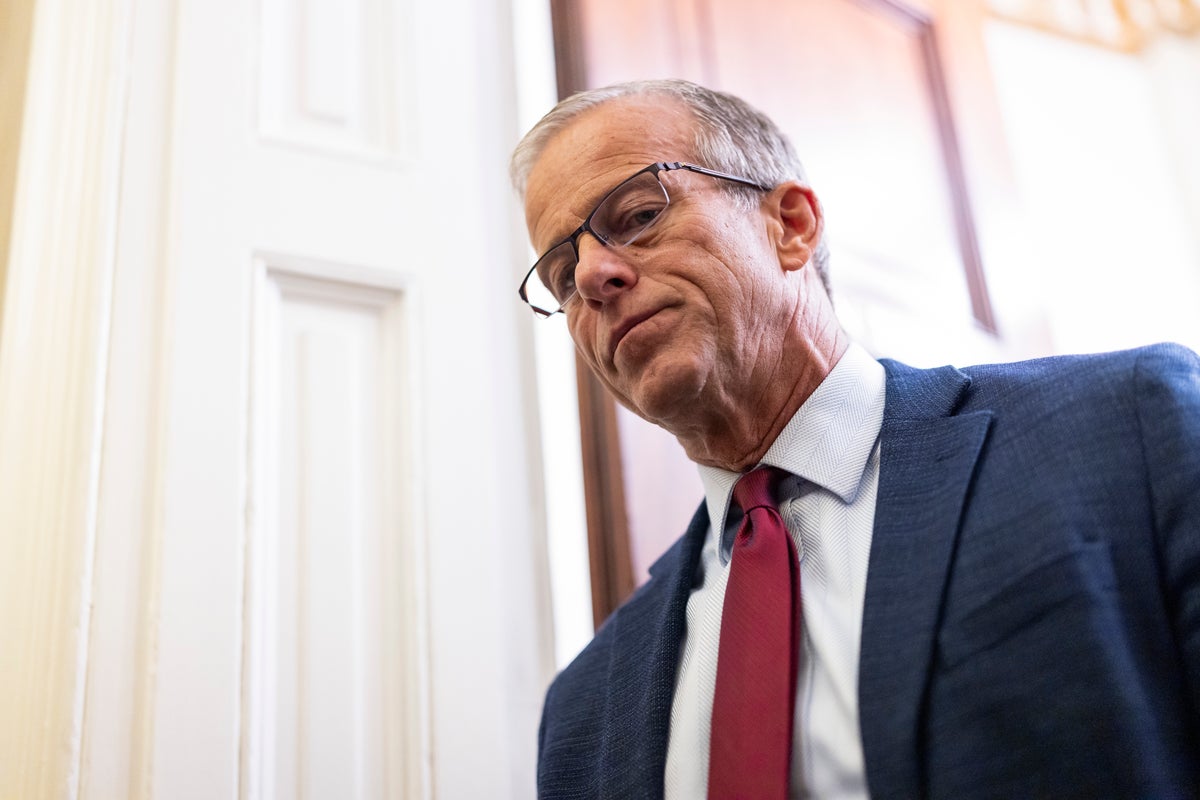
While House members flee the optics of the convention, Senate leadership navigates the tension through a different lens. John Thune’s decision to skip a formal speaking slot at the convention while still traveling to Texas illustrates the delicate dance required at the top of the legislative branch. Thune chose to bypass the podium to afford lesser-known candidates a national platform, routing his time instead toward a major fundraiser for Ken Paxton.
This pivot toward Paxton highlights the desperate arithmetic defining the upper chamber's defense. Despite initial friction between Senate leadership and Paxton during the primary cycle, the overarching fear of losing Republican control of the Senate overrides past grievances. With the majority hanging by a thread, party leaders are prioritizing raw seat retention over ideological purity.
The convention in Dallas will undoubtedly project plenty of manufactured unity under the television lights, featuring prime-time addresses from key administration figures designed to fire up the base. Yet the empty seats belonging to battleground lawmakers tell the real story of the 2026 midterms. Survival in November requires a delicate balancing act, and for a growing number of conservative candidates, the safest distance from the party leader is several hundred miles.