Imagine standing in a room heavy with grief, listening to prayers for a family member you believe has passed away, only to hear a faint sound from inside the wooden casket. It sounds impossible. It sounds like the stuff of Gothic fiction or an urban legend passed down through generations. Yet, in a quiet region of China's Guangxi Zhuang Autonomous Region, reality took a horrifyingly bizarre turn when an elderly woman woke up inside her own coffin just days before her scheduled burial.
This startling case of premature funeral preparations forces us to confront uncomfortable truths about how society handles end-of-life care, medical definitions of death, and the terrifying reality of Lazarus phenomena. While headlines love to sensationalize these rare occurrences as supernatural anomalies, science and medical protocols tell a much more sobering story. Let's break down what actually happens when someone is mistakenly declared dead and why these incidents still happen in the twenty-first century.
The Anatomy of a Mistaken Death Declaration
How does a living person end up inside a coffin? It's a question that haunts families and exposes glaring vulnerabilities in local medical infrastructure, particularly in rural areas where access to advanced diagnostic equipment is limited.
In the Guangxi incident, the woman, who was in her seventies, lived alone in a rural home. A neighbor discovered her unresponsive and seemingly without vital signs. Given her advanced age and the absence of breathing or a detectable heartbeat, she was presumed dead by those who found her. Friends and relatives quickly mobilized to construct a traditional wooden casket, placing her body inside according to local customs while they awaited grieving family members to travel for the funeral.
What the neighbors missed was a rare medical state known as apparent death or suspended animation. In these extreme scenarios, metabolic processes slow down to nearly imperceptible levels. A person's heart rate and breathing can become so faint that standard manual checks—like holding a mirror to the mouth or pressing two fingers against a wrist—fail to detect any activity.
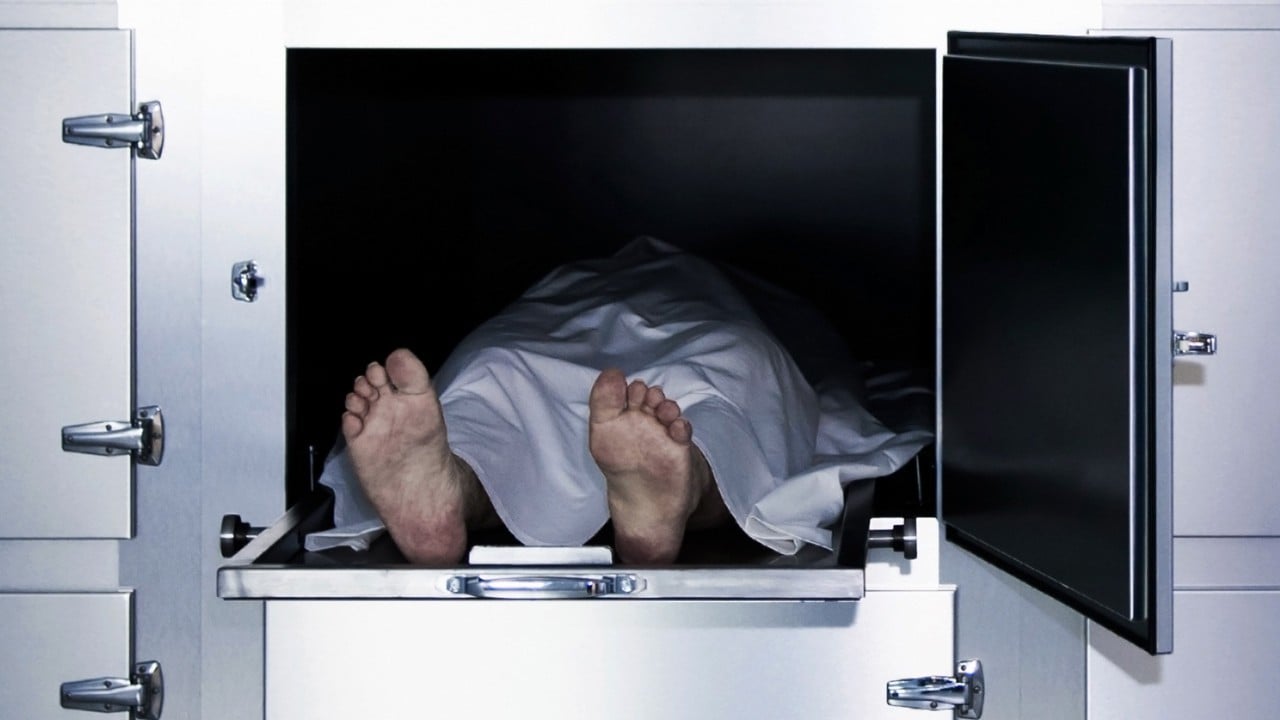
Medical professionals rely on electrocardiograms (ECGs) and electroencephalograms (EEGs) to confirm brain death and cardiac arrest. Without these tools, human error creeps in. When relatives heard sounds coming from the coffin a few days later, they opened the lid to find the woman moving. She had miraculously survived the lack of air, likely because traditional wooden coffins in these regions are rarely airtight, allowing minimal oxygen circulation.
The Grim Reality After the Miracle
The internet loves a feel-good resurrection story. People share the headlines, marvel at the resilience of the human body, and move on. But the true aftermath of being declared dead prematurely is far more complex and tragic.
In this specific case, the elderly woman's survival inside the coffin was tragically short-lived. After being rescued from the casket, she was examined, but her underlying health issues—the very ailments that caused her initial collapse—remained untreated. She passed away for good just two days later.
This brings up a harsh reality that sensationalized reports often gloss over: waking up in a coffin doesn't mean you're suddenly cured of whatever killed you in the first place. Extreme dehydration, starvation from days spent immobile in a confined wooden box, and the shock of the ordeal only accelerate bodily failure.
Families are left dealing with a devastating emotional rollercoaster. First, they process the sudden loss of a loved one. Then comes the shock of an accidental resurrection, followed by an agonizing second wave of grief just days later. It's a psychological burden that leaves deep scars on everyone involved.
Why This Keeps Happening in Rural Communities
We like to think modern medicine has solved the problem of premature burial, a fear that haunted the Victorian era so severely that people invented safety coffins equipped with bells and air tubes. Yet, cases surface every few years, almost exclusively in developing rural communities where healthcare access is scarce.
Several systemic factors contribute to these tragic mix-ups:
- Lack of certified medical personnel: In isolated villages, neighbors or elderly relatives often make the initial assessment of death rather than trained physicians.
- Absence of diagnostic technology: Basic medical tools like stethoscopes or pulse oximeters are frequently unavailable during sudden household emergencies.
- Cultural burial timelines: Rapid burial customs in certain regions mean bodies are placed in coffins quickly, sometimes leaving very little observation time to ensure life has truly ceased.
When you combine a slow metabolism caused by severe illness, hypothermia, or medication with an untrained observer, you create the perfect storm for a misdiagnosis.
Preventing Future Tragedies
Fixing this issue isn't about panicking over faulty coffins; it's about upgrading basic healthcare education and infrastructure in vulnerable regions. Local governments and health agencies need to push for mandatory professional verification before any funeral arrangements begin.
If you have elderly relatives living in remote areas, understanding the limitations of local emergency response is crucial. Advocating for proper medical evaluations, even when a person appears completely unresponsive at home, can prevent nightmarish scenarios where grieving families face the terror of hearing knocks from inside a closed casket.
We must stop treating these events as mere curiosities. They are symptoms of a healthcare gap that demands attention, empathy, and strict adherence to scientific verification standards before anyone is ever laid to rest.