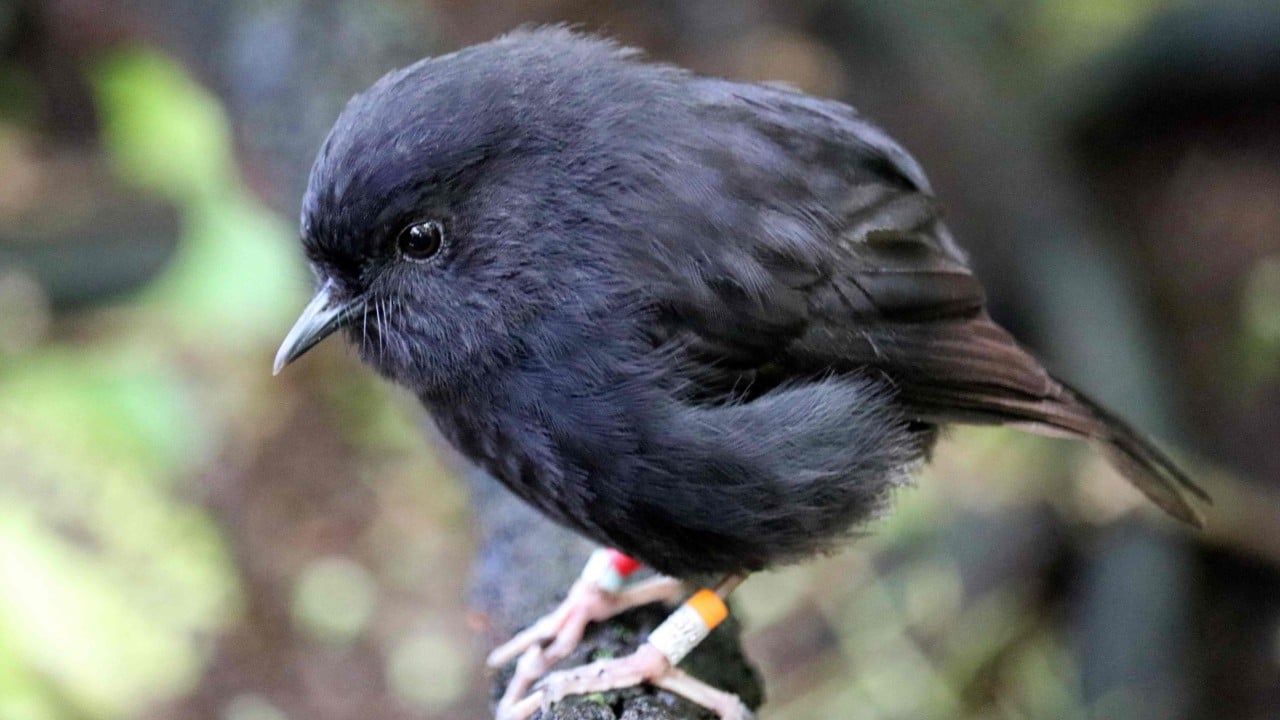
Every spring, the southern hemisphere works itself into a predictable, sentimental frenzy over a feather duster with wings. Forest and Bird rolls out the red carpet, international media outlets run heartwarming features about plucky little survivors coming back from the brink of extinction, and millions of well-meaning people cast their votes for creatures that look like they were assembled from spare parts at a taxidermy convention. The black robin takes the crown, or the kakapo gets another round of global sympathy, and everyone pats themselves on the back for saving nature via an online ballot box.
It is a brilliantly executed marketing campaign. It is also an absolute distraction from the brutal reality of actual ecological management.
I have spent years looking at how public funding, corporate sponsorship, and emotional storytelling warp environmental priorities. When conservation policy becomes a popularity contest dictated by cute eyes, awkward proportions, and aggressive social media PR firms, ecosystems lose.
Let us tear down the lazy consensus piece by piece.
The Popularity Bias is Killing Real Biodiversity
The core narrative of Bird of the Year is that celebrating high-profile endangered species drives public engagement, which translates into funding and political will for conservation across the board.
That theory sounds great in a lecture hall. In practice, it creates a starving-artist problem for the rest of the natural world.
Think about the allocation of resources. Iconic poster children like the black robin or the hihi command massive volunteer armies, dedicated trust funds, and endless airtime. Meanwhile, obscure invertebrates, subterranean fungi, and unphotogenic fish slide quietly into oblivion without a single petition or hashtag.
Conservation is not a charity telethon where you hand out cash to the most charismatic supplicant. It is triage. When a hospital emergency room spends eighty percent of its budget on a patient with a mildly sprained wrist because they have the best public relations agent, the patients in cardiac arrest die in the hallway.
The black robin recovery story, spearheaded decades ago by Don Merton on Little Mangere Island, is genuinely miraculous from a sheer genetic bottleneck standpoint. Taking a global population down to a single fertile female, Old Blue, and nursing the lineage back through sheer grit is an incredible technical achievement. But turning that specific historical triumph into an annual dopamine hit for urban voters has distorted what the public thinks conservation actually is.
People believe that if you just vote hard enough and trap enough stoats in a local suburban reserve, the crisis is handled. It is a comforting fantasy that shields voters from the hard choices required to address habitat loss, climate disruption, and industrial-scale resource extraction.
The Flawed Premise of Species Fetishism
People Also Ask: Why do certain birds win Bird of the Year while others get ignored?
The standard answer is that voters connect with personality and underdog stories. The honest answer is that human beings are deeply tribal, easily manipulated by anthropomorphism, and fundamentally lazy when it comes to systems thinking.
We love a narrative arc with a clear hero. We want the bird to be a plucky battler against the odds. When an animal fits that script—flightless, nocturnal, grumpy-looking, or historically rescued from the precipice—we project human redemption onto its feathers.
Look at the campaigns. They run like political primaries. Special interest groups lobby, memes are weaponized, foreign interference scandals break out every few years involving Russian bots or American late-night talk show hosts, and the whole exercise degrades into a meme-fueled circus.
When a contest about biological preservation turns into an internet culture war, the science takes a backseat. We stop talking about carrying capacities, nitrogen runoff, fungal pathogens, and marine food webs. Instead, we argue about whether a swamp hen deserves more clout than a fantail.
Imagine a scenario where every dollar spent on running these high-profile public voting stunts and glossy marketing pushes was instead diverted directly into raw predator-proof fencing materials or unsexy freshwater invertebrate research. The biodiversity gain would be immediate and measurable. Yet we keep funding the circus because it makes people feel virtuous on Tuesday afternoon.
The Downsides of My Contrarian Approach
Let us be completely transparent. Criticizing a beloved, harmless public tradition that raises millions of dollars for conservation groups makes you look like a cynical curmudgeon who hates joy.
Forest and Bird uses the revenue and attention generated by this event to fund core advocacy and field operations. Dismantling the event entirely would punch a hole in their fundraising funnel. I admit that. The emotional hook works, and money flows where emotion goes.
My argument is not that we should ban the contest and let the birds fend for themselves. My argument is that we need to stop pretending this PR machine is equivalent to serious environmental stewardship. When the confetti settles and the winning bird gets its digital trophy, the predators are still hunting in the dark, the forests are still fragmenting, and the invisible, un-voted-for organisms that actually hold the ecosystem together are still quietly winking out of existence.
Stop treating conservation like a reality TV elimination show. Real ecological survival is messy, expensive, unphotogenic, and entirely indifferent to your vote.


