The internet loves a clean morality play. Mainstream media feeds on the dopamine hit of pitting two massive pop acts against each other, reducing a complex financial and geopolitical ecosystem into a high school hallway drama.
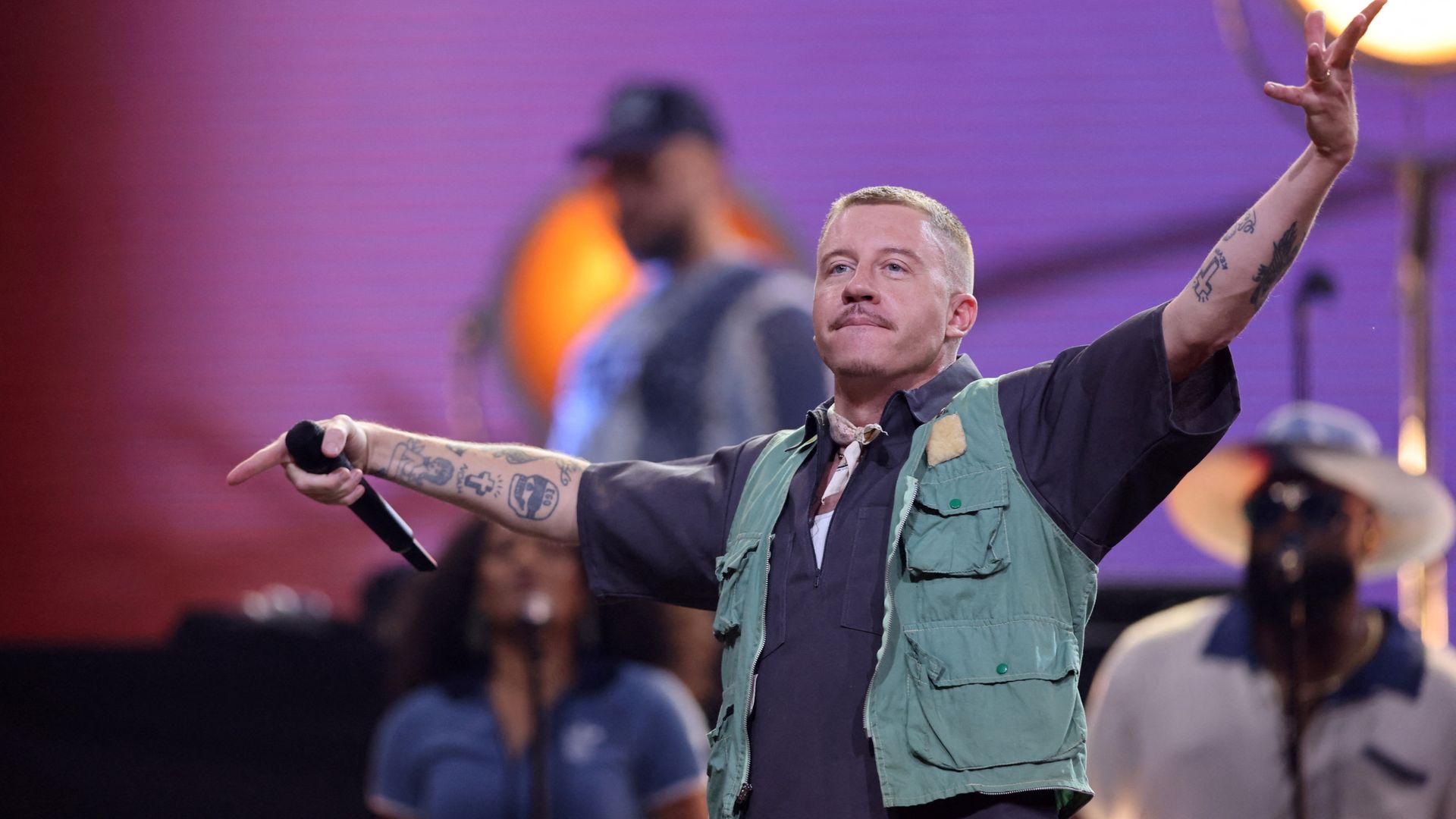
Headlines screamed that Macklemore was scrubbed from Ed Sheeran's touring orbit because of a viral "Free Palestine" stage proclamation. The lazy consensus writes itself: corporate rock bowdlerizes dissenting voices, cowardice wins, and independent artistry gets crushed beneath the boot of stadium promotion machinery.
It is a neat story. It is also entirely wrong.
If you believe Ed Sheeran woke up, checked his morning metrics, and personally uninvited an artist over a political slogan, you do not understand how modern mega-tours operate. You are staring at the magician's left hand while the right hand pockets your wallet. Stadium tours are not ideological town squares. They are multinational logistics conglomerates moving millions of dollars of insured steel, pyrotechnics, and labor across international borders under strict municipal contracts and sponsorship agreements.
I have watched promoters cancel lucrative venue holds over weather delays and parking disputes. To think a multi-million-dollar global routing schedule bends purely on the whim of personal censorship is profoundly naive. The reality of the live music business is far more transactional, and far more cynical, than your favorite outrage influencer wants you to believe.
The Myth of the Ideological Booking
Let us clear up the core misconception immediately. Pop stars at the level of Ed Sheeran do not own their lineups. Promoters, booking agencies, multinational conglomerates like Live Nation or AEG, and massive corporate insurance syndicates dictate who shares a stage.
When an artist speaks out on stage, they are not just expressing personal conscience; they are introducing unquantified risk into a touring entity that employs hundreds of people and requires tens of millions of dollars in upfront capital. Insurance underwriters do not care about poetry or protest. They care about liability.
When a tour hits a new country, local promoters, municipal authorities, and corporate sponsors hold veto power. If a government-backed venue or a major regional sponsor threatens to pull permits or advertising dollars because a supporting act turns a music festival into a geopolitical rally, the tour management faces a binary choice: absorb catastrophic financial loss or cut the liability loose.
Macklemore knew the rules of the game when he took the mic. He chose his moment for maximum impact, which is his prerogative as an artist. But pretending that his subsequent removal is a pure test of free expression ignores the brutal economic gravity of modern stadium entertainment. It was not a debate about human rights on that stage; it was a breach of contract regarding the intended scope of a commercial entertainment product.
Follow the Paper Trail, Not the Press Release
People love to ask whether artists are being silenced for their beliefs. That is the wrong question entirely. The right question is: who absorbs the financial blow when art collides with corporate sponsorship?
Let us look at how festival lineups and supporting acts are structured. An opener on a tour of that magnitude is typically locked into a rigid rider. Every minute of stage time is accounted for. Every visual element is vetted. When an artist goes off-script, they violate the commercial trust between the headliner, the promoter, and the ticket buyer who paid to see a specific concert, not an impromptu rally.
Critics argue that silencing artists destroys culture. I argue that pretending pop concerts are revolutionary organizing spaces destroys independent thought.
If you want to support Palestinian solidarity, buying a ticket to a pop concert where the opener shouts a slogan is the least effective, most bourgeois form of activism available. It allows the audience to feel radical while enriching the exact same corporate entertainment complex that funds the global economy they claim to oppose. True structural disruption does not happen between the third and fourth songs of a pop setlist sponsored by multinational beverage brands.
The Economics of Safe Entertainment
We need to talk about the illusion of independent rebellion in mainstream spaces. Macklemore built an incredible career on independent distribution models and direct-to-fan engagement. He proved you do not need a major label to sell records. Yet, when an artist reaches the stadium circuit, they are entering a closed loop designed to minimize variance and maximize predictability.
Variance is the enemy of profit. A surprise political outburst introduces maximum variance.
When management teams prune a lineup, they are not acting as moral arbiters. They are acting as risk mitigators. If a festival in Europe or a venue in a politically sensitive market threatens to cancel an entire night, the promoter's legal obligation is to protect the tour's viability, not to defend an opener's right to test the boundaries of their contract.
The public screams about censorship because outrage is addictive. The media amplifies it because friction generates clicks. Meanwhile, the tour moves to the next city, the insurance policies clear, and the cash registers keep ringing.
Stop looking for martyrs in arenas built for thousands of people. True dissent does not need a stadium sound system to be heard.