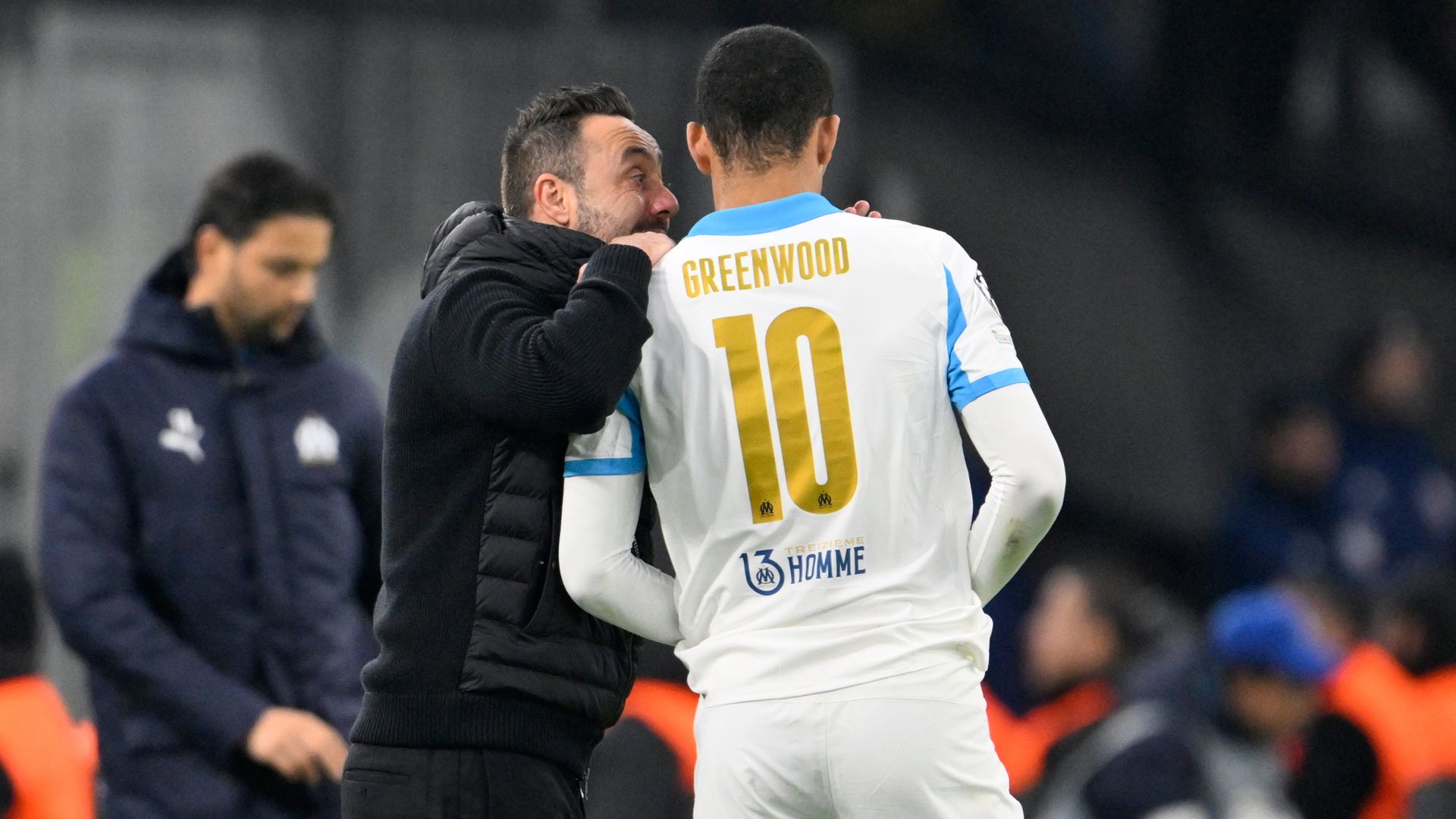
Ange Postecoglou didn't take long to realize that every word carries a different weight in the Premier League. The new Spurs boss found himself in hot water before the season even hit its stride. It wasn't about a tactical error or a bad signing. It was about Mason Greenwood. When you're managing a club of Tottenham's stature, "off the cuff" remarks about sensitive legal and social issues don't just fade away. They explode.
The Australian coach had to issue a formal apology after comments he made regarding the Manchester United forward were interpreted as dismissive of the gravity of the situation. People expected a firm stance. Instead, they got something that felt a bit too casual for a topic involving attempted rape and assault charges—even if those charges were eventually dropped by the Crown Prosecution Service.
Why the Postecoglou apology was necessary
Context is everything in football. Postecoglou was asked about the Greenwood situation during a press conference, and his response leaned heavily on the idea of "second chances" and the fallibility of young people. On paper, that sounds like a typical "football man" answer. In reality, it ignored the massive internal and external backlash Manchester United faced from their own staff and female fan base.
Tottenham fans weren't having it. The club has worked hard to build an inclusive image, and having the new face of the team sound lukewarm on gender-based violence was a PR nightmare. He had to pivot. Fast. Postecoglou admitted his choice of words was poor and that he didn't intend to minimize the seriousness of the allegations or the impact on victims.
It’s a classic case of a manager coming from leagues where the media scrutiny is intense but perhaps less focused on the intersection of sport and social justice. In Glasgow or Yokohama, you might get away with a "let's talk about the football" deflection. In London, in the current climate, that's a non-starter.
The Mason Greenwood shadow over the Premier League
The Greenwood case has become a litmus test for how modern clubs handle crisis management. When the charges were dropped in February 2023 because key witnesses withdrew their cooperation, it didn't mean the evidence disappeared from the public consciousness. We all heard the audio. We all saw the photos.
That’s why Postecoglou’s initial "who among us hasn't made a mistake" vibe felt so tone-deaf. This wasn't about a player being late for training or getting caught with a drink in his hand at 2 AM. This was about a fundamental shift in how we view the responsibility of athletes as role models.
- Manchester United's internal investigation lasted months.
- The club faced threats of protests from season ticket holders.
- Female players at the club were reportedly uneasy about a potential return.
When Postecoglou spoke, he seemed to be looking at it through the narrow lens of a coach wanting to see talent on the pitch. But a manager at this level is also a spokesperson for a billion-dollar brand. He learned that lesson the hard way.
Dealing with the fallout in the dressing room
You can't just apologize to the cameras and expect the problem to vanish. A modern dressing room is a diverse place. There are players with daughters, sisters, and wives who have very strong feelings about these issues. If the gaffer sounds like he's brushing off domestic abuse allegations, he risks losing the respect of his own squad before he's even picked his first starting XI.
Postecoglou’s apology was as much for his players as it was for the fans. He needed to show that he understands the values of the community he now represents. He’s known for being a "straight shooter," a guy who doesn't do fluff. But being direct only works if you're directed toward the right target.
The danger of the second chance narrative
Sports loves a redemption story. We’re suckers for the "troubled kid makes good" trope. But the Greenwood situation doesn't fit that mold for a lot of people. There's a fine line between forgiveness and institutional blindness.
Postecoglou stumbled over that line. By framing it as a "mistake" or a "lapse in judgment," he accidentally sided with a narrative that many find offensive. His apology had to be surgical. He had to acknowledge that some things are bigger than the game. He basically had to admit he didn't do his homework on the specifics of the public's reaction before opening his mouth.
How Spurs fans reacted to the backtrack
Tottenham supporters are a vocal bunch. They’ve been through enough drama with managerial carousels and trophy droughts; they didn't need a moral crisis on top of it. The social media reaction was swift. Supporters' groups made it clear that "Big Ange" needed to clarify his position if he wanted their full backing.
The apology seems to have done the trick for now. It was seen as sincere enough to move the conversation back to the pitch, but the "new guy" honeymoon phase definitely took a hit. It served as a reminder that the Premier League isn't just a football competition. It’s a cultural soap opera where your views on ethics are just as scrutinized as your 4-3-3 formation.
What this teaches other managers
If you're a manager moving into a top-tier job, you need a briefing that goes beyond the scouting reports. You need to know the "third rail" issues. Mason Greenwood is a third rail.
- Never assume the "football" answer is the "safe" answer.
- Understand the specific history of the club's relationship with its community.
- Realize that "second chances" is a loaded phrase in the context of criminal allegations.
Postecoglou is an intelligent man. He’s a great communicator. But even the best talkers can get tripped up when they underestimate the gravity of a situation. He won’t make that mistake again. He’s now seen exactly how fast the ground can shift under his feet.
The focus now shifts back to how he sets up his team, but the shadow of those comments will linger in the archives. Every time a similar controversy pops up in the league, someone will dig up his original quotes. That’s the digital age. Nothing is ever truly deleted. He’s lucky he corrected course when he did.
Moving forward, the best thing Postecoglou can do is stick to what he knows best while showing he’s capable of listening. He’s shown he can admit when he’s wrong, which is actually a rare trait in the ego-driven world of elite coaching. Now he needs to prove that his football is as loud as his press conferences used to be. Keep your eyes on the next few pre-match briefings. They’ll likely be much more focused on the ball and much less on the legal system.