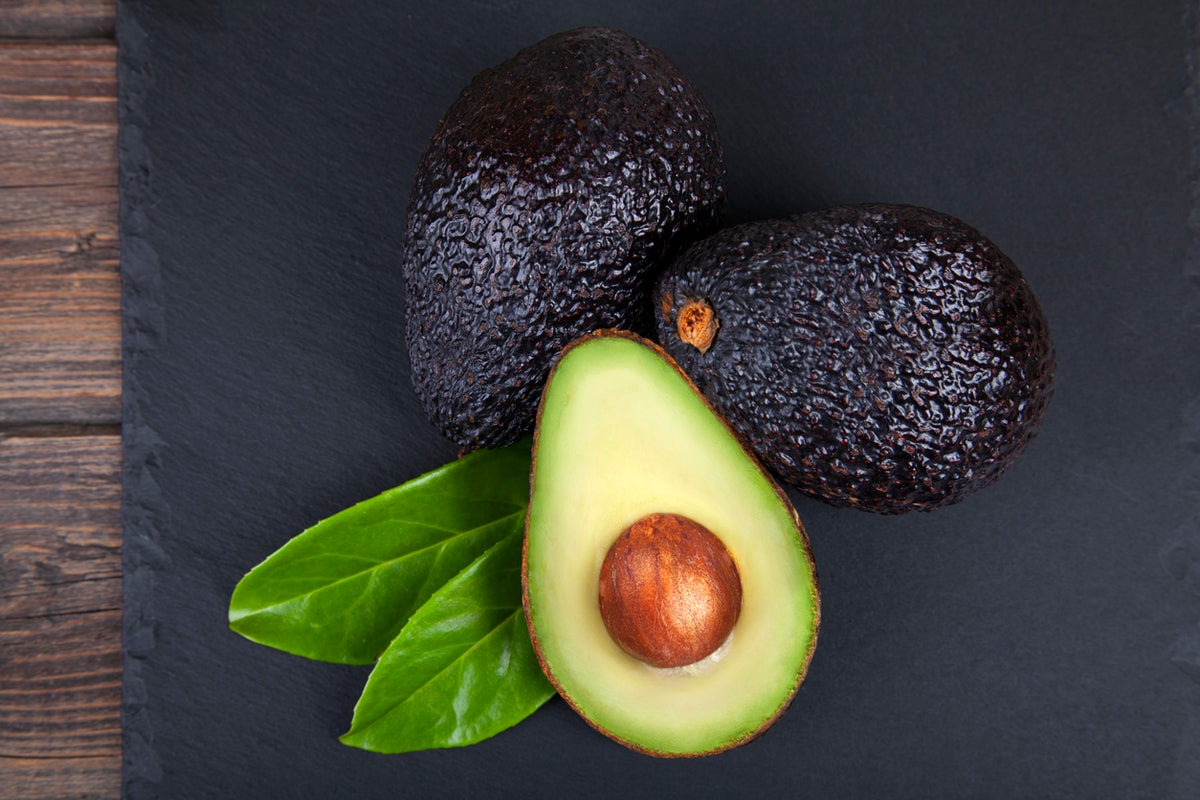
You can't walk into a grocery store today without tripping over a mountain of green avocados. But back in 2016, a quiet trade shift happened that turned this bumpy fruit into an absolute economic heavyweight.
Most people missed it. Trade policy sounds boring. Bureaucrats arguing over phytosanitary certificates rarely makes prime-time news. Yet, the 2016 US Mexico avocado agreement rewrote the rules for how food crosses international borders.
If you want to understand modern trade negotiations, you have to look at guacamole.
The strict border rules nobody talks about
Fresh produce isn't just shipped across lines like shipping containers full of shoes. It rots. Bugs hitchhike on leaves. Diseases wipe out entire domestic crops.
Before the 2016 agreement, getting avocados from Michoacán into the United States was an operational nightmare. USDA inspectors were stationed directly in Mexican packing houses. Every single truck faced rigorous testing.
Critics said it was protectionism disguised as safety. Proponents said it kept American orchards safe from pests like the avocado seed weevil.
When the rules updated in 2016, the United States expanded the authorization for Mexican imports to enter all 50 states year-round, backed by streamlined inspection protocols agreed upon by both governments.
That operational shift did something wild. It proved that supply chains could scale globally without completely abandoning agricultural safety standards.
Why food trade is different from tech trade
Tech is software. You can push a button and update an app in Tokyo from an office in Austin.
Agro-trade is messy. It involves dirt, weather, and perishable goods.
When the US and Mexico hashed out the details back then, they created a blueprint for perishable goods logistics. They built a system of traceability. If a batch of fruit went bad or triggered a safety alert, supply chain managers could trace it back to the specific orchard in Mexico within hours.
That framework laid the groundwork for how modern agricultural trade deals handle risk today.
Most negotiators treat every industry the same. They don't work. Avocados taught trade lawyers a harsh lesson. You have to design policy around the shelf life of the product.
The economic ripple effect
Let's look at the numbers. In the early 2000s, US avocado consumption was barely two pounds per person annually. Today? It sits well over eight pounds per person.
The 2016 deal acted as the rocket fuel for this growth. It guaranteed supply stability. Restaurants, from local taco trucks to massive chains like Chipotle, knew they wouldn't run out of inventory.
Prices stabilized. Supply became predictable.
Critics argued this hurt domestic growers in California and Florida. And honestly, it did squeeze smaller local farmers who couldn't compete with the sheer volume coming out of Michoacán. That tension is real. Trade winners and losers always exist.
Ignoring the losers is how you get populist backlash against globalization. Future negotiators learned they had to bake regional support mechanisms into these agreements.
What modern trade talks miss
If you are watching current trade policy debates, you notice a strange habit. Politicians love talking about tariffs. Tariffs are sexy. Tariffs make good headlines.
Tariffs aren't the real bottleneck anymore. Red tape is.
The 2016 avocado pact succeeded because it focused on administrative friction. It digitized paperwork. It standardized inspection windows. It cut down the days a truck sat idling at the border.
If you want to fix supply chains tomorrow, stop arguing about tax percentages. Start looking at how fast a customs agent can clear a pallet of perishable goods.
Taking action on trade trends
If you're studying global trade, supply chain management, or international business, stop reading textbook theories. Look at real commodity flows.
Track an avocado from a tree in Michoacán to a distribution center in Chicago. You will learn more about modern geopolitics, labor shortages, and logistics in one afternoon than a semester of lectures will teach you.
Examine the bottlenecks in your own industry. Look where bureaucracy slows down movement. Simplify those touchpoints. That's how real trade progress happens.