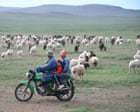
A farmer in Inner Mongolia recently posted a simple help-wanted ad. He needed two herders to help him manage a flock of 3,000 sheep. He expected local villagers or seasonal farmhands to apply. Instead, his phone blew up with inquiries from university graduates, factory laborers, and exhausted white-collar corporate employees.
They didn't want corporate promotions. They wanted to herd sheep.
This isn't a joke or a temporary internet meme. It's a direct symptom of the profound exhaustion rattling through China's corporate world. For years, the tech and corporate sectors relied on the brutal 996 work schedule. That means working from 9:00 AM to 9:00 PM, six days a week. It equals a crushing 72-hour workweek.
Now, the math is failing the people.
Young professionals are realizing that the promised upward mobility of the corporate climb isn't worth the mental and physical toll. The trend of fleeing to the grasslands highlights a massive cultural shift. It's the ultimate rejection of modern office hyper-competition, locally known as neijuan or involution.
The False Promise of the Corporate Grind
The tech boom of the last two decades created a narrative that extreme sacrifice equaled extreme wealth. Corporate tycoons openly praised the 996 schedule. They called it a blessing. Employees bought in, sacrificing their sleep, relationships, and health for a shot at financial freedom.
But things changed. Market shifts, regulatory crackdowns, and a slowing economy transformed that blessing into a trap. High-paying corporate jobs no longer feel secure. Instead of guaranteed wealth, workers get intense anxiety, age discrimination after turning 35, and constant performance reviews.
The physical consequences are real. Research by the World Health Organization shows that long working hours cause a drastic increase in ischemic heart disease and stroke. In China, reports of urban workers suffering from chronic fatigue, sleep disorders, and sudden overwork deaths are no longer isolated incidents. The tech sector has built a system where your career path can literally lead to the intensive care unit.
When you spend 12 hours a day staring at spreadsheet rows under harsh fluorescent lights, a remote pasture looks less like primitive labor and more like paradise.
Why Herding Sheep Wins Over Writing Code
To an outsider, trading a laptop for a shepherd’s crook sounds romanticized and deeply naive. Herding sheep is hard work. It involves harsh weather, physical isolation, dust, and unpredictable animal behavior. Yet, for a burned-out software engineer or marketing manager, the challenges of rural farming possess a major advantage over corporate life.
- Tangible Results: In an office, you build abstract products, tweak slide decks, or optimize ad algorithms. You rarely see the real-world impact of your labor. On the grasslands, success is simple. The sheep are fed, they're safe, and they're growing. The feedback loop is immediate and clear.
- Mental Quiet: Corporate life demands constant connectivity. Messages arrive on WeChat at midnight. Project requirements pivot every afternoon. Herding requires focus, but it doesn't require constant mental panic. The wind blows, the grass grows, and the animals move. Your mind finally gets a chance to rest.
- An Escape From Involution: In the city, you aren't just competing against deadlines. You're competing against colleagues who will work longer hours for less pay just to survive. In a pasture, the concept of neijuan disappears. You can't out-compete a mountain or a flock of sheep by staying up until midnight doing unnecessary paperwork.
This shift isn't about laziness. These workers possess plenty of drive. They simply refuse to pour their energy into an ecosystem that offers zero psychological return.
The Reality of the Rural Escape
Before you pack a bag and buy a one-way ticket to Hohhot, look at the reality of the situation. Rural life isn't an easy vacation. The romantic vision of sitting on a hillside playing a flute while fluffy sheep graze peacefully is a myth.
The daily reality involves cleaning pens, dealing with extreme temperature swings, and providing medical care to sick animals. The isolation can be intense. There are no coffee shops, fast delivery services, or vibrant weekend social scenes. You exchange the crowded subway for miles of empty space. For some, that space feels liberating. For others, it quickly becomes incredibly lonely.
Furthermore, the local economy operates on vastly different financial scales. A shepherd's wage won't pay off an apartment mortgage in Beijing or Shanghai. It won't fund a luxury lifestyle. It provides basic sustenance and shelter. The workers applying for these jobs aren't looking to maximize their bank accounts. They are actively trading financial wealth for mental survival. They're choosing a lower standard of living to achieve a higher quality of life.
How to Audit Your Burnout Without Fleeing to the Grasslands
You don't have to move to Inner Mongolia to fix a toxic relationship with your job. Before making a drastic, life-altering career pivot, take practical steps to reassess your current corporate situation.
- Track Your Energy, Not Just Your Hours: Spend one week logging your daily tasks. Identify exactly which activities drain your energy and which ones feel rewarding. If 90% of your day involves meaningless bureaucratic tasks, it's the corporate structure causing your misery, not the work itself.
- Establish Hard Boundaries: Stop answering non-urgent messages after hours. Start small. Turn off notifications at 7:00 PM. Test the boundaries of your workplace. Often, the pressure to be constantly available is self-imposed out of fear rather than a strict corporate requirement.
- Explore the Middle Ground: You don't have to choose between a 72-hour corporate week and a remote farm. Look for roles in traditional industries, mid-sized firms, or companies with strict work-life balance policies. The pay might drop, but your health will stabilize.
- Build a Financial Runway: If you truly want to exit the corporate world, give yourself a safety net. Calculate your absolute minimum monthly living expenses. Save at least six to twelve months of that amount before making a transition. Having a financial cushion prevents you from jumping into another desperate situation out of financial panic.
The surge of interest in a shepherd's life isn't a quirky trend. It's a loud warning sign. When the brightest minds of a generation look at a grueling agricultural job and see a luxury alternative to their current careers, the corporate system is broken. You don't need to herd sheep to reclaim your life, but you do need to stop pretending that a toxic job will eventually reward your suffering.