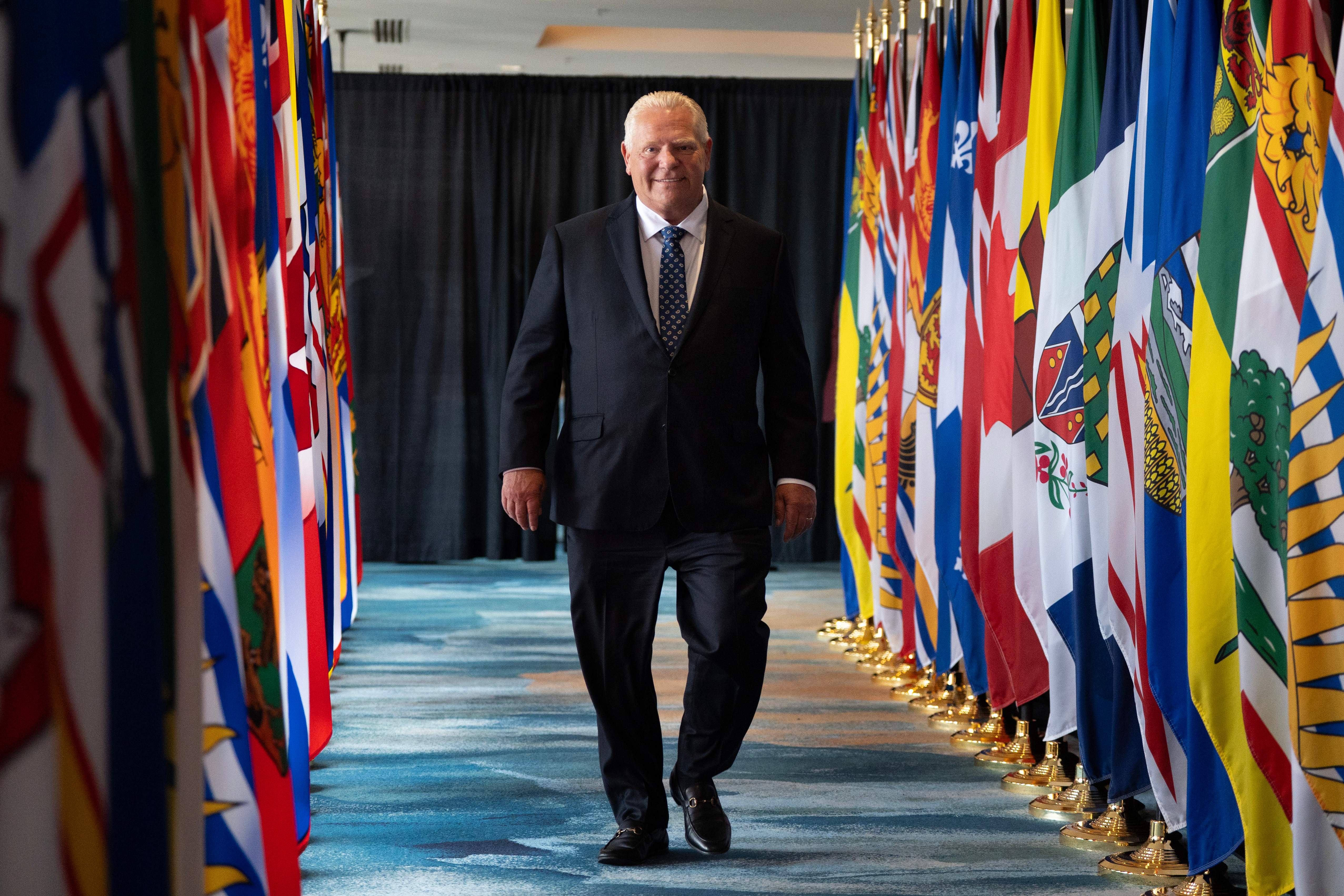
The marble floors of Queen’s Park have a way of carrying noise. Walk down the west wing late on a Tuesday afternoon, and the echo of dress shoes on stone sounds like a heartbeat. But when a political party begins to split from the inside, the loudest sounds aren't the raised voices in committee rooms. They are the sudden, dead-silent pauses in the hallway when a colleague walks past.
That silence was heavy in Ontario's legislature when news of the hotel spending scandal broke.
On paper, the headline was standard political fare: members of the Progressive Conservative caucus were at odds over lavish hotel expenses incurred during official business. Receipts had surfaced. Numbers were crunched. News outlets ran the totals.
To the average person checking their phone on the bus ride home, it looked like another predictable chapter in government waste. But behind the doors of the party rooms, the crisis wasn't about the dollar figures on paper. It was about a deep, fracturing divide between two very different ideas of what public service is supposed to look like.
The Receipts on the Counter
Imagine a tax accountant sitting at a kitchen table in London, Ontario. Let's call her Sarah—a hypothetical voter, but one who represents millions of real people currently staring at their own monthly budgets.
Sarah tracks every line item. She knows down to the cent what a gallon of milk costs, how much her utility bill jumped this winter, and what happens when you spend money you don't have. When Sarah sees an expense report for a high-end luxury hotel suite claimed by an elected official, she doesn't calculate the cost against the province's multi-billion-dollar annual budget.
She calculates it against her own groceries.
That is where the political damage truly lives. A million-dollar policy error in a complex infrastructure contract can fly right over the public's head. But a three-night stay in a penthouse with a four-figure nightly price tag? That hits directly in the gut. It is understandable. It is visceral.
Inside the Progressive Conservative caucus, that realization hit like a cold bucket of water.
Two Parties Under One Name
The rift that opened wasn't just between rivals; it was a generational and ideological line drawn right down the center of the room.
On one side stood the pragmatists and party veterans. Their perspective was grounded in the unwritten rules of institutional politics: travel is part of the job, high-level meetings require appropriate venues, and public exposure is simply the cost of doing business in the modern era. To them, the outcry was an overblown media storm, a temporary distraction that would blow over once the next news cycle took hold.
On the other side sat backbenchers and representatives from rural ridings—politicians who have to face their neighbors at the local diner every Saturday morning.
For these members, the receipts weren't just an embarrassment. They were a betrayal of the core promise they made to their constituents. How do you stand on a stage in rural Ontario and talk about fiscal discipline when your own party members are charging luxury accommodations to the public dime?
The tension in internal caucus meetings grew sharp. Doors closed. Voices were kept low, but the hostility was unmistakable. Backbenchers demanded accountability and stricter oversight, while party leadership attempted to manage the fallout and protect the brand.
It was a classic collision: the cold machinery of political self-preservation bumping hard against the raw reality of public trust.
The True Currency of Governance
Trust is an invisible substance, but it carries immense weight. You don't notice it when it's there. You only feel its absence when everything starts to fall apart.
When an administration asks taxpayers to accept belt-tightening, public sacrifices, or tough economic choices, it relies entirely on a bank of goodwill. Every excessive receipt, every defense of an unjustifiable expense, subtracts from that account.
Consider what happens next: a government loses its moral authority to ask for patience from the public. When the people paying the bills feel mockingly overlooked, the policy arguments no longer matter. The numbers cease to convince. The optics become the reality.
The hotel spending scandal was never really about rooms or room service. It was about the distance that quietly grows between those who govern and those who are governed. It showed how easily a political movement can lose touch with the everyday struggles of the people who put them in power.
Late in the evening, after the cameras are packed away and the reporters have cleared the foyer, Queen’s Park grows quiet again. The marble floors stay cold. The receipts remain filed away in binder sleeves. But in the offices along the corridors, the questions linger, waiting for the next time the public is asked to pay the bill.


