Rain on stone sounds different in London than anywhere else. It is heavier, older, carrying the weight of centuries of polished pavement and hurried footsteps. When a car door opens outside a hotel in Mayfair or near the gates of a royal estate, the air shifts before anyone even steps out.
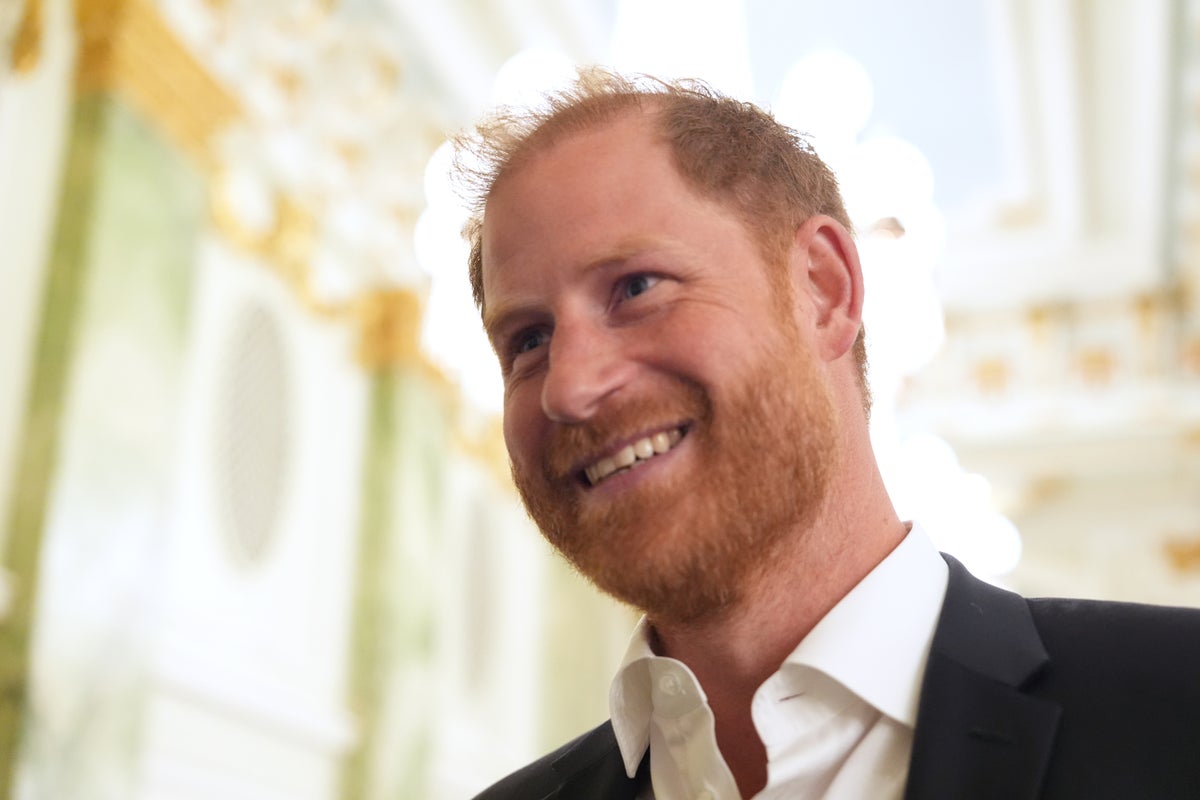
Prince Harry is back in the United Kingdom again.
The headlines write themselves before his plane touches the tarmac. Commentators parse the millimeter distance between security protocols, the exact timing of diary leaks, the subtle phrasing of official statements issued by warring public relations teams. Everyone wants a binary outcome. Will they meet? Will they reconcile? Will the brothers stand in the same room and undo the bitter architecture of the past few years?
That is the wrong question.
To look at this through the lens of a Hollywood script or a corporate merger is to miss the entire machinery of human stubbornness. Grief does not operate on a press schedule. Family wounds, once exposed to the harsh light of global media, do not heal simply because someone bought a plane ticket across the Atlantic.
Consider what happens when two people who shared a nursery, a mother's tragic loss, and a gilded cage grow up to inhabit completely different realities. They are no longer just brothers. They are institutions unto themselves. Every glance, every delayed text message, every calculated silence is weighed, measured, and weaponized by millions of strangers.
I know something about family fractures. We all do, on some scale. Most of us are lucky enough to fight our battles behind closed curtains, where slammed doors echo only down carpeted hallways and time can quietly erode the sharp edges of anger. We can bump into each other at a cousin's wedding, awkward and sweating through our collars, and decide to start over over a lukewarm beer.
There is no lukewarm beer for Windsor men. There are only draft manifestos, leaked text messages, and centuries-old protocols that treat human emotion as a secondary operational concern.
When Harry walks through London streets now, the ghosts walk with him. Diana is everywhere in this city. Her memory is baked into the limestone facades, the flash of paparazzi bulbs, the suffocating press scrum that chased yellow cabs down dark tunnels. Harry left because he believed, rightly or wrongly, that the machine that consumed his mother was coming for his wife next. You do not simply walk away from that kind of fear and return for a cup of tea without the air thickening with unspoken accusations.
Prince William stands on the other side of that chasm. He stayed. He took the mantle, bowed his head, absorbed the duty, and accepted the crown's heavy inheritance as a shield and a prison. To William, Harry's departure was not just a lifestyle choice. It was an abandonment of the post. It was a rejection of the shared burden they had promised to carry side by side when they walked behind a gun carriage as boys.
Can they rebuild their relationship?
The answer is yes, but not the way the public wants them to.
If they reconcile, it will not happen under the blinding glare of television cameras or during a carefully staged forty-five-minute summit arranged by private secretaries. It will happen in the quiet, terrifying dark. It will require both men to drop the armor they have worn since childhood. It will require William to acknowledge the suffocating nature of the institution he serves, and Harry to acknowledge the profound sting of leaving his brother to hold the line alone.
Right now, the door is merely cracked.
Every time Harry returns to British soil for a charity event, a court case, or a fleeting visit, that door trembles on its hinges. The press treats each trip as a referendum on brotherhood. But brotherhood is not a referendum. It is a slow, grinding reclamation project.
The rain continues to fall on the London pavement. Somewhere behind heavy oak doors and armed guards, two men who once knew every secret the other possessed are sitting miles apart, staring at phones they refuse to pick up. Or perhaps, just perhaps, looking out a window at the same gray sky, wondering who will finally be brave enough to cross an empty room.

.webp)