A heavy oak door closes in a quiet hallway in Cambridge. Outside, the stone is cold, worn down by centuries of footsteps, whispers, and ambitions. Inside, a committee deliberates.
We often imagine institutions of higher learning as immaculate temples of pure thought, untouched by the messy gravity of human politics. We picture scholars moving effortlessly through vaulted corridors, guided only by the search for truth. But academia is built by people. And people carry baggage. Ambition, fear, rivalry, and politics walk the halls just as surely as caps and gowns.
Consider what happens when a career—and a reputation—hangs in the balance.
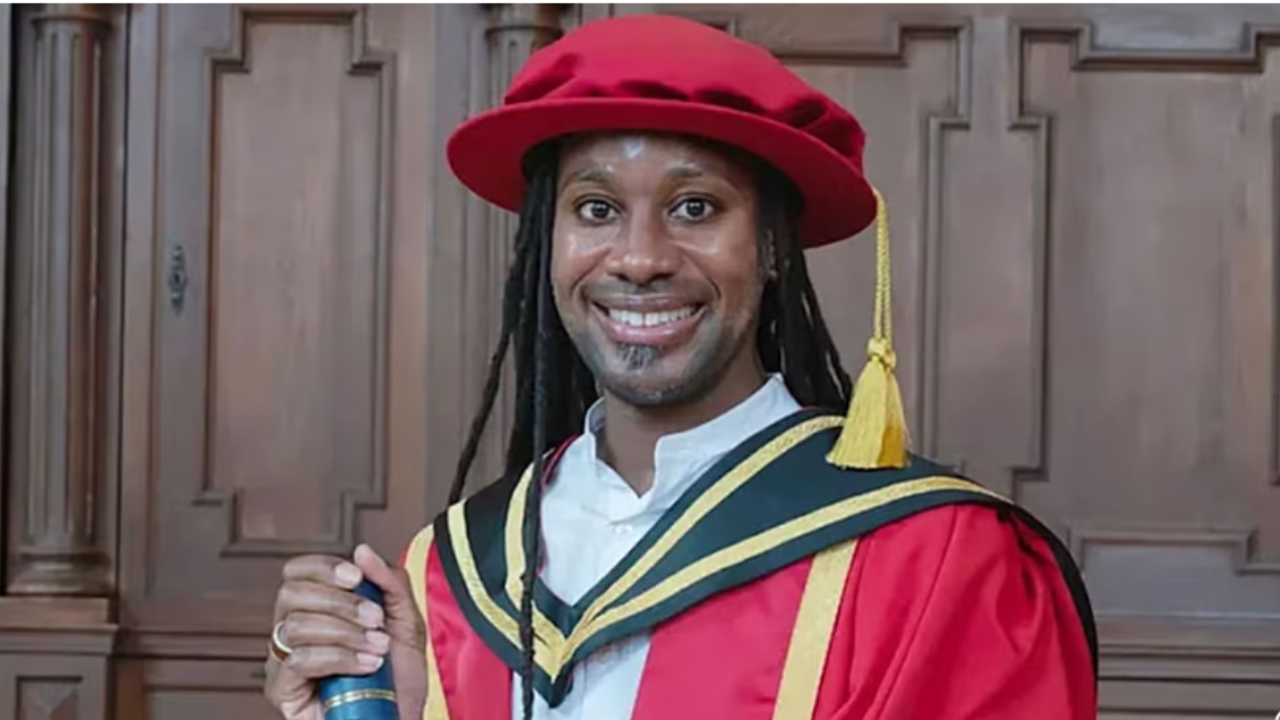
The focus of recent scrutiny at the University of Cambridge has been Professor Jason Arday. His journey to a professorship at one of the world's most prestigious universities is a matter of public record. He taught himself sign language. He learned to read and write late in his youth. He climbed through the ranks of academia with an unrelenting work ethic, eventually becoming one of the youngest Black professors in British history.
Then came the questions.
In a world driven by scrutiny, academic writing faces microscopic inspection. Allegations surfaced regarding earlier publications. Questions of attribution arose. For a time, the university launched a formal inquiry. Headlines flashed across screens. Speculation mounted. In the digital age, a controversy can be manufactured, escalated, and judged in a matter of hours, long before the facts have even finished lacing their boots.
Transparency matters. Integrity in research is the bedrock of science and humanities alike. Without trust, scholarship collapses into opinion.
Yet, nuance matters too.
Cambridge recently narrowed its investigation. The specific focus on plagiarism allegations was dropped. The inquiry shifted, pruned down by institutional review boards examining the finer points of academic protocol rather than severe misconduct.
Let us be clear about what this means. It does not mean perfection. It means that after a rigorous examination of the texts, the evidence did not sustain the heavier accusations. It means the line between careless citation and intellectual theft was drawn, evaluated, and found to fall on the side of administrative review rather than dismissal.
Why does this story grip us?
Because we project our own anxieties onto figures who achieve the extraordinary. When someone climbs high, the desire to watch them stumble is a quiet, persistent undercurrent in modern culture. We love a rise. We secretly brace for the fall. When the investigation began, the narrative threatened to become a morality play about shortcuts and merit. Now that the inquiry has narrowed and the plagiarism focus has dropped, the narrative forces us into a more uncomfortable space.
Ambiguity.
Life rarely hands us clean heroes or definitive villains. Most of us live in the messy middle, trying our best, making mistakes, correcting course, hoping our worst moments do not become permanent headlines.
Think of the office desk where Arday sat to write his papers. Imagine the late nights, the glow of a computer screen in a darkened room, the coffee turning cold, the sheer weight of trying to prove oneself in a space that historically was never designed for someone with a background like his.
When you break barriers, you carry a double burden. You carry your own work, and you carry the invisible weight of representing an entire group. If you stumble, critics do not just see a mistake; they see validation of their doubts. That is the invisible tax of breaking molds.
The university's inquiry has narrowed. The noise will eventually fade, replaced by new scandals, new headlines, and new digital storms. But the books remain. The scholarship continues.
The heavy oak door opens again. The committee steps out. The hallway is quiet once more, save for the sound of footsteps fading into stone.