Your local water treatment plant is probably way less secure than you think. Right now, federal investigators are scrambling to figure out who is breaking into municipal water utilities across the United States.
Michigan just joined Minnesota in reporting active cyberattacks on local water systems. We are looking at at least nine impacted water systems in Michigan and over thirty in Minnesota. The FBI is on the case, but the panic is already spreading.
Let's break down what's actually happening, why local infrastructure remains a sitting duck, and what this means for public safety.
The Reality of the Attacks on Local Utilities
You might picture a hacker sitting in a dark room typing code to blow up a city dam. Reality is a bit more boring, but honestly, much more common.
Most of these breaches target operational technology. This is the hardware and software used to remotely monitor and control equipment like pumps, valves, and chemical levels.
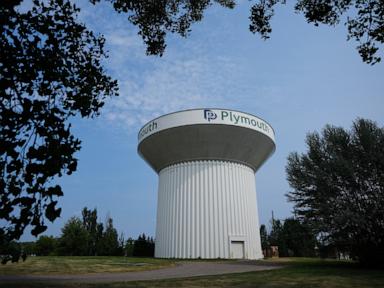
In places like Braham, Minnesota, attackers shut down the operating controls for the local well and treatment plant. The city had to rely solely on water stored in the local water tower while operators scrambled to fix the issue. In Plymouth, Minnesota, communications for water infrastructure went dark before technicians restored safety measures.
In Michigan, state officials confirmed that nine different community water systems experienced malicious activity matching federal threat advisories. Dale George, communications director for Michigan's Department of Environment, Great Lakes, and Energy, noted that local operators caught the issues quickly. Public health was never compromised.
Still, getting locked out of your own water plant is terrifying.
Who Is Behind the Cyber Assaults?
Federal agencies like the FBI and the Cybersecurity and Infrastructure Security Agency released joint warnings pointing fingers at state-sponsored actors. Specifically, intelligence points toward Iranian hacker groups targeting water and wastewater systems globally.
Iran has a history of probing American critical infrastructure. Back in 2016, federal prosecutors charged Iranian hackers tied to an intrusion attempt on a small dam near New York City.
Yet, politicians are already turning these hacks into a political football. During a recent cabinet meeting, debates erupted over whether state mismanagement or foreign hostility caused the breaches. Pointing fingers doesn't fix a broken firewall.
Investigators are also looking into whether malicious groups are using false flags to make it look like Iran is responsible, muddying the waters for cyber detectives.
Why Small Municipalities Keep Getting Hacked
Small towns don't have multi-million-dollar cybersecurity budgets. That is the ugly truth of American municipal infrastructure.
A town of two thousand people cannot afford enterprise-grade security architecture or twenty-four-hour IT monitoring teams. They run on legacy software, outdated operating systems, and default passwords.
When you connect an old water pump to the internet so an operator can check it from a smartphone, you leave a door wide open. Hackers know this. They scan for exposed industrial control systems using automated scripts, finding soft targets in rural states within seconds.
The gap between high-end corporate cybersecurity and small-town public utilities is massive. Until federal funding bridges that gap, water facilities will stay vulnerable.
Protecting Public Infrastructure Moving Forward
Fixing this mess requires a complete shift in how local governments handle digital defense. We can't rely on overworked local operators to double as cybersecurity experts.
States need centralized security monitoring programs. Small utilities must isolate their operational technology from the public internet entirely, or at least enforce strict multi-factor authentication.
If you live in a municipality served by a small water district, ask your local leaders what kind of security audits they perform. Real resilience starts at the local level. Check your city council meeting agendas, push for IT budget transparency, and make sure your community treats water security as a physical safety priority, not just an IT afterthought.