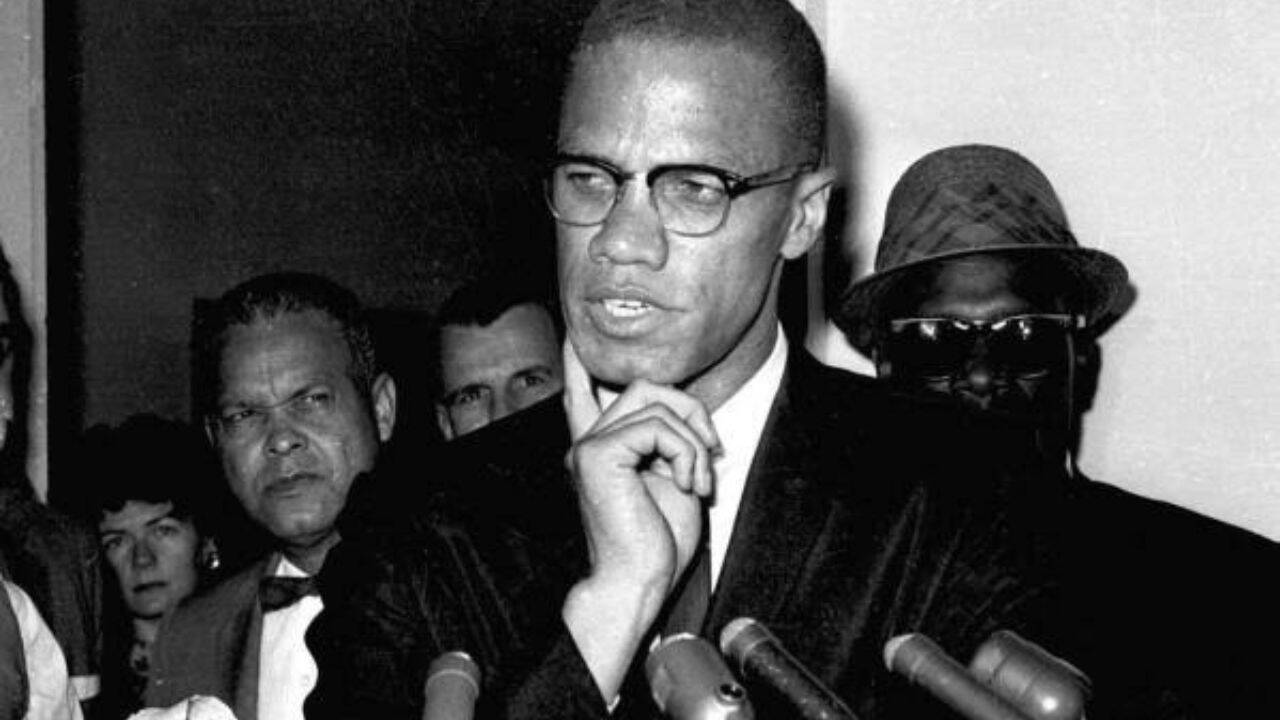
History is often written as a series of heavy boots echoing down empty corridors. We picture the podiums, the gathered throngs under a hot summer sky, the sharp crease of a suit, and the booming baritone that rattles the microphones. We reduce movements to single names carved into stone. But if you press your ear hard against the floorboards of the past, the sound changes. It shifts from a singular roar to a chaotic, beautiful symphony of quiet persistence.
Consider a Tuesday night in Harlem, 1964. The room smells of floor wax, damp wool, and the faint, sweet scent of sweet potato pie cooling on a chipped counter. Outside, the sirens wail with the predictable cadence of a city always on edge. Inside, the folding chairs groan under the weight of women who have spent twelve hours scrubbing floors in white households on the East Side, or sorting mail in suffocating basements, or standing behind counters where they are invisible to everyone except the cash register.
They are tired. Their feet throb. Yet they are not sleeping.
They are listening to a man whose words carry the heat of a blowtorch. Malcolm X stands at the front of the basement hall, his glasses catching the harsh glare of overhead fluorescent tubes. He speaks of power, of self-defense, of rejecting the slow poison of patience in the face of systemic cruelty. The men in the room nod, crossing their arms, squaring their shoulders. They want to be the shield. They want to be the army.
Then a woman in the third row speaks. Her voice is not loud. It does not boom. But the room instantly shifts gravity.
She asks about the grocery stores down the block that charge double for rotten produce. She asks about the school board that treats her son like a statistic before he can even tie his own shoes. She asks what the grand strategy means for her kitchen table tomorrow morning.
Malcolm pauses. He smiles—that quick, sharp flash of humor that rarely made the evening news. He understood something that many architects of revolution forget until it is too late. The grand philosophy is nothing more than ink on paper until the people living in the margins pick up the pen.
That dynamic gave birth to one of the most resonant truths of the twentieth century, captured in a simple quote that still startles us out of our complacency. You don't have to be a man to fight for freedom. All you have to do is be an intelligent human being.
Let that sentence settle in the air.
It was a direct challenge to the patriarchal architecture of both white America and the emerging Black liberation struggle. In an era when leadership meetings were dominated by men arguing over microphones and strategic turf, Malcolm stripped away the titles, the suits, and the posturing. He redirected the spotlight toward the unsung engine of every social shift in human history: the mothers, sisters, daughters, and workers who bore the daily administrative burden of survival and resistance.
Think of Fannie Lou Hamer, beaten senseless in a Winona, Mississippi jail cell, dragging her battered body back to the registration tables because a bruised rib was a small price to pay for a ballot. Think of the nameless women who organized the Montgomery bus boycott from their kitchen tables, coordinating carpools with rotary phones and handwritten index cards while the men debated strategy downtown. They did not wait for permission. They did not need a title. They simply recognized that oppression was a daily tax on their dignity, and they refused to pay it anymore.
We love to sanitize our heroes. We turn them into bronze statues so we don't have to feel the uncomfortable friction of their actual ideas. When we quote Malcolm X today on coffee mugs, social media graphics, and commemorative posters, we often reach for the safe, digestible snippets. We treat his words like ancient artifacts, locked behind museum glass, disconnected from the pulse of the present.
That is a convenient theft.
Because when he declared that fighting for freedom requires nothing more than being an intelligent human being, he was dismantling the barrier of elitism. He was telling the teenager scrolling through headlines on a cracked phone screen in a cramped apartment that their voice matters just as much as the expert on television. He was telling the factory worker, the nurse, the teacher, and the artist that liberation is not an exclusive club managed by charismatic figureheads.
It is a participatory sport.
The mechanics of oppression have evolved since the turbulent decades of the civil rights movement. They no longer always wear crisp uniforms or stand behind explicit Jim Crow signs. Today, oppression wears a corporate logo. It looks like algorithmic bias hiding inside a hiring platform. It looks like housing markets manipulated by absentee private equity firms. It looks like loan denials disguised as neutral risk assessments.
These modern cages are invisible to the casual observer. They are designed to be frictionless. They whisper that you are too small to fight back, that the system is too vast, too complex, too entrenched for a single person to scratch its surface.
That is the exact lie the quote was built to shatter.
Intelligence, in this context, is not about degrees framed on a wall or a sprawling vocabulary. It is clear-sightedness. It is the refusal to accept the world as it is presented to you by people who benefit from your compliance. It is looking at a broken sidewalk, an unfair wage, or a silent injustice and saying, out loud, that this is unacceptable.
Consider the hypothetical young woman living in a rust-belt town today. Her local hospital was bought out by a distant conglomerate and shuttered, leaving her pregnant neighbors scrambling for basic prenatal care. No national news cameras are parked outside the abandoned emergency room. No politicians are flying in to give speeches. The town is quietly dying of neglect.
According to the old rules, she is powerless. She has no money, no political connections, no platform.
According to the rule laid down in that Harlem basement decades ago, she is dangerous.
She starts a petition. She gathers the medical records. She organizes her neighbors on folding chairs in a public library basement, passing around a legal pad. She calls the local paper until a tired reporter finally picks up the phone. She becomes the friction. She becomes the grit in the gears of a machine that assumed she would stay quiet.
That is what the fight looks like in real life. It is rarely cinematic. It is mostly cold coffee, awkward phone calls, stubborn persistence, and the quiet courage to keep showing up when everyone tells you it is hopeless.
We live in an age that desperately hungers for authenticity while simultaneously drowning in manufactured noise. Every day, we are bombarded with opinions telling us what to care about, who to blame, and how to feel. In that relentless storm of digital theater, it is easy to retreat into passivity. It is easy to assume that someone else will handle the heavy lifting, that the historians or the activists or the politicians will eventually fix the machinery.
They won't. They never have.
The arc of the moral universe does not bend toward justice on its own. It is pulled down by thousands of ordinary hands gripping the fabric of daily life and hauling it forward, inch by agonizing inch.
You do not need a podium. You do not need a mandate. You only need your eyes open, your mind sharp, and the refusal to let injustice pass by unanswered in your immediate patch of the world.
The microphone is right where you are standing.