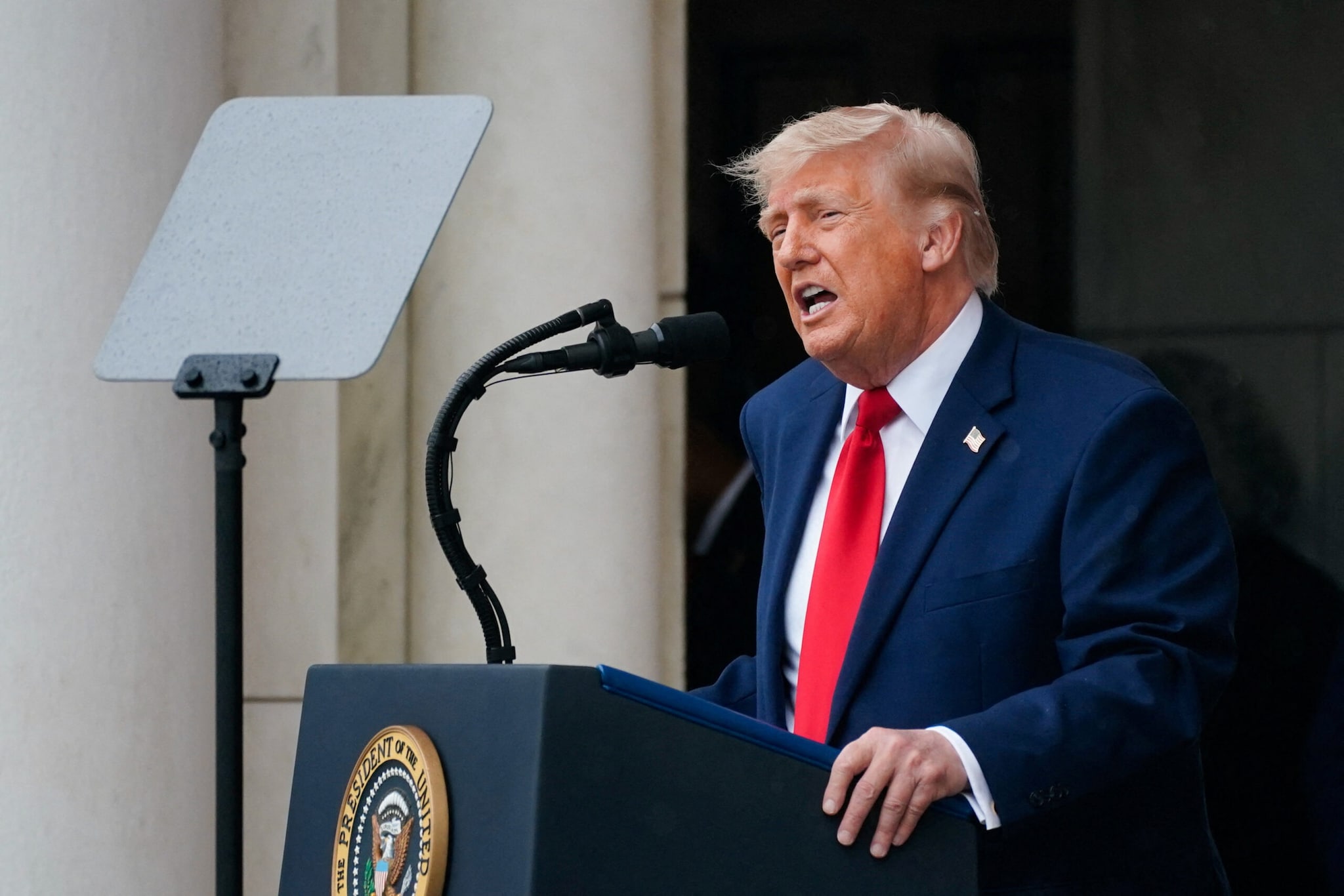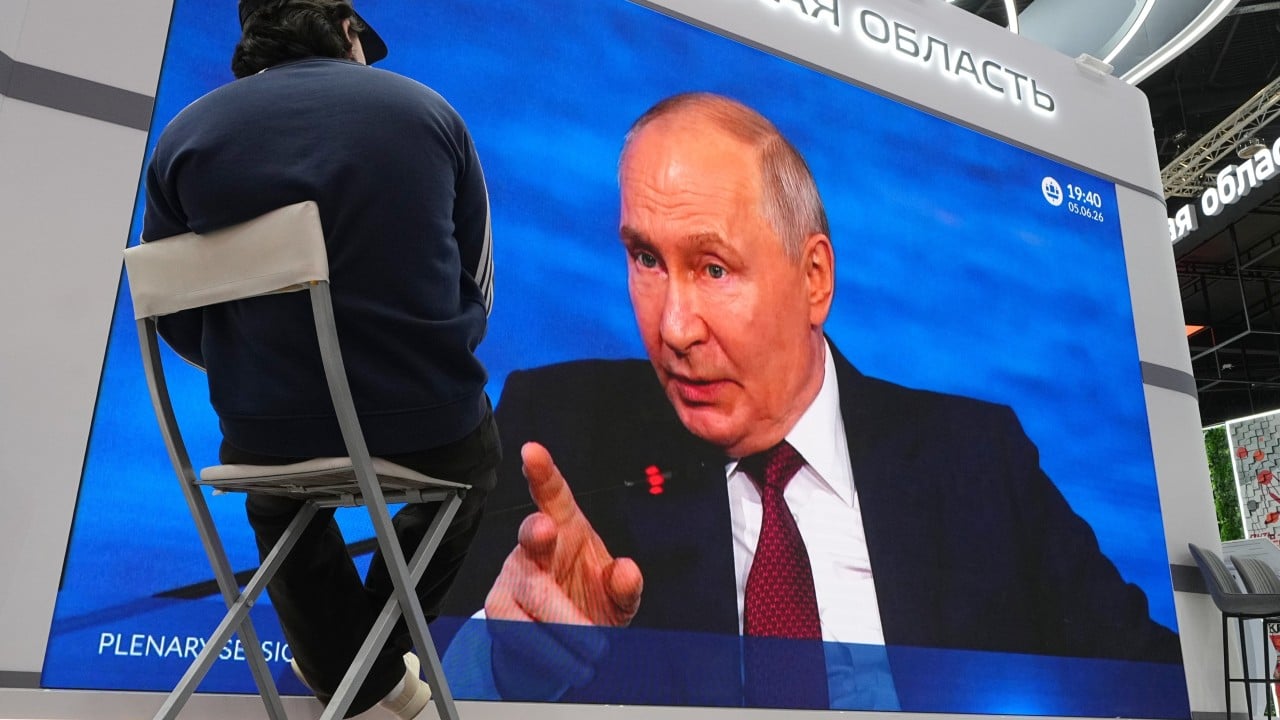
The diplomatic backchannel between Moscow and Kyiv just froze over completely. Vladimir Putin made it clear he has zero intention of sitting down with Ukrainian President Volodymyr Zelensky, tearing up any lingering hope for a quick diplomatic fix. The Kremlin didn't just decline the invitation. They insulted the delivery. Putin publicly slammed a recent correspondence from Zelensky, calling the tone of the Ukrainian leader's letter downright rude.
This isn't just a petty spat between two leaders who dislike each other. It's a calculated geopolitical shutdown. When one head of state calls another leader's official diplomatic communication impudent, the message is clear. The talking is over.
Understanding this icy standoff requires looking past the surface insults. The refusal to meet tells us exactly where the conflict stands and why conventional diplomacy is currently dead in the water.
The Letter That Broke the Kremlin's Patience
The Kremlin's official narrative centers heavily on the breakdown of basic diplomatic decorum. According to Russian state media reports and official press briefings, Zelensky sent a direct written communication to Putin outlining potential frameworks for peace talks. Moscow's reaction was swift and hostile.
Putin noted that the language used in the document lacked the traditional protocol expected in high-level state communications. Kremlin handlers characterized the correspondence as an ultimatum rather than a serious proposal for dialogue. By calling the letter rude, Putin creates an easy justification to slam the door on negotiations without looking like the sole aggressor to his domestic audience.
It's a classic power play. By focusing on the tone rather than the substance, Russia shifts the blame for the diplomatic stalemate back onto Kyiv.
Why Putin Thinks a Meeting is Pointless Right Now
Behind the complaints about manners lies a cold, hard strategic calculation. Putin genuinely sees no value in meeting Zelensky because their baseline realities don't even overlap.
Russia's current geopolitical stance relies on a few non-negotiable points that Kyiv completely rejects.
- Territorial Demands: Moscow expects recognition of its claimed sovereignty over the Donbas, Crimea, and other occupied regions.
- The Power Disparity: Putin prefers dealing with Washington or NATO directly. He views Zelensky not as an independent actor, but as a proxy for Western interests.
- Domestic Optics: Sitting down with Zelensky right now would look like a concession to the Russian public, signaling that military options aren't working as intended.
From the Kremlin's viewpoint, a summit requires a shared starting point. Right now, there isn't one. Moscow wants capitulation, while Kyiv demands total withdrawal.
The View from Kyiv and the Western Response
Zelensky's strategy in sending the letter wasn't necessarily to secure a friendly coffee chat with Putin. It was about forcing Russia's hand on the global stage.
By offering a direct line of communication, Ukraine positions itself as the party actively seeking a peaceful resolution. When Putin rejects the overture based on the tone of a letter, it validates Kyiv's argument to Western allies that Moscow has no real interest in peace. This rejection serves as a powerful tool for Zelensky to request more defensive aid, longer-range capabilities, and stricter sanctions from the international community.
Diplomats in Washington and Brussels see this standard Kremlin playbook in action. They know that when Russia stops talking, it usually means they're doubling down on their physical strategy on the ground.
What This Means for the Trajectory of the Conflict
Don't expect peace talks anytime soon. The public dismissal of Zelensky's letter signals a prolonged phase of attrition where breakthroughs will happen on the battlefield, not at a negotiation table.
With formal diplomacy paused, look for changes in three specific areas. First, expect an escalation in cross-border infrastructure strikes as both sides try to force the other into a weaker position. Second, watch for increased diplomatic maneuvering in the Global South, where both Russia and Ukraine are fighting for economic and political influence. Finally, watch the political shifts in Western nations, as the longevity of Ukraine's defense depends entirely on sustained foreign supply chains.
The immediate next step for observers isn't tracking peace summits. It's watching the logistics lines and the industrial capacity of both nations. That's where the real terms of any future meeting are being written.