The steak was medium-rare and the California wine flowed freely, but the most expensive thing in the room at the Filoli estate wasn't on the menu. It was the sudden, jarring sight of world leaders acting like tourists. When Joe Biden and Xi Jinping sat down for their high-stakes summit, the world expected cold diplomatic posturing. Instead, we got a viral selfie with tech titans and a weirdly personal chat about vintage cars.
Don't be fooled by the smiles. While the "tech selfie" featuring the heads of the world’s most powerful companies became a meme instantly, the real story lies in the desperate attempt to keep a fractured relationship from shattering completely. This wasn't just about trade or military hotlines. It was a carefully staged performance meant to convince global markets that the two biggest economies on Earth aren't headed for a messy divorce. If you found value in this piece, you should check out: this related article.
The dinner where CEOs paid forty thousand dollars for a seat
If you wanted to breathe the same air as the Chinese President that night in San Francisco, it cost you. Business leaders from Apple, BlackRock, and Tesla didn't just show up for the food. They showed up because their supply chains are screaming.
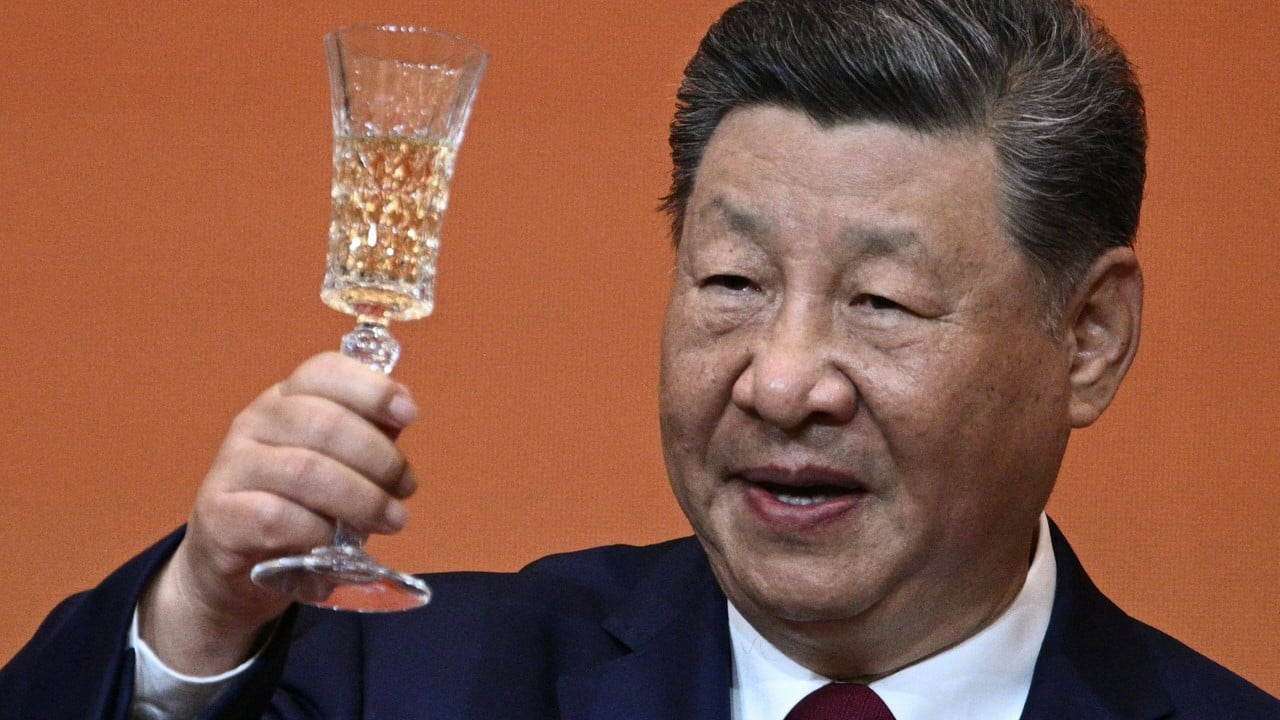
The guest list read like a Who’s Who of Silicon Valley and Wall Street. Tim Cook was there. So was Elon Musk, though he reportedly skipped the actual meal. These are the people caught in the middle of a trade war that won't end. When Xi Jinping stood up to speak, he wasn't just talking to Biden. He was pitching to the guys who hold the purse strings. He told them China is ready to be a partner and a friend. For another look on this story, refer to the latest update from Associated Press.
It’s a tough sell.
You can't ignore the fact that just months prior, Beijing was raiding American consultancy firms. The whiplash is real. One day you're a "security threat," and the next, you're being toasted with a glass of Napa Valley Cabernet. The business community knows this. They clapped, sure, but they’re still moving their factories to Vietnam and India. The dinner was a charm offensive, but the charm is wearing thin.
That viral selfie and the power of optics
The image of Xi Jinping standing with American tech royalty wasn't an accident. In the world of high-level diplomacy, nothing is. That photo was designed to humanize a leader often portrayed as a rigid ideologue. It was a signal to the Chinese public that their leader is respected by the masters of the "western" digital universe.
More importantly, it served as a buffer. If you can take a selfie together, you're probably not about to launch a cyberattack, right? That’s the logic they want us to buy. Biden even took a moment to show Xi a photo on his phone—a picture of a younger Xi in San Francisco decades ago.
"Do you know this young man?" Biden asked.
"Oh yes," Xi replied. "That was thirty-eight years ago."
It’s a bit surreal. These are men who control nuclear arsenals and define the global climate policy. Yet, they spent time bonding over a digital scrapbook. It’s a classic de-escalation tactic. By focusing on shared history and personal moments, they create a "floor" for the relationship. They’re trying to prevent the floor from falling out.
What the menu told us about the state of the union
Food is never just food at a summit. The meal at Filoli was a blend of American pride and a nod to the guest. They served herbed ricotta ravioli and heritage roasted chicken. It was simple, high-quality, and deeply Californian.
But look closer at the setting. Filoli is a historic country house, a place of quiet power and manicured gardens. It’s far from the noise of the protesters in downtown San Francisco. This isolation was intentional. The two leaders needed a vacuum to talk about the things that actually matter:
- Fentanyl production and the agreement to crack down on chemical exports.
- Restoring military-to-military communications to avoid accidental wars.
- The looming shadow of AI and how to keep it from controlling nuclear launches.
These aren't "feel-good" topics. They're survival topics. The ravioli was just the lubricant for the gears of statecraft.
The military hotline is the big win here. Before this summit, the lines were dead. If a US jet and a Chinese destroyer got too close in the South China Sea, there was no easy way to pick up the phone and say, "Hey, let's not do this today." Now, that line exists again. It doesn't mean they're friends. It just means they've agreed to talk before they shoot.
The tech giants playing both sides
You have to wonder what was going through Tim Cook’s mind during that dinner. Apple’s reliance on Chinese manufacturing is legendary, yet they’re under immense pressure to "de-risk."
The presence of tech CEOs at a diplomatic summit highlights a new reality: the private sector is now a third pillar of foreign policy. Microsoft, Google, and Nvidia aren't just companies; they’re strategic assets. When the US restricts high-end chips to China, it’s these CEOs who have to explain to their shareholders why a massive market just vanished.
The "tech selfie" was a public acknowledgement of this tension. It was a way for the CEOs to say to Beijing, "We still want to do business," while saying to Washington, "We’re helping you manage the relationship." It’s a tightrope walk over a canyon.
Why the smiles won't last
Let’s be honest. One good dinner and a few nice photos don't erase years of tension. The fundamental disagreements haven't changed.
- Taiwan remains the most volatile flashpoint. Xi told Biden it’s the biggest, most dangerous issue in the relationship.
- Trade restrictions are still in place. The US isn't backing down on chip bans, and China isn't backing down on its own tech ambitions.
- Human rights issues are still frequently brought up by the State Department, much to Beijing's annoyance.
The summit was about "stability," not "resolution." They’re managing a decline, not building a future together.
The most telling moment wasn't even the dinner. It was Biden’s press conference afterward where he, once again, referred to Xi as a "dictator." It was a classic Biden moment—unfiltered and direct. It also served as a reminder that regardless of the toasts and the tech selfies, the ideological divide is a chasm. You can share a meal with someone you don't trust. You can even take a photo with them. But you don't stop watching their hands.
Tracking the actual impact
If you want to know if this summit actually worked, stop looking at the photos and start looking at the data.
Watch the shipping lanes in the South China Sea. If the number of "unprofessional intercepts" between aircraft drops, the military hotline is working. Watch the flow of precursor chemicals from Chinese ports to Mexico. If that slows down, the fentanyl agreement is real. And watch the earnings calls of the tech companies that were at that dinner. If they start announcing new expansions in China, the charm offensive worked.
Until then, treat the "tech selfie" as exactly what it was: a high-gloss coat of paint on a very old, very weathered house. It looks better for now, but the structural cracks are still there, hidden just behind the frame.
Check the news for updates on the maritime consultative agreements in the coming months. That's the real barometer for whether the "spirit of San Francisco" has any legs or if it was just a very expensive night out.