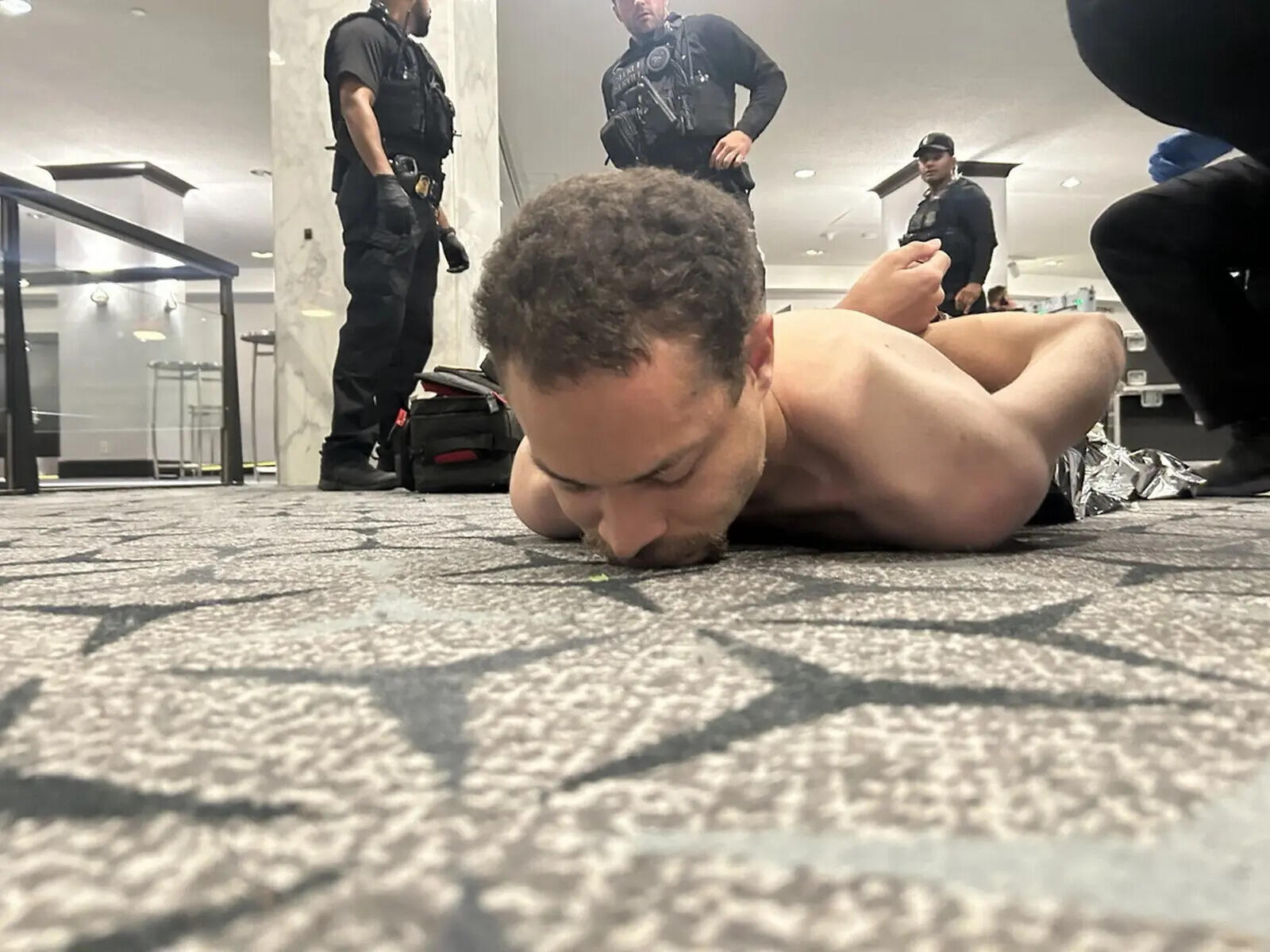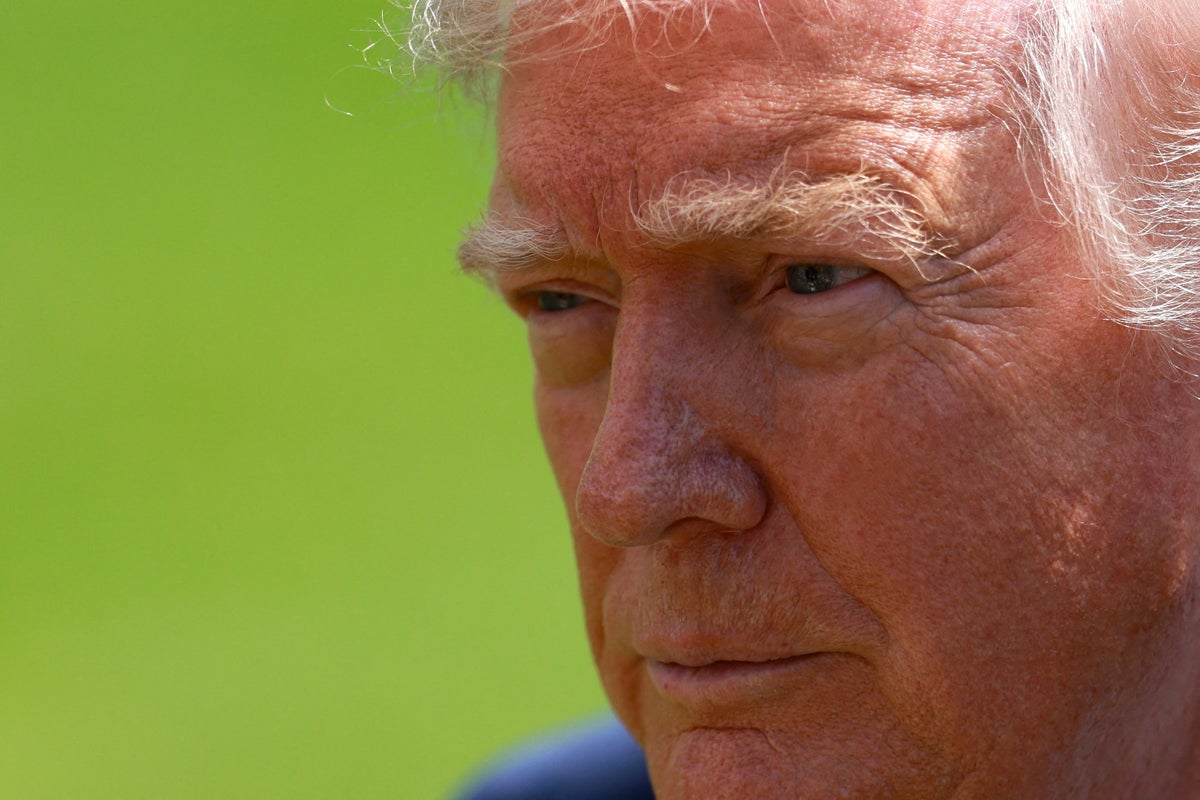
The Washington Hilton ballroom was supposed to be the site of a fragile political truce. It ended in chaos, echoing gunfire, and a frantic security extraction of the President of the United States. Donald Trump, attending his first White House Correspondents’ Dinner since taking office for his second, inconsecutive term, was rushed off-stage Saturday night after a gunman breached the security perimeter, turning a high-profile gala into a crime scene.
This was not merely a security breach. It was the explosive climax of an event already teetering on the edge of irrelevance and deep-seated animosity. For years, the annual dinner has struggled under the weight of its own contradictions, attempting to balance journalistic duty with the cozy, star-studded theater of Washington power. When the shots rang out, they shattered more than just the gala's atmosphere. They incinerated the illusion that this institution could remain insulated from the toxic environment it had helped feed for decades. Meanwhile, you can read similar stories here: The Shadow Over Peshawar and the Silence of the Gun.
The optics of the evening were strained long before the first shot was fired. Trump, a man who has built his political brand on aggressive, unrelenting friction with the traditional press corps, had arrived at the Hilton with a specific goal: to show defiance. His attendance was framed by the administration as a nod to the nation's 250th birthday, a move interpreted by many inside the Beltway as a calculated power play rather than a gesture of reconciliation. The White House Correspondents’ Association, caught between its stated mission of defending press freedom and the uncomfortable reality of hosting a president currently engaged in multiple legal battles against major media organizations, found itself in a corner.
Journalists inside the room, some of whom wore symbols of protest, were preparing for an evening defined by a cold, performative professionalism. Instead, they found themselves scrambling under dining tables as Secret Service agents flooded the floor. To see the bigger picture, check out the detailed article by Reuters.
The security failure will, inevitably, consume the news cycle for weeks. How a lone gunman—identified as a 31-year-old from California—managed to reach a checkpoint with multiple weapons is a question that will demand high-level congressional inquiries and a total overhaul of protective protocols. Yet, the broader context of this event cannot be ignored. The dinner had already become a lightning rod for the question of whether the press should be breaking bread with the very people they are paid to interrogate. Critics have long argued that such events create a false sense of normalcy, blurring the lines between adversary and acquaintance.
When the dust settles and the event is rescheduled, the association will face a crisis of purpose. Can a gala that relies on the endorsement of the executive branch maintain any shred of credibility when that same executive branch is systematically challenging the existence of an independent media?
The irony is sharp. The dinner is intended to celebrate the First Amendment. It is designed to honor the work of journalists who hold power to account. But when the host is a president who views the media as a personal enemy, and when the event itself becomes a target for political violence, the tradition starts to look less like a celebration and more like a relic of a time before the current era of extreme polarization.
The dinner, in its current form, is a performance. It is a stage where the powerful pretend to tolerate being teased, and where reporters pretend that the night is about anything other than celebrity access. The real story here is not just the shooting, or the evacuation, or the political fallout. It is the death of the pretense that the media and the government are part of a shared, civilized professional community. That social contract has been shredded.
The shooter’s motive, as police continue to investigate, may offer a singular explanation for this horror. But the environment that allowed this event to become a focal point for such intense division—where the press and the president represent competing, hostile factions—is something the institution must now confront directly.
There is no returning to the status quo. The association claims it will hold the event again, promising it will be better and more resilient. But the events at the Hilton suggest otherwise. The dinner is now defined by the reality of its own vulnerability.
The question for every journalist who once looked forward to this night is simple. Is it still worth the cost of attendance? When the ballroom becomes a battlefield, the answer is no longer a matter of ethics, but of survival. The industry now faces a brutal choice: move toward a more detached, adversarial relationship that rejects the dinner’s tradition, or double down on a charade that has proven, in the most violent way possible, to be unsustainable.
The stage is broken. The script is gone. The press, if it wishes to survive this era, must find a new way to exist outside the ballroom entirely.