You can't bomb your way to a permanent treaty, but Washington and Tehran keep trying to prove otherwise. The ongoing standoff between the United States and Iran has settled into a grinding, volatile rhythm. When President Donald Trump formally rejected Tehran's proposed terms to reopen the vital Strait of Hormuz and halt regional hostilities, the immediate reaction from Iranian leadership wasn't surrender. It was a double-down on diplomacy as the only way forward, paired with strict conditions that the White House finds entirely unacceptable.
This friction leaves global energy markets and regional stability hanging by a thread. To understand why this diplomatic impasse keeps repeating, you have to look past the breaking news headlines and examine the stark mismatch between American maximalist pressure and Iranian survival calculus.
The Core Disconnect Over the Strait of Hormuz
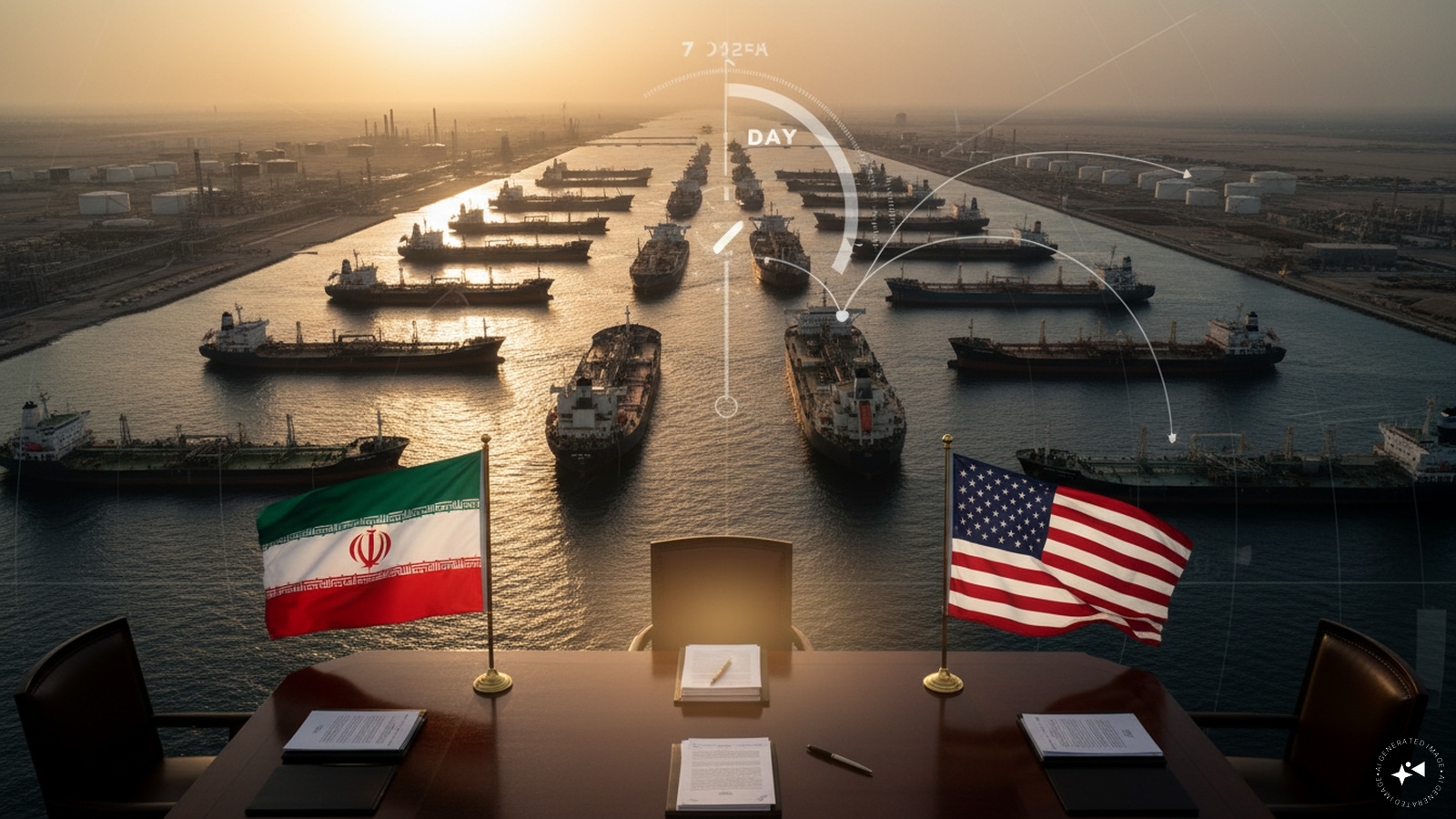
At the heart of the current crisis is the choke point carrying a massive share of the world's petroleum supply. The Strait of Hormuz isn't just a body of water; it's a structural weapon. Tehran views control over the strait, alongside its ballistic missile capabilities, as its primary leverage against superior American military hardware and suffocating economic sanctions.
When Washington demands the unconditional reopening of the shipping lane as a baseline requirement, Tehran responds with a list of rigid preconditions. These terms typically include:
- A total end to the U.S. naval blockade on Iranian ports.
- The immediate lifting of crippling oil and financial sanctions.
- Compensation or war reparations for damage caused by military actions.
- Halting military operations on all regional fronts, including Israeli actions in Lebanon and actions involving proxy networks.
Trump has repeatedly dismissed these demands as non-starters, opting instead for a mixture of naval enforcement and economic pressure to force capitulation. But history shows that economic strangulation rarely forces an adversary to hand over every bargaining chip for free.
Why Domestic Politics Poison the Well
Diplomacy rarely happens in a vacuum. Both administrations face intense domestic political pressures that make compromise nearly impossible.
In Washington, any sign of softening toward Tehran gets weaponized by political opponents. The White House must project absolute strength, particularly when handling regional security and global oil prices. Conceding to Iranian terms on unfreezing assets or removing naval blockades opens the administration up to fierce criticism from hawks.
Meanwhile, inside Iran, the political establishment is fractured. Hardliners and security officials frequently dismiss reports of genuine progress as tactical disinformation or "fake news," insisting that the state must maintain its defensive posture. Iranian officials like Foreign Ministry Spokesman Esmaeil Baghaei have continually stressed that until sanctions and naval blockades are completely lifted, meaningful dialogue cannot move forward. President Masoud Pezeshkian has maintained that while Tehran isn't actively seeking total war, it will aggressively defend itself against ongoing threats.
This creates a vicious feedback loop. Every time a regional proxy fires a rocket or a U.S. warship intercepts a drone, both sides retreat into entrenched rhetoric, shutting the door on the very negotiations they claim to want.
The Reality of the No-War, No-Peace Trap
We are living through a prolonged "no war, no peace" environment. Total war carries economic and human costs that neither side can easily absorb, yet a comprehensive grand bargain remains out of reach because neither government trusts the other to keep its promises.
The collapse of previous temporary ceasefires demonstrates how fragile these diplomatic openings are. When agreements break down over whether a truce applies to regional conflicts or commercial shipping lanes, fighting resumes almost immediately.
If you're watching global markets or trying to gauge Middle Eastern stability, stop expecting a sudden cinematic breakthrough. Expect instead a grinding continuation of economic warfare, periodic naval skirmishes, and endless cycles of back-channel messages mediated by regional players like Qatar, Oman, and Pakistan. Until one side decides the domestic cost of standing still outweighs the risk of backing down, this diplomatic stalemate is the new normal.