Wall Street loves a peace narrative, especially when it drops the price of a barrel of crude oil like a stone. When news broke that Washington and Tehran reached a framework agreement to halt their three-month conflict and reopen the Strait of Hormuz, global markets threw a party. Stock futures rocketed, European indices touched all-time highs, and crude plummeted 5% to under $82 a barrel.
It feels like a massive relief rally, but you shouldn't buy the hype without reading the fine print.
This isn't a permanent resolution. It's a highly fragile, 60-day temporary window. If you're managing capital right now, treating this as a green light to dump defensive positions and load up on high-beta risk is a classic mistake. The geopolitical risk premium didn't vanish; it just took a two-month breather.
Crude Liquidity and the Real Clock on the Hormuz Reopening
The immediate headline driver is the promised resumption of maritime traffic through the Strait of Hormuz. Energy Secretary Chris Wright already noted a meaningful rise in early ship traffic, but the actual mechanics of clearing the world's most critical energy chokepoint aren't instantaneous.
You can't just flip a switch to resume normal shipping. Over 600 commercial vessels are currently eyeing an exit or waiting to transit, and insurers aren't going to rubber-stamp these voyages overnight. Mines need to be scoured, which naval experts warn could take weeks. Furthermore, there's significant uncertainty regarding potential structural damage to Iranian oil and refinery assets sustained during the exchange of strikes over the last few months.
The terms reported by the Fars news agency expose the structural weakness of this rally. Iran has agreed to free transit through the waterway for only 60 days. This period is explicitly designed to act as a countdown for broader talks regarding their nuclear program.
President Donald Trump didn't hide the stakes either, explicitly telling the New York Times that if a permanent nuclear agreement isn't hammered out within this timeline, military strikes could restart immediately.
Central Bank Cover or a Temporary Mirage
For weeks, global markets have been sweating over sticky inflation and the threat of prolonged high interest rates. This deal gives central banks a brief window of comfort, but it doesn't solve their underlying problems.
The timing of this announcement is a gift for the massive crowd of central banks meeting this week, including the Federal Reserve, the Bank of England, and the Bank of Japan. Cheaper oil directly defangs the immediate risk of an energy-driven spike in consumer price indices.
Traders immediately adjusted their bets on the macro landscape. Ahead of Fed Chair Kevin Warsh's highly anticipated debut meeting on Wednesday, the probability of a quarter-point rate hike by December dropped from 80% down to roughly 75%.
But don't mistake a tactical delay for a structural shift. If crude hovers around the $80 to $85 range, it keeps a lid on headline inflation for the summer. However, because the deal relies on a volatile 60-day deadline, macro strategists cannot fully alter their long-term models. Bond yields slipped—the 2-year Treasury note dropped to 4.02% and the 10-year slid to 4.45%—yet these moves reflect short-term positioning adjustments rather than a structural pivot toward deep rate cuts.
Asset Class Winners and Losers From the Relief Wave
Money moved fast across desks the morning after the announcement. The shift out of defensive energy plays and into battered tech and growth sectors tells you exactly where the short-term momentum lies.
Growth and Tech Equities
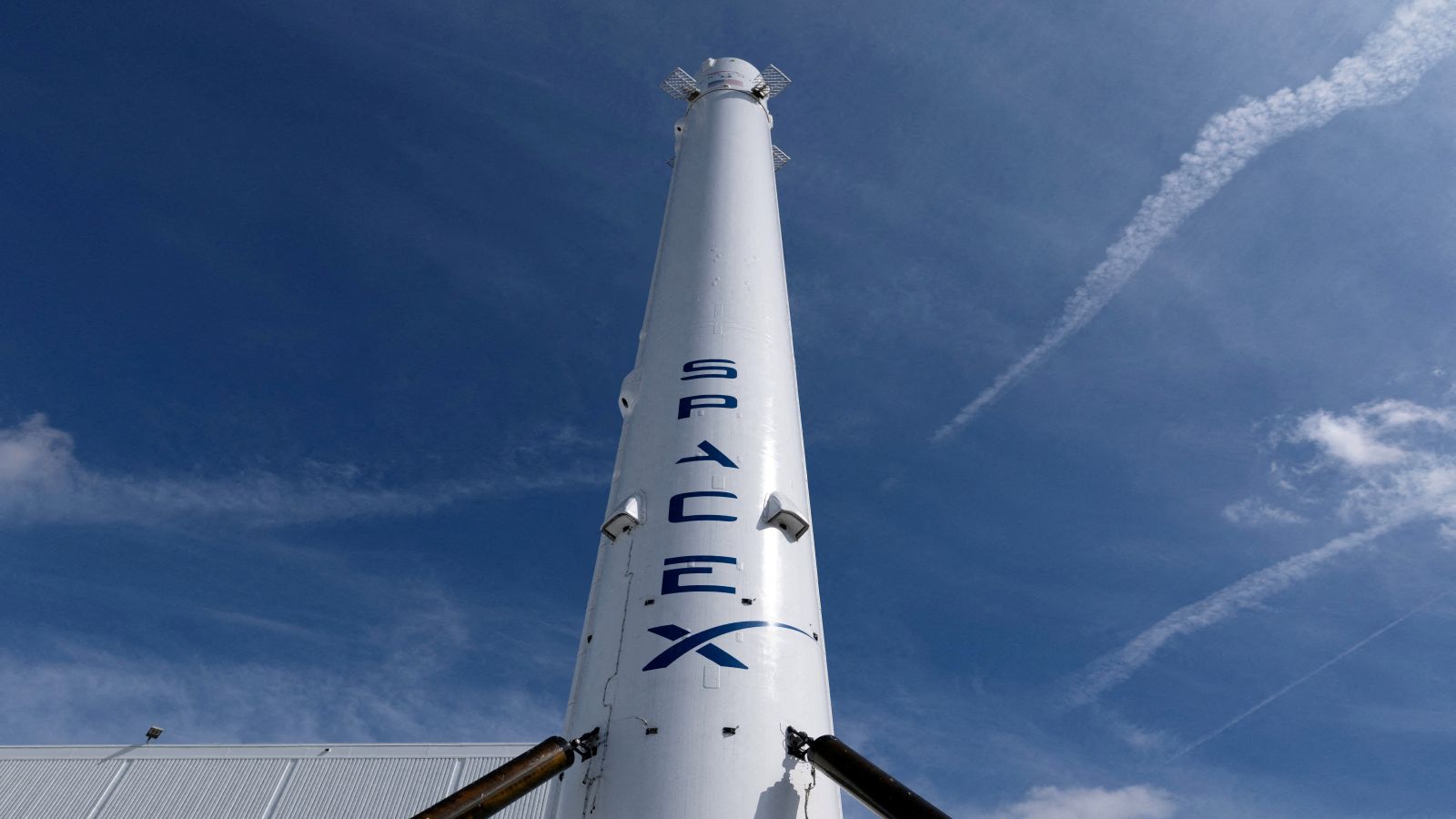
Tech futures led the charge, with Nasdaq 100 futures jumping over 2%. Chipmakers like Micron Technology and SanDisk surged more than 5% in early trading. When energy costs fall, industrial and tech supply chains breathe a sigh of relief. The broader index momentum was also carried by the tailwinds of SpaceX's recent blockbuster $75 billion IPO, creating an environment where risk appetite felt almost unstoppable.
The Energy Squeeze
The downside was felt entirely by oil majors and domestic energy producers. Giants like BP and Shell saw immediate share price erosion. If you're holding heavy concentrations in traditional energy equities, you're feeling the sudden deflation of the war premium that kept crude near $126 in May.
Crypto and Precious Metals
Interestingly, capital didn't just chase equities. Bitcoin surged 3.5% to cross $66,200, and non-interest-bearing gold climbed 2.5% to sit at $4,322 an ounce. Usually, a major relief rally saps demand for gold. But the sharp drop in US Treasury yields, combined with a weakening US dollar, made hard assets highly attractive to investors who remain skeptical of the fiat bond market's long-term stability.
Tactical Portfolio Adjustments for the 60-Day Window
Sitting on your hands during a major macro shift is a bad strategy, but chasing the top of a geopolitical relief rally is worse. You need to position your capital to exploit the current momentum without getting wiped out if talks collapse in late August.
First, harvest profits from overextended tech names that are riding purely on sentiment rather than earnings. The initial pop is always driven by fast money covering shorts and algorithmic buying. Don't be the retail investor buying the top of that wave.
Second, don't completely abandon your energy hedges. Crude down near $80 is fundamentally cheaper, but the underlying supply constraints haven't changed. Use this dip to accumulate quality energy infrastructure names that possess strong dividend yields and can survive even if oil stays flat, while offering massive upside if the 60-day negotiation drops off a cliff.
Keep a close eye on the currency markets. The euro rose to $1.1617 and sterling hit $1.3446 as the dollar index softened. This temporary dollar weakness gives you an excellent entry point to rebalance into domestic defensive large caps that benefit from a steadier interest rate environment at home.
Watch the actual volume of shipping vessels moving through Hormuz over the next two weeks, not the political statements out of Washington or Islamabad. Real economic data—actual barrels moving past the chokepoint—is the only metric that matters.