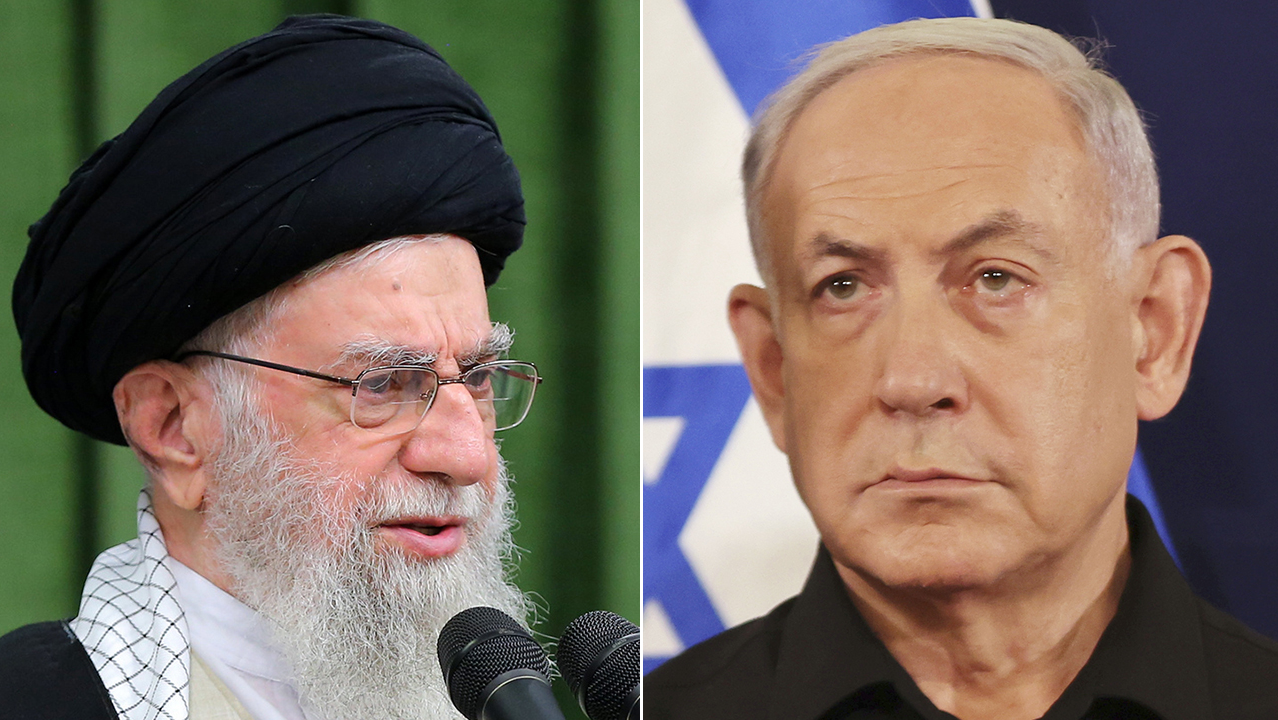
Washington and Tehran are playing a high-stakes game of chicken where nobody wants to blink first. Everyone keeps talking about a US Iran ceasefire or some kind of grand bargain, but they're missing the point. A temporary pause isn't a solution. It's a band-aid on a gaping wound. If you're looking for a simple "peace in our time" narrative, you won't find it here. The reality is messy, dangerous, and driven by actors who trust each other about as much as a cat trusts a vacuum cleaner.
The current tension isn't just about nukes. It's about who runs the Middle East. You have the US trying to maintain a status quo that's rapidly shifting, while Iran uses its "Axis of Resistance" to poke holes in Western influence from Beirut to Bab al-Mandab. Any talk of a deal has to weigh the immense pressure of sanctions against the incentives of economic relief and the massive risks of a total regional blowback.
The Sanctions Trap and Why Iran Won't Fold
We've seen this movie before. The US piles on sanctions, hoping the Iranian economy will scream loud enough to force a regime change or a total surrender. It doesn't work that way. Iran has spent decades learning how to live under the thumb of global financial restrictions. They've built a "resistance economy" that relies on grey-market oil sales to China and smuggling networks that would make a pirate blush.
Pressure only works if the other side thinks they have something to lose that's more valuable than their sovereignty. For the leadership in Tehran, giving up their ballistic missile program or their regional proxies feels like suicide. They look at what happened to Gaddafi in Libya after he gave up his weapons programs. They aren't interested in that version of "diplomacy."
Economic pain is real, though. Inflation in Iran has hovered around 40% for years. The rial is in the basement. People are frustrated. But the IRGC (Islamic Revolutionary Guard Corps) isn't the one feeling the pinch—the middle class is. This creates a weird paradox. The very people who might want a more moderate, Western-facing government are the ones being crushed by the tools meant to "help" them.
Incentives That Actually Move the Needle
What do you give a country that thinks you're out to get them? Money helps. Access to frozen assets in South Korea or Japan is a huge carrot. But it's not the only one. A US Iran ceasefire has to look at the security architecture of the entire Persian Gulf.
Iran wants a regional security pact where the US doesn't have a massive military footprint. They want to be seen as a legitimate regional hegemon. That's a bitter pill for Washington to swallow, especially with allies like Israel and Saudi Arabia breathing down their necks. Any "incentive" that looks like a concession is a political nightmare back home.
If the US wants to offer something Iran can't refuse, it has to be more than just "here's your own money back." It needs to be a path to reintegration into the global energy market. Iran has some of the world's largest gas and oil reserves. If they can sell that oil without hiding in the shadows, their economy changes overnight. But that means Western companies have to feel safe investing in Tehran. Good luck with that.
The Security Dilemma No One Mentions
The biggest risk here is a miscalculation. You have drones hitting US bases, and US airstrikes hitting militia depots in Iraq. One misplaced missile kills a high-ranking officer or wipes out a bunch of civilians, and the "limited" conflict becomes a regional war.
Israel is the wild card. They aren't interested in a US Iran ceasefire if it means Tehran gets a pass on its nuclear breakout time. They've made it clear they'll act alone if they have to. This puts the US in a spot where it's trying to talk Iran down while keeping Israel from kicking the door in. It's an impossible balancing act.
Red Lines and Realities of the New Cold War
Let's be honest about something. The US doesn't have the same appetite for Middle Eastern wars that it did in 2003. The focus has shifted to China and the Pacific. Iran knows this. They're betting the US will tolerate a certain level of chaos because the alternative—boots on the ground—is political suicide for any American president.
The "red lines" keep moving. First it was "no nuclear weapon." Then it was "no high-level enrichment." Now we're talking about a US Iran ceasefire that covers proxy groups in Yemen and Lebanon. Each new layer of the conflict makes a deal harder to reach.
If a final deal ever happens, it won't be a grand ceremony on the White House lawn. It'll be a quiet series of "understandings" that probably won't even be written down. It'll be a "freeze for freeze." You stop enriching to 60%, and we'll look the other way while you sell more oil to the Chinese.
Why the 2015 JCPOA Is Dead and What's Next
The original nuclear deal, the JCPOA, is a ghost. It's haunt-walking through every negotiation room, but it's not coming back. Both sides have changed. The trust is gone. Trump pulled out, and Iran ramped up its program to levels that make the original limits look quaint.
A "Better Deal" is what everyone wants, but nobody can define. For the US, a better deal means stopping Iran's missiles and its regional influence. For Iran, it means a permanent end to sanctions and a guarantee that the next US president won't just tear up the paper on day one. Neither of those things is likely to happen.
Instead of a final deal, we should expect a state of "managed tension." This isn't peace. It's a high-stakes standoff where both sides agree not to blow the whole thing up today.
The Regional Proxy Game Is the Real Battleground
You can't talk about a US Iran ceasefire without talking about the Houthis, Hezbollah, and the PMF in Iraq. Iran's greatest strength isn't its conventional army. It's the way it has integrated its "Axis of Resistance" into the very fabric of regional politics.
In Yemen, the Houthis have proven they can disrupt global trade in the Red Sea with relatively cheap tech. In Lebanon, Hezbollah is essentially a state-within-a-state with more firepower than many European armies. Iran doesn't even have to pull the trigger themselves to make the US hurt.
This gives Tehran massive leverage in any negotiation. They can offer to "restrain" their allies in exchange for sanctions relief. It's like a protection racket, but on a global scale. If the US ignores the proxies, any ceasefire is a joke. If they include them, the negotiations will take a hundred years.
Domestic Politics Are Killing Diplomacy
The biggest obstacle to a US Iran ceasefire isn't in Tehran. It's in DC. Anything that looks like a deal will be attacked as "appeasement" by half of Congress. The political cost of talking to Iran is so high that most politicians would rather just let the situation simmer than risk a deal that might blow up in their faces.
Iran has its own hardliners. The IRGC gains power when the country is under pressure. They control the smuggling routes and the shadow economy. A real opening to the West would threaten their grip on the country. They have every reason to keep the "Great Satan" narrative alive and well.
So you have two governments that are deeply suspicious of each other, facing internal pressure not to compromise, while the risk of a massive war grows every day. It's a recipe for disaster.
What a Real Deal Would Actually Look Like
If we're being practical, a real US Iran ceasefire would have to start small. Forget the "Grand Bargain." Start with a prisoner swap. Start with a de-escalation in the Red Sea. Then maybe talk about limited sanctions relief for humanitarian goods.
- Verification above all else. The US won't trust any Iranian promise without intrusive, 24/7 inspections.
- Economic guarantees. Iran needs a way to ensure that if they follow the rules, the money actually flows.
- Regional de-confliction. A separate track of talks where Iran and its neighbors—especially the Saudis—can hash out their own security issues.
Don't expect a sudden breakthrough. The road to any kind of stable US Iran ceasefire is paved with failed talks and broken promises. But the alternative is a regional war that would make the last twenty years look like a picnic.
If you want to track where this is going, watch the oil markets and the drone strikes. If the strikes stop and the oil keeps flowing, something is happening behind the scenes. If not, buckle up. It's going to be a long, bumpy ride.
The reality is that we're stuck in a loop. Both sides are waiting for the other to be desperate enough to take a bad deal. Neither side is there yet. Until that changes, a US Iran ceasefire is more of a dream than a strategy.
Instead of waiting for a "final deal," start paying attention to the small shifts. Look at who's meeting in Muscat or Baghdad. That's where the real work happens. The flashy headlines are usually just noise. If you really want to understand what's next, look at the logistics, not the rhetoric.
Stop looking for a single moment of peace. Look for the "quiet periods" that signify back-channel deals. That's the only version of a US Iran ceasefire we're likely to get in our lifetime.



