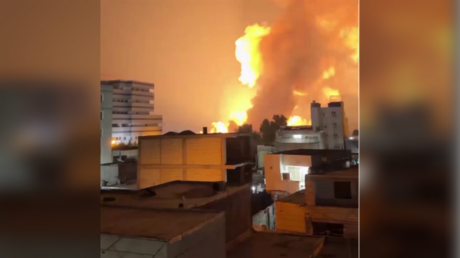
The fragile peace deal between Washington and Tehran didn't even make it to its August deadline. On Tuesday, US Central Command launched a massive wave of retaliatory airstrikes against targets inside Iran. This comes immediately after Iranian forces targeted three commercial shipping vessels in the Strait of Hormuz, completely shattering the June 18 interim ceasefire agreement.
If you're wondering how a signed peace framework dissolved into a barrage of missiles so quickly, the answer lies in who controls the world's most critical oil chokepoint. Meanwhile, you can read similar developments here: The Political Theatre of the Restraining Order Post Why Trump and Meloni Are Playing a Different Game Entirely.
The military escalation unfolded rapidly. First, the US Treasury pulled the plug on Iran's economic lifeline by revoking the general license that allowed Tehran to sell crude oil globally. Hours later, American jets and warships began hitting Iranian air defense systems, coastal surveillance networks, drone launch pads, and anti-ship missile sites. Military officials indicate this round of strikes is roughly eight times larger than the engagements seen a week ago.
Explosions rocked major Iranian positions, including Qeshm Island, the mainland port city of Sirik, and Bandar Abbas. While millions of Iranians gathered in the holy city of Qom to mourn the recently killed Supreme Leader Ayatollah Ali Khamenei, the southern coastline turned into a combat zone. To explore the full picture, check out the excellent report by The Guardian.
The Battle for Maritime Geography
The primary trigger for this collapse is a quiet but aggressive dispute over shipping lanes. Last month, the US and Iran signed a 14-point memorandum of understanding designed to freeze hostilities for 60 days. The deal allowed Iran to export oil in exchange for keeping the Strait of Hormuz open to commercial traffic.
Tehran expects total compliance with its own rules. The Iranian military wants to force all global shipping traffic into the northern section of the strait, right up against the Iranian coast. Why? Because controlling the physical path of these mega-tankers allows Tehran to establish a permanent system to monitor vessels and collect passage fees.
The US, the International Maritime Organization, and neighboring Gulf states reject this. They explicitly expanded and backed a southern transit route running safely through Omani waters.
When commercial ships ignored Iranian warnings and chose the Omani route, Iran struck. Within 24 hours, three major vessels were hit by projectiles and drones off the coast of Oman and the United Arab Emirates.
- The Al Rekayyat: A massive Qatari liquefied natural gas tanker, struck by a drone that sparked a major fire in its engine room.
- The Wedyan: A Saudi-flagged crude oil supertanker, damaged by projectiles off the Omani coast.
- A third unnamed merchant vessel targeted near the Omani-Emirati border.
Qatar immediately broke diplomatic protocol by summoning Iran’s deputy ambassador and handing over a formal protest note, holding Tehran fully responsible under international law. Iran's foreign ministry brushed it off, stating that vessels face inherent risks if they don't coordinate their paths directly with Iranian authorities.
The Economic Whiplash
Washington is treating the interim agreement as performance-based. When Iran hit the tankers, the Biden administration immediately yanked the sanctions waiver. The Office of Foreign Assets Control gave global buyers until July 17 to completely wind down any pending Iranian oil transactions.
The markets reacted instantly. Brent crude futures jumped nearly 3%, trading above $76 a barrel, while West Texas Intermediate climbed past $72.
Energy analysts warn that this volatility won't go away anytime soon. Traffic through the Strait of Hormuz was already crawling at just 30% of its normal pre-war levels. With the ceasefire effectively dead, shipping companies face skyrocketing insurance premiums and the constant threat of drone strikes or sea mines.
What Happens Right Now
If you operate vessels or track global energy supply chains, the landscape has fundamentally shifted back to a wartime footing. Do not expect diplomatic breakthroughs while the military strikes continue.
Keep your eyes on the NATO summit in Ankara. President Trump is currently meeting with transatlantic allies to coordinate a unified response to the maritime blockade. Expect the US Navy to significantly increase its escorted convoy operations through the southern Omani corridor. Shippers should avoid any northern routes near Qeshm Island or Bandar Abbas, regardless of Iranian radio warnings. Tehran has proven it will shoot first and handle the diplomatic fallout later.