The night air in a growing city always carries a specific frequency. It is a mix of distant traffic hums, the metal rattle of rolling shop shutters, and the distinct, rhythmic click of heels against pavement. For millions of women moving through urban spaces after dusk, that sound is accompanied by a silent calculation. Every shadow is measured. Every approaching set of footsteps is analyzed. Every dimly lit alleyway is an obstacle course of risk assessment.
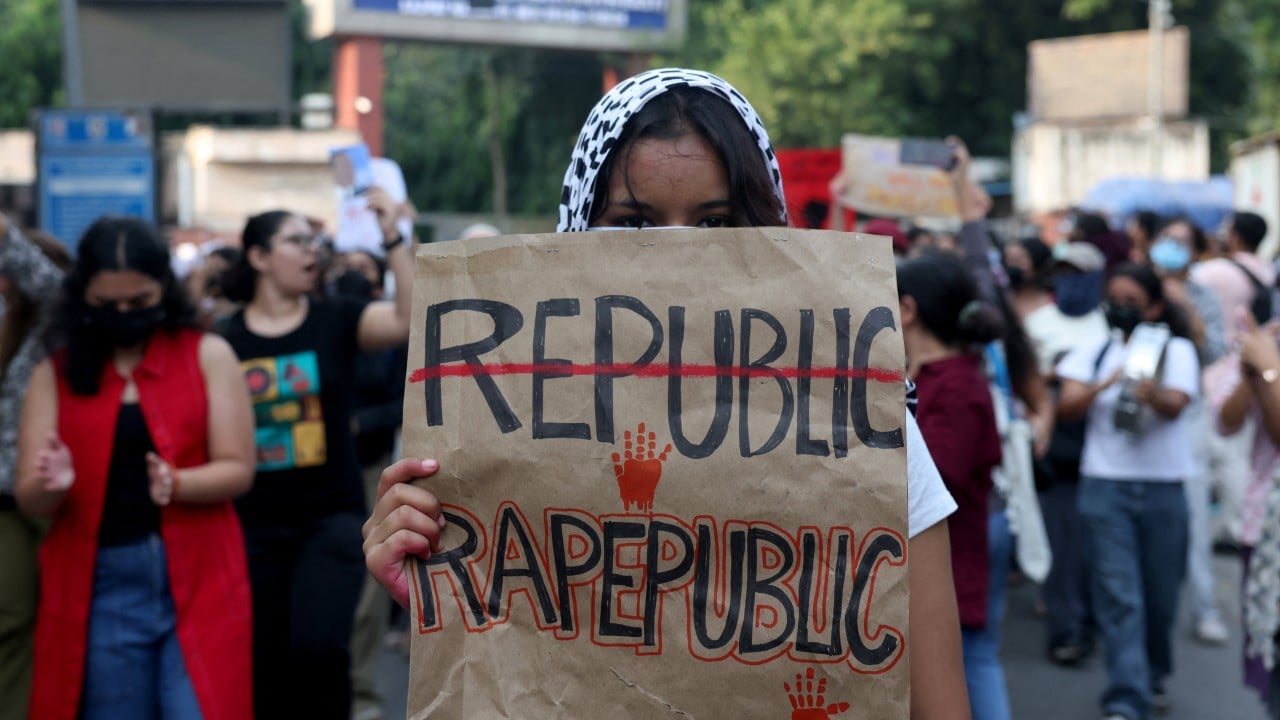
Fourteen years have passed since a cold December night in Delhi permanently tore open a national conscience. The assault on a young physiotherapy intern on a moving bus shook the foundation of a country, pulling decades of normalized street harassment, institutional apathy, and structural inequality out from the shadows and dragging them into the blinding glare of public outrage. Protesters flooded the streets. Candles burned in the dark. Slogans echoed through the damp winter air, demanding a fundamental restructuring of society.
People promised that things would change.
They had to.
Yet, stepping onto those same streets today reveals a complicated, fractured reality. Progress has not arrived as a sweeping tidal wave that washed clean the streets. Instead, it has arrived in jagged pieces—patchwork policies, technological band-aids, and a stubborn, resilient grassroots resistance led by those who refuse to let the conversation fade.
Consider the landscape of safety infrastructure today. Walk into any major transit hub, and you will see the physical manifestations of that 2012 watershed moment. Panic buttons installed in public buses. CCTV cameras perched on steel poles, their small red indicator lights blinking rhythmically into the dark. Dedicated women’s compartments on metro trains, operating as rolling sanctuaries where the collective tension of the commute visibly drops the moment the doors slide shut.
These interventions matter. They provide a baseline of deterrence. Legal reforms followed the outrage too, bringing harsher penalties, fast-track courts, and an expanded definition of sexual assault under criminal law. The state responded with machinery and mandates.
But concrete and code cannot rewrite culture on their own.
A camera can record an incident, but it cannot stop a hand from reaching out in a crowded market. A panic button can summon help, but it cannot dismantle the casual misogyny whispered in school corridors or broadcast across digital platforms. The invisible architecture of fear remains intact, even as the physical city tries to armor itself against violence.
To understand where safety stands today, you have to look at the daily rituals of survival that women still practice without thinking. Sharing live GPS locations with a roommate before stepping into an auto-rickshaw. Pretending to be on an active phone call while walking past a group of men loitering on a dark street corner. Holding keys clenched between knuckles like makeshift claws. These are not statistical data points found in government reports. They are muscle memory. They are habits passed down through generations, inherited like a family trait.
Statistics tell a story of duality. On one hand, reporting rates have risen. This is often misinterpreted in superficial analyses as a sign that crime is increasing, when in reality, it signifies something far more vital: a fragile, hard-fought increase in trust. Victims are speaking up because the social stigma, while still suffocating, has begun to fracture. Police departments have established women-centric help desks, and specialized helplines operate around the clock.
Yet, the backlogs in the judicial system remain staggering. Justice delayed is not just justice denied; for survivors navigating the grueling maze of trials, delays are an exhausting endurance test that forces many to abandon the pursuit of accountability altogether. The machinery of law enforcement often collides with deeply entrenched patriarchal biases at the local level, where victims recounting trauma are still met with skepticism, victim-blaming, or institutional indifference.
Change, true cultural transformation, is not linear. It does not obey election cycles or legislative deadlines. It happens in quiet, unheralded moments.
It happens when a father corrects his son’s casual sexist joke at the dinner table. It happens when a school curriculum introduces gender sensitivity not as an elective afterthought, but as a core pillar of education. It happens when bystanders stop looking at their phones when a woman is being harassed in public and instead step forward, breaking the isolation that predators rely on.
Fourteen years after that fateful night, India is neither the dystopian nightmare some headlines suggest nor the progressive utopia painted by promotional campaigns. It is a battleground of contradictions. It is a place where young women code cutting-edge technology by day and navigate a gauntlet of catcalling on their way home by night. It is a society where rage has transformed into organizational power, where survivor-led networks offer shelter, legal aid, and unwavering solidarity to those who have nowhere else to turn.
The journey is far from over. The horizon is still obscured by the heavy fog of systemic inequality. But the direction, once obscured by silence and denial, is now illuminated by the unyielding demand for dignity.
The city at night is still loud, still shadowed, and still demands caution. But beneath the surface hum of traffic and streetlights, a new sound is rising. It is the sound of millions of voices refusing to lower their volume, refusing to shrink into the background, and refusing to stop walking forward.


