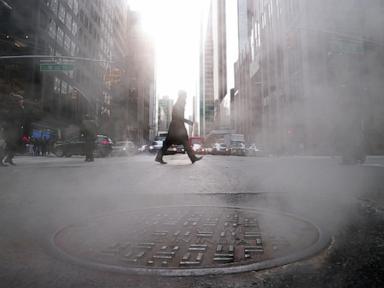
Video clips spread fast across social media feeds, showing five individuals emerging straight out of a New York City manhole on a busy midtown street. Passersby stared in disbelief, cell phones recorded the bizarre spectacle, and internet algorithms rewarded the confusion with millions of views. The viral clip invited jokes about teenage ninja turtles, urban explorers, and covert transit operations.
Yet underneath the viral humor lies a gritty reality about the hidden infrastructure beneath our feet. Manhattan operates on multiple planes of existence. While millions hustle above ground on asphalt and concrete, an elaborate, subterranean labyrinth runs parallel to the skyline. Steam pipes, electrical grids, telecommunication fiber optic cables, and transit lines form an underworld that keeps the metropolis functioning.
When people climb out of utility access points, the event exposes the profound vulnerability of urban security and the sheer scale of the spaces hidden from public view. Most citizens assume that municipal access shafts remain locked, monitored, and secure. The reality is far messier.
The Anatomy of the Underground Maze
The subterranean network beneath New York City is not a single tunnel system. It is a dense, century-old patchwork of utility vaults, abandoned maintenance corridors, and steam distribution channels.
Con Edison alone manages thousands of miles of electric cables, gas mains, and steam lines. Beneath the pavement, temperatures can soar past room comfort due to high-pressure steam mains that heat skyscrapers and supply hot water across districts. Maintenance workers navigate these dark tunnels wearing protective gear, breathing heavy air, and relying on decades-old maps that do not always reflect modern modifications.
Unauthorized entry into these spaces is exceptionally dangerous. Gases can accumulate without warning. Electric arcs can trigger flashover events. Structural integrity varies wildly depending on the decade a particular vault was constructed. When unauthorized individuals treat this space like an alternative subway line or an urban playground, they gamble with lethal hazards.
Why People Venture Below
Urban exploration has evolved from an underground subculture into a digital spectator sport. Armed with headlamps and a desire for viral clout, adventurers seek out forbidden zones. The appeal is straightforward. Modern cities feel sanitized, fully mapped, and over-regulated. Every square foot above ground carries a camera, a sensor, or a security guard.
The underworld offers the opposite. It represents unmapped territory, a place where municipal authority fades and the raw skeleton of the city is exposed.
Some individuals utilize utility tunnels for shelter. The housing crisis and severe economic pressures push vulnerable populations into marginal spaces. Abandoned subway stations and warm steam vaults offer refuge from freezing winter temperatures, despite the extreme risks of carbon monoxide poisoning, flooding, and structural collapse.
Other groups are driven by pure adrenaline or the desire to film content for video platforms. The manhole incident in New York highlights a growing trend where public infrastructure is treated as an interactive set piece for online attention.
The Response From Authorities
Municipal agencies rarely find humor in these viral stunts. When a group opens a heavy cast-iron cover and exits onto a public thoroughfare, multiple security protocols fail.
Police departments treat unauthorized utility access as a serious security breach. Critical infrastructure protection has evolved significantly over the past two decades. Utility vaults sit directly beneath major financial institutions, government buildings, and transit arteries. Allowing untrained individuals to wander through these corridors creates unpredictable risks for the power grid and public safety.
City officials face a difficult balancing act. Sealing every single access point permanently is impossible because technicians require constant entry to maintain the grid. Heavy padlocks and sensor alarms help, but an aging system spanning thousands of miles presents endless points of vulnerability.
What the Incident Reveals About Modern Urban Life
The spectacle of five figures climbing out of the pavement serves as a metaphor for the disconnect between modern city dwellers and the infrastructure that supports them. Water runs from taps, lights flip on with a switch, and data flows instantly through pocket-sized screens. Society treats these utilities as invisible magic.
When the infrastructure breaches the surface in a bizarre visual display, it shatters the illusion of total control. The city is not a sterile, perfectly managed machine. It is a living, complex organism held together by rusted iron bolts, concrete arches, and a vast network of tunnels that few ever see.
As cities grow denser and technology relies more heavily on physical conduits buried deep underground, municipal management will face mounting pressure to secure these hidden spaces. Until then, the pavement remains a thin boundary between the orderly world above and the wild, forgotten labyrinth below.


