The United Nations Security Council just did something rare. Members aligned swiftly to issue a fierce, unanimous condemnation after a drone attack targeted the Barakah nuclear power plant in the United Arab Emirates. Houthi rebels in Yemen claimed responsibility for the strike. This isn't just another regional skirmish in the Middle East. It marks a terrifying shift in modern warfare. Targeting an active nuclear facility changes the rules of engagement entirely.
When a missile flies toward a reactor, the risk isn't just structural damage. It's regional contamination. The international community realized the stakes immediately. The UN Security Council emphasized that attacks on critical infrastructure violate international law and threaten global stability. If you think this is just a local issue, you're misreading the situation. This event sends shockwaves through the global energy sector and rewrites the playbook for protecting critical infrastructure.
The Reality of the Barakah Nuclear Plant Strike
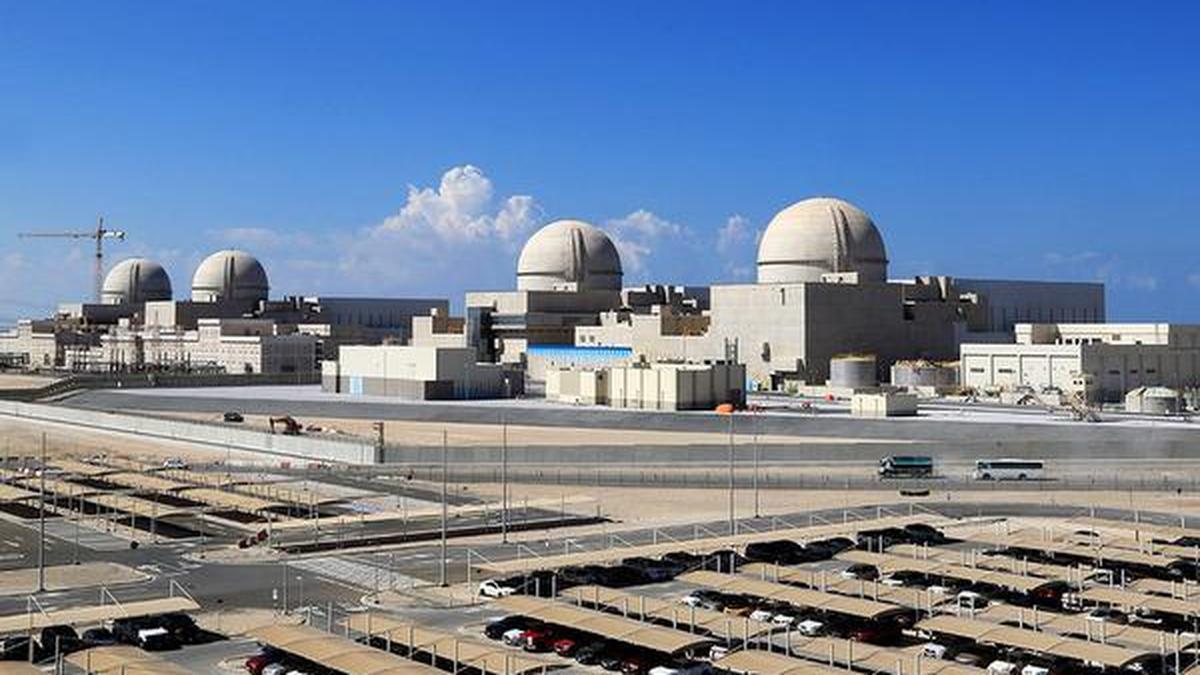
Let's look at what actually happened. The Houthi movement launched a series of drones and missiles aimed deep into Emirati territory. The primary target was the Barakah nuclear energy plant, located in the Al Dhafra region of Abu Dhabi. The UAE utilizes advanced defense networks, including the US-made Terminal High Altitude Area Defense (THAAD) and Patriot systems, alongside South Korean interceptors. They knocked the threats out of the sky.
The physical damage to the multi-billion-dollar facility was non-existent. Operations continued. The reactors kept humming. But the psychological and geopolitical defense lines shattered.
Barakah Nuclear Energy Plant Overview:
- Location: Al Dhafra Region, Abu Dhabi, UAE
- Total Capacity: 5,600 MW across four APR-1400 reactors
- Energy Output: Supplies up to 25% of the UAE's electricity needs
- Safety Infrastructure: Double-wall containment, missile shield defenses
The UAE spent decades shifting away from total fossil fuel reliance. Barakah is the crown jewel of that strategy. It provides a massive chunk of the nation's clean electricity. Hitting this facility isn't just about knocking out the lights. It's an attempt to compromise economic stability and project vulnerability on a global stage.
Why the UN Security Council Moved So Fast
The UN Security Council usually moves with the speed of a glacier. Geopolitical bickering between veto-wielding members paralyzes action. Not this time. The council issued a swift, unified statement blasting the terrorist attacks. They demanded immediate accountability for the perpetrators, organizers, financiers, and sponsors of these reprehensible acts.
The speed of this condemnation tells you everything. The international community recognizes a dangerous precedent when they see one. If striking a nuclear power plant becomes an accepted norm in asymmetric warfare, no nation is safe.
The Legal Framework Being Violated
International humanitarian law isn't vague about this. Under Article 56 of Protocol I Additional to the Geneva Conventions, works and installations containing dangerous forces—specifically including nuclear electrical generating stations—enjoy special protection.
You don't attack them. Period. Even if they are legitimate military objectives, you don't strike them if the attack may cause the release of dangerous forces and severe losses among the civilian population. The Security Council's swift action reinforces this global red line. They want to make it clear that crossing this boundary turns an actor into an international pariah.
The Hidden Vulnerabilities in Modern Nuclear Security
Security experts have warned about this for years. Most nuclear containment structures can withstand a direct impact from a commercial airliner. Designers built them to be incredibly tough. The concrete is thick. The steel reinforcement is dense.
The real danger lies in the supporting infrastructure. You don't need to crack the reactor core to cause a disaster.
- Cooling Systems: If an attack destroys the external power supply and backup diesel generators, cooling systems fail.
- Spent Fuel Pools: These pools sit outside the main heavily armored containment dome and require continuous cooling.
- Switchyards: Disrupting the electrical grid connections can force an emergency shutdown, stressing the plant's internal safety mechanisms.
The Houthi drone strikes reveal that non-state actors possess precision guidance tech capable of hitting these exact support networks. That's what keeps energy ministers awake at night.
Geopolitical Fallout Across the Middle East
This attack alters the diplomatic dynamics of the region. The UAE has spent years positioning itself as a stable, high-tech hub for business, tourism, and green energy. Security is their primary selling point. By targeting Barakah, regional adversaries want to prove that the UAE's umbrella of safety has holes.
This escalates the proxy conflict involving Iran, which backs the Houthi rebels with advanced drone and missile technology. The sophistication of the weapons used in these long-range attacks points directly to state-level supply chains. The UN's condemnation acts as a public warning to the sponsors behind the scenes.
The Abraham Accords also play a role here. The UAE's normalized relations with Israel altered regional alliances. This makes the Emirates a higher-priority target for the regional resistance axis. The strike on Barakah aims to punish the UAE for its strategic shifts.
What Happens to Global Energy Investment Now
If you're an investor looking at large-scale infrastructure projects, this event changes your risk calculations. The nuclear renaissance depends on massive capital investments. Capital requires predictability.
Nations across the globe are looking to nuclear power to hit net-zero carbon targets. If these facilities require active wartime defense systems just to operate safely, the insurance and security costs will skyrocket.
Nations must now integrate military-grade air defense directly into the civil engineering phase of nuclear projects. You can't just build a reactor. You have to build a fortress.
Next Steps for Global Infrastructure Defense
The UN Security Council's words are a good start, but statements don't intercept drones. Governments and energy operators must take immediate action to adapt to this new reality.
First, patch the air defense gaps around civilian energy infrastructure. Traditional air defenses look for high-altitude jets and fast ballistic missiles. They often miss low-flying, slow-moving suicide drones. Upgrading to short-range air defense systems, electronic warfare jamming rigs, and kinetic interceptors around civilian energy sites is mandatory.
Second, enforce stricter international sanctions on drone component supply chains. The tech driving these attacks relies on commercially available microchips and engines. Tightening export controls on these dual-use technologies cuts off the assembly lines of non-state militias.
Third, establish international rapid-response protocols. If a strike ever succeeds in damaging a reactor's secondary systems, regional neighbors need pre-coordinated disaster management plans. Radiation doesn't care about borders. Emergency drills must include cross-border coordination between nations that don't always get along politically.
The attack on the Barakah plant failed to cause a disaster because the defenses held. Relying on luck or a perfect interception rate is a losing strategy for the future. The international community must turn the UN's verbal condemnation into concrete, physical security upgrades before the next missile launches.