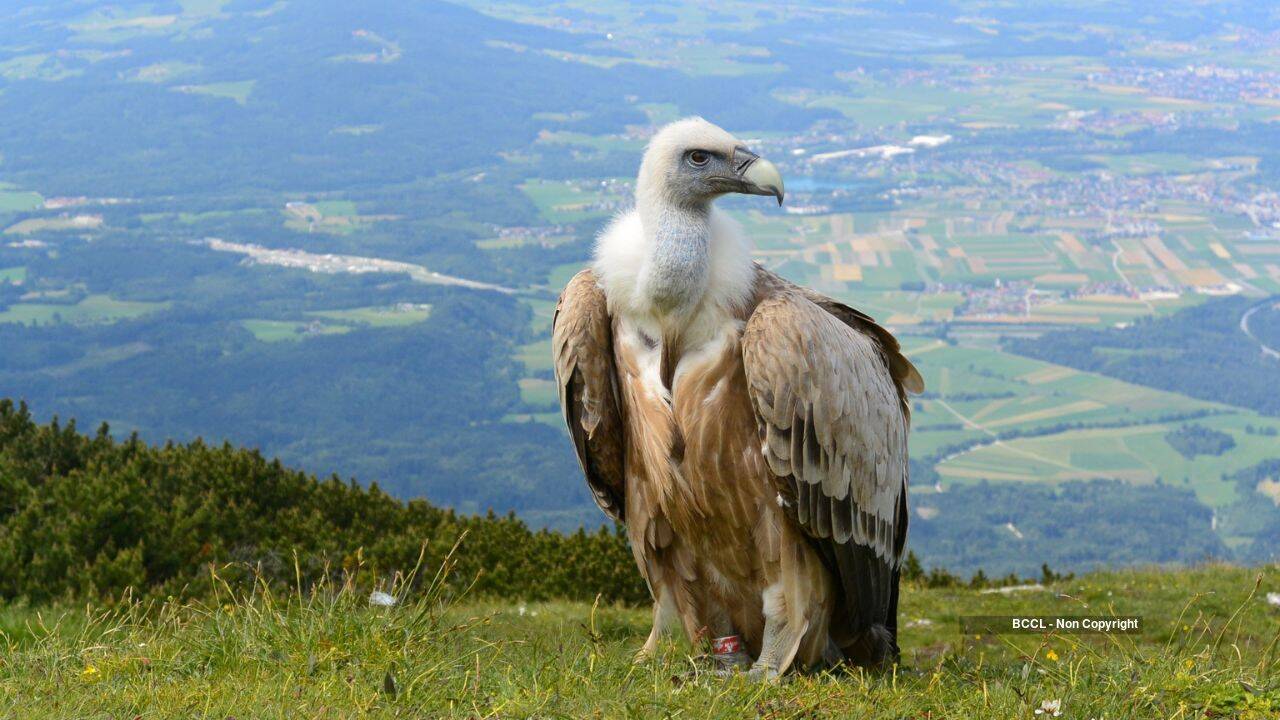
Death smells like sulfur, heavy sweet rot, and absolute surrender. To most living things, that odor triggers a primal, violent rejection. A single breath of spoiled tissue can carry millions of lethal spores, toxins strong enough to melt human organs in hours. We run from it. We bleach our counters. We seal our garbage in thick plastic bags, terrified of the invisible war zone humming inside organic decay.
Now, picture a bird soaring two miles above the savannah. Meanwhile, you can read related events here: Inside the Atacama Desert Arsenic Crisis That Forced Human Evolution.
Its bald head catches the glaring African sun. Its massive wings span nearly ten feet, riding hot thermals with lazy, effortless grace. Below, a zebra has fallen. Within minutes, the predator that made the kill eats its fill and leaves the rest to the sun. The carcass begins to bloat. Toxins bloom. Anthrax spores wake up. Botulinum bacteria, powerful enough to paralyze an elephant, multiply in the dark warmth of the decaying muscle.
The bird drops out of the sky. To see the full picture, check out the detailed analysis by Healthline.
It does not land with caution. It walks straight into the toxic feast, plunges its naked head deep into the abdominal cavity, and begins to swallow rotting flesh dripping with clostridium bacteria. It eats the meat that would kill a lion. It ingests the poison that would murder a human.
And then, it flies away.
The Acid Test
To understand why vultures survive what should destroy them, you have to look inside their stomachs. Imagine pouring battery acid onto a piece of metal and watching it instantly sizzle and dissolve. That is what happens inside a vulture gut.
Their stomach acid is not merely strong; it is chemically terrifying. While human stomach acid sits comfortably at a pH of around 1.5 to 3.5, a vulture's digestive tract operates at a pH approaching zero. It is closer to hydrochloric battery acid than standard biological fluid.
When a vulture swallows anthrax, botulism, and salmonella, those pathogens hit the stomach and face an environment so hostile they are instantly annihilated. The bacteria do not stand a chance. They are vaporized, stripped of their cellular walls, and rendered completely harmless before they ever reach the bloodstream.
(Note: Think of the vulture's stomach as a biological incinerator. Nothing living makes it through alive.)
Yet, acid alone is not enough. Evolution is rarely satisfied with a single line of defense.
The Scavenger Microbiome
Consider what happens when you accidentally eat a piece of chicken left out on the counter too long. Food poisoning hits you like a freight train. Cramps, fever, total system rebellion. We are fragile creatures, plagued by a delicate gut microbiome that panics at the slightest hint of spoilage.
Vultures possess the exact opposite. Scientists studying the microbiome of the turkey vulture discovered something shocking. Their digestive tracts are colonized by two primary bacterial classes: Fusobacteria and Clostridia.
These are not friendly, gentle yogurt bacteria. These are the heavy hitters of the microbial world. In almost any other animal, they cause gangrene, tetanus, and botulism. Inside the vulture, they form a heavily armed guard. They outcompete foreign pathogens, creating an internal ecosystem so aggressive that invading bacteria are starved out, out-numbered, and destroyed.
The vulture does not just tolerate rot. It depends on a specialized community of bacteria to help break down the toxic soup it swallows every single day.
The Naked Truth
Look closely at a vulture's head. It is entirely bald.
At first glance, it looks like an aesthetic oddity, a piece of dark fantasy design. But nature rarely creates anything purely for show. Feathers are delicate, intricate structures made of keratin. If a feathered bird spends its afternoon burying its head deep inside the wet, decomposing chest cavity of an unmentionable carcass, those feathers would become caked in filth. They would trap bacteria, breed infection, and rot off the bird's own skin.
By going bald, the vulture solved an engineering problem millions of years before humans built their first cleanroom.
When a vulture pulls its head out of a carcass, it is covered in blood and decaying tissue. The bird simply walks to the nearest water source, shakes its head, and lets the scorching sun bake away whatever remains. Skin dries instantly. Bacteria cannot find a permanent home on the smooth, exposed skin of the skull.
The Invisible Stakes
Why does any of this matter to us, sitting far away from the sun baked plains of the Serengeti or the rocky cliffs of the American Southwest?
Because without these birds, the world would literally rot from the inside out.
In the 1990s, India experienced one of the most sobering ecological disasters in modern history. A veterinary drug called diclofenac was given to livestock. When cows died, their carcasses retained the drug. When vultures ate the carcasses, the drug destroyed their kidneys.
Within a decade, India's vulture population crashed by more than ninety-nine percent.
Suddenly, millions of cow carcasses were left to rot in the open air. Without the ultimate clean-up crew, feral dog populations exploded, feeding on the rotting meat. Packs of wild dogs, carrying rabies, multiplied across the countryside. Rats took over. Diseases like anthrax and rabies surged, resulting in tens of thousands of human deaths and billions of dollars in economic and public health fallout.
The birds were not just eating trash. They were holding the line between human civilization and biological collapse.
The Final Flight
We look at vultures with instinctive dread. We associate them with death, barren landscapes, and final endings. We treat them as the villains of the animal kingdom, dark shadows waiting for our own demise.
We have it completely backward.
They are the ultimate purifiers. They take the worst of the earth, the very definition of ruin and decay, and they swallow it whole. They transform poison into life. They fly through the rot of the world with clean wings and unbreakable stomachs, ensuring that death never wins, and that life always, relentlessly, finds a way to begin again.



