Washington wants Kyiv to dial back long-range attacks on Russian territory before high-stakes diplomatic talks take place. European capitals are saying no.
That split right there explains the entire diplomatic standoff ahead of a potential Trump-Putin-Xi summit. When American officials criticize Ukrainian deep strikes inside Russia, they're operating from a playbook built around short-term de-escalation and summit optics. Meanwhile, leaders in London, Paris, and across Northern and Eastern Europe view those exact strikes as the only real pressure valve keeping Moscow from dictating the terms of a settlement.
You can't separate military reality from diplomatic theater. If you strip away Kyiv's ability to hit logistics hubs, airfields, and energy infrastructure behind Russian lines, you hand Vladimir Putin a massive advantage before anyone even sits down at a negotiating table. That's the core argument coming out of Europe right now, and honestly, it's hard to ignore the logic behind it.
The Core Disagreement Over Deep Strikes Inside Russia
For years, Western policy on long-range strikes followed a predictable pattern. Kyiv asked for permission to hit military targets inside Russian borders. Washington hesitated, citing escalation risks. European partners slowly broke the taboo first, supplying systems like the British-French Storm Shadow and SCALP missiles, while pushing the U.S. to loosen restrictions on ATACMS.
Now, with diplomatic momentum building toward a major summit involving Donald Trump, Vladimir Putin, and Xi Jinping, the friction has flared up again. U.S. critics of the strikes argue that hitting targets deep inside Russia complicates diplomatic outreach, risks provoking a broader confrontation, and could harden Moscow's position right when Washington wants to test the waters for a deal.
European allies see the exact opposite happening on the ground.
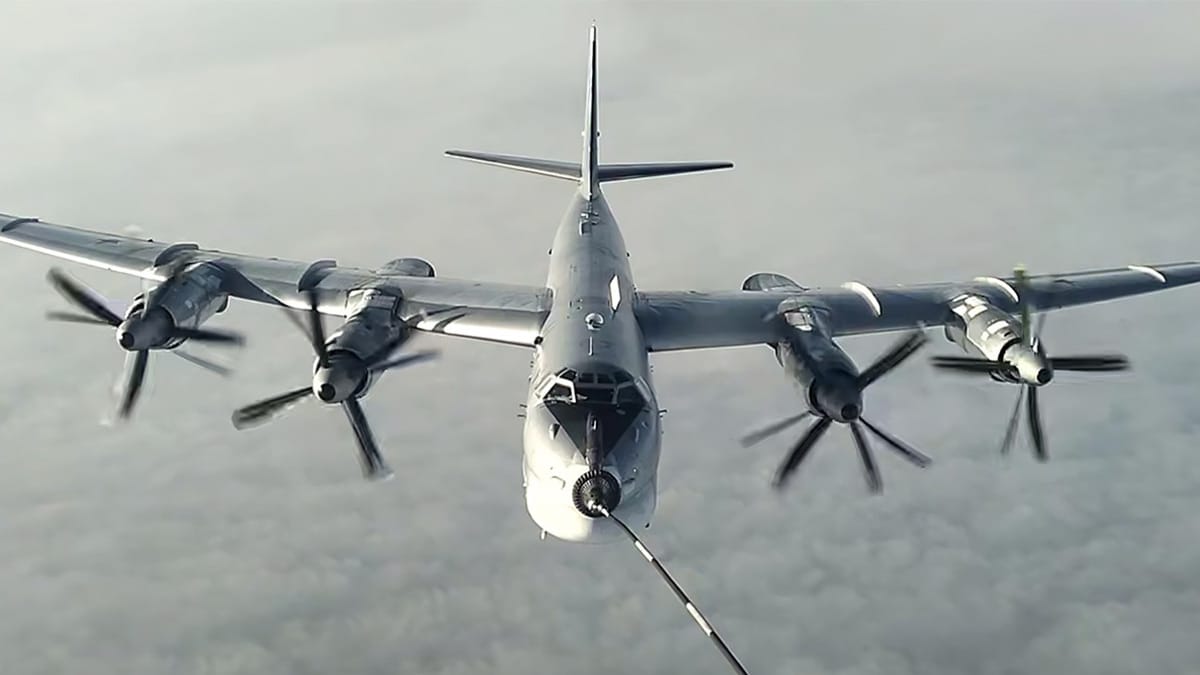
From the perspective of defense ministries in Europe, Ukrainian deep strikes—whether carried out with Western-supplied missiles or Ukraine's own rapidly expanding fleet of long-range drones—aren't reckless provocations. They're basic military necessity. Russia launches glide bombs, ballistic missiles, and drones from bases inside its own territory every single day. Telling Ukraine it can only shoot down incoming arrows while leaving the archer untouched guarantees an exhausting war of attrition that favors Russia's larger population and industrial base.
When U.S. officials express frustration over strikes on Russian oil refineries or rear-area command posts, European diplomats point out a glaring contradiction. You cannot demand that an ally fight a defensive war with one hand tied behind its back and then expect it to enter negotiations from a position of strength.
How a Trump-Putin-Xi Summit Changes the Diplomatic Math
Summits between major powers always create pressure to freeze the status quo. Everybody wants calm headlines. Nobody wants an unexpected escalation blowing up the schedule days before leaders step in front of the cameras.
That's why the prospect of a Trump-Putin-Xi summit has made Washington particularly sensitive to cross-border strikes. In a trilateral setting—or even parallel bilateral meetings surrounding a broader gathering—Beijing and Moscow both benefit from framing Ukrainian offensive operations as obstacles to peace. China has consistently presented itself as a proponent of ceasefires and stability, even while maintaining deep economic ties with Russia. If Kyiv hits high-profile targets inside Russia right before talks begin, Moscow gets an easy talking point to pitch to both Washington and Beijing.
European governments understand this dynamic completely. They just reject the conclusion Washington draws from it.
Instead of pausing military pressure to create a polite atmosphere for a summit, European leaders argue that leverage only exists when the other side feels pain. History backs them up on this. Look at almost any major conflict negotiation over the last fifty years. When one side believes time is on its side and its home territory is completely immune from consequences, it stalls. It makes maximalist demands. It uses talks to buy time for regrouping.
By continuing deep strikes inside Russia, Ukraine forces the Kremlin to stretch its air defenses thin, divert resources away from the front lines, and deal with domestic economic disruptions. European allies view that pressure as essential insurance against a bad deal being cooked up over their heads—and over Kyiv's head—during high-level U.S.-Russia-China diplomacy.
What Most Observers Miss About European Defense Calculations
There's a lazy narrative in international commentary that European countries only take a hard line on Russia because they rely on the American security umbrella. That view is outdated.
Yes, U.S. military aid and intelligence remain irreplaceable in several areas. Nobody in Brussels or Warsaw pretends otherwise. Still, European allies have spent the last several years overhauling their own defense budgets, expanding artillery production, and investing directly in Ukraine's domestic defense industry. When countries like Denmark, the Netherlands, and the Baltic states push back against U.S. criticism of deep strikes, they're acting out of direct self-interest.
They live in the neighborhood. If a summit produces a premature freeze that leaves Russia's military machine intact and validates territorial conquest, European capitals are the ones dealing with the fallout for the next twenty years.
The Rise of Ukrainian Domestic Long-Range Capabilities
Another detail that often gets lost in coverage of U.S.-European friction is how much Ukraine's own capabilities have changed. Early in the war, Washington held an effective veto over deep strikes because Kyiv relied almost entirely on Western-supplied munitions, which came with strict geofencing and policy conditions.
That dependency has shrunk dramatically. Ukraine has poured resources into long-range attack drones and domestic missile programs capable of reaching hundreds of kilometers inside Russia without using a single American component.
This shifts the political dynamic entirely. U.S. criticism no longer functions as a technical off-switch. Instead, it turns into public diplomatic pressure—and European allies are signaling that they won't join Washington in pressuring Kyiv to stand down. By publicly defending Ukraine's right to strike legitimate military targets inside Russia under international law, European leaders are giving Kyiv political cover to keep operating even when Washington frowns.
The Economic and Energy Angle
U.S. officials have historically worried about Ukrainian strikes on Russian energy infrastructure for a very specific reason: global oil prices. Keeping fuel costs stable is always top of mind in Washington, especially during sensitive political periods or major diplomatic initiatives.
European allies, having already endured the shock of decoupling from Russian pipeline gas, look at the energy equation differently. They see Russian oil and fuel revenues as the direct lifeblood of the Kremlin's war economy. If Ukrainian drone strikes knock out refining capacity and force Moscow to restrict fuel exports or scramble for repairs, European strategists view that as a direct hit on Russia's ability to fund troop recruitment and weapons manufacturing.
To European policymakers, prioritizing marginal stability in global energy markets over degrading Russia's war machine looks like a classic case of short-term thinking.
Why International Law Favors the European Position
Strip away the diplomatic spin, and the legal framework is straightforward. Under Article 51 of the United Nations Charter, a nation acting in self-defense has the inherent right to strike legitimate military targets belonging to the aggressor—regardless of whether those targets sit across an international border.
International humanitarian law draws a clear line between civilian infrastructure and military objectives. Airfields housing bombers, ammunition depots, fuel facilities supplying armed forces, and command centers all fall squarely into the category of lawful military targets.
European officials routinely cite this principle when rejecting U.S. criticism. Accepting the premise that Russian territory is a sanctuary while Ukrainian cities are bombed nightly doesn't just hurt Ukraine's battlefield prospects. It sets a dangerous precedent that any nuclear-armed state can invade a neighbor and enjoy total immunity within its own borders simply by threatening escalation.
NATO allies along the eastern flank—Poland, Finland, Estonia, Latvia, and Lithuania—find that precedent terrifying. If nuclear deterrence becomes a shield for cross-border aggression rather than a tool to prevent war, the entire security architecture of Europe breaks down. That's why their diplomats refuse to echo Washington's cautious language.
What to Watch Before the Summit Happens
The public disagreement between Washington and its European allies isn't going away anytime soon. In fact, as preparations for high-level talks involving Trump, Putin, and Xi move forward, you can expect the messaging gap to widen.
Pay close attention to three concrete indicators over the coming weeks:
- Joint European defense announcements. Watch whether European capitals accelerate direct funding for Ukrainian long-range drone and missile production. Money talks louder than diplomatic statements, and direct financing is the clearest way for Europe to offset any hesitation from Washington.
- Target selection inside Russia. Look at what Kyiv hits next. If Ukrainian forces focus heavily on military airfields, logistics hubs, and defense manufacturing plants rather than sensitive export terminals, it signals a calculated effort to maintain European backing while minimizing friction with the U.S.
- Beijing's diplomatic framing. Keep an eye on how Chinese officials talk about battlefield restraint ahead of a summit. If Beijing amplifies U.S. criticism of deep strikes to portray Washington and Beijing as aligned on "de-escalation," European leaders will likely push back even harder to ensure Kyiv isn't cornered.
Follow official communiqués from NATO ministerial meetings and statements from the European External Action Service rather than relying solely on anonymous leaks out of Washington. Tracking how European defense ministries structure their bilateral security agreements with Kyiv will tell you far more about the real balance of leverage heading into any summit than political rhetoric ever will.