Parents trying to book a nursery place in England right now know the drill. You find a spot, look at the headline rate, and then get hit with mandatory "consumables" fees, massive waiting list deposits, and restrictive hours that make the government's supposedly free childcare offer feel like a mirage.
The UK competition watchdog has seen enough.
The Competition and Markets Authority (CMA) formally launched a major market study into early years education and childcare services. Prompted by a formal request from the Education Secretary, this isn't just a surface-level look. The CMA is widening its scope to figure out exactly why a £14 billion sector backed by nearly £9 billion in taxpayer funding is still leaving parents broke and providers on the brink of collapse.
If you think this is just another dry regulatory review, you aren't looking closely at the numbers or the shifting corporate structure behind your local nursery.
The Hidden Costs of Free Childcare
The government expanded its funded childcare rollout to give eligible working parents of toddlers 30 hours of funded care per week. On paper, it sounds great. In reality, the mathematics of the system are broken.
The state pays providers a set hourly rate for those "free" hours. The problem? That rate frequently fails to cover the actual cost of delivery, especially with rising staff wages and energy bills. To stay afloat, nurseries have turned to what the sector politely calls alternative market practices.
- Top-up fees by another name: While nurseries can't legally charge an hourly top-up for funded places, many now require mandatory daily charges for meals, nappies, and trips.
- Waiting list traps: Parents routinely report paying non-refundable fees just to put their child's name on a register, with no guarantee of a spot.
- Squeezing the paid hours: Some settings restrict funded places to specific, awkward blocks of time, forcing parents to buy expensive, non-funded hours around them to keep their jobs.
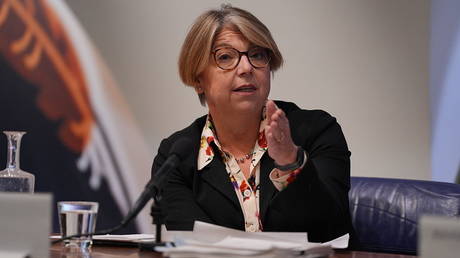
The CMA is focusing heavily on these consumer practices. Watchdog chief Sarah Cardell noted that too many families are struggling to find the right place at an affordable price. The investigation will dissect whether these add-on fees violate consumer protection law or represent a fundamental market failure caused by underfunding.
Private Equity and the Great Childminder Disappearance
The structural anatomy of British childcare has altered dramatically over the last decade. It used to be a fragmented mix of small, independent nurseries, local childminders, and not-for-profit community groups. Not anymore.
Data from University College London highlights a striking trend. Between 2018 and 2024, the market share of private equity-backed providers doubled, accounting for 8% of all places. Over that exact same period, provision by partnership settings dropped by 28%, and not-for-profit places fell by 8%.
Corporate consolidation changes how nurseries operate. Large chains benefit from economies of scale, but their primary allegiance is to investor returns, not local community survival.
Concurrently, independent childminders are vanishing from the ecosystem. Department for Education statistics reveal a brutal 39% plunge in childminder numbers between 2018 and 2025, falling from 36,500 down to 22,300. This collapse wipes out the most flexible, affordable option for shift workers and families living outside major urban centers.
Geographic Cold Spots and Inequality
The crisis isn't distributed evenly. The watchdog is explicitly scrutinizing cross-subsidy dynamics. In affluent suburbs, nurseries can survive by charging wealthy parents high fees for extra, non-funded hours or expensive extracurricular clubs.
In less affluent areas, that option doesn't exist. Parents don't have the disposable income to absorb inflated fees for "consumables." As a result, nurseries in disadvantaged communities are shutting down at a disproportionate rate.
This creates childcare deserts. Families in poorer regions or those managing Special Educational Needs and Disabilities (SEND) face systemic exclusion because providers simply cannot afford to deliver the resource-intensive care required under current funding structures.
What Happens Next
The CMA is inviting evidence from parents, providers, and local authorities to build its case. Provisional findings are due by early 2027.
Don't expect immediate price drops tomorrow morning. However, this investigation gives the government the independent, empirical ammunition it needs to overhaul funding delivery. The outcomes could range from strict enforcement actions against hidden nursery fees to a complete restructuring of how state funding is distributed to providers.
If you are a parent or provider impacted by these issues, you can submit your experiences directly via the CMA’s open call for evidence on the GOV.UK portal. For parents, documenting your invoices and keeping track of mandatory extra fees will be vital as regulatory scrutiny intensifies over the coming months.