Oil prices don't care about diplomatic posturing, but they definitely care about confusion. Right now, the energy market is swinging wildly because nobody can agree on what is actually happening behind closed doors in Doha. One minute, traders think a historic peace deal is imminent. The next minute, reality hits, and everyone remembers that a four-month-old war doesn't just evaporate overnight.
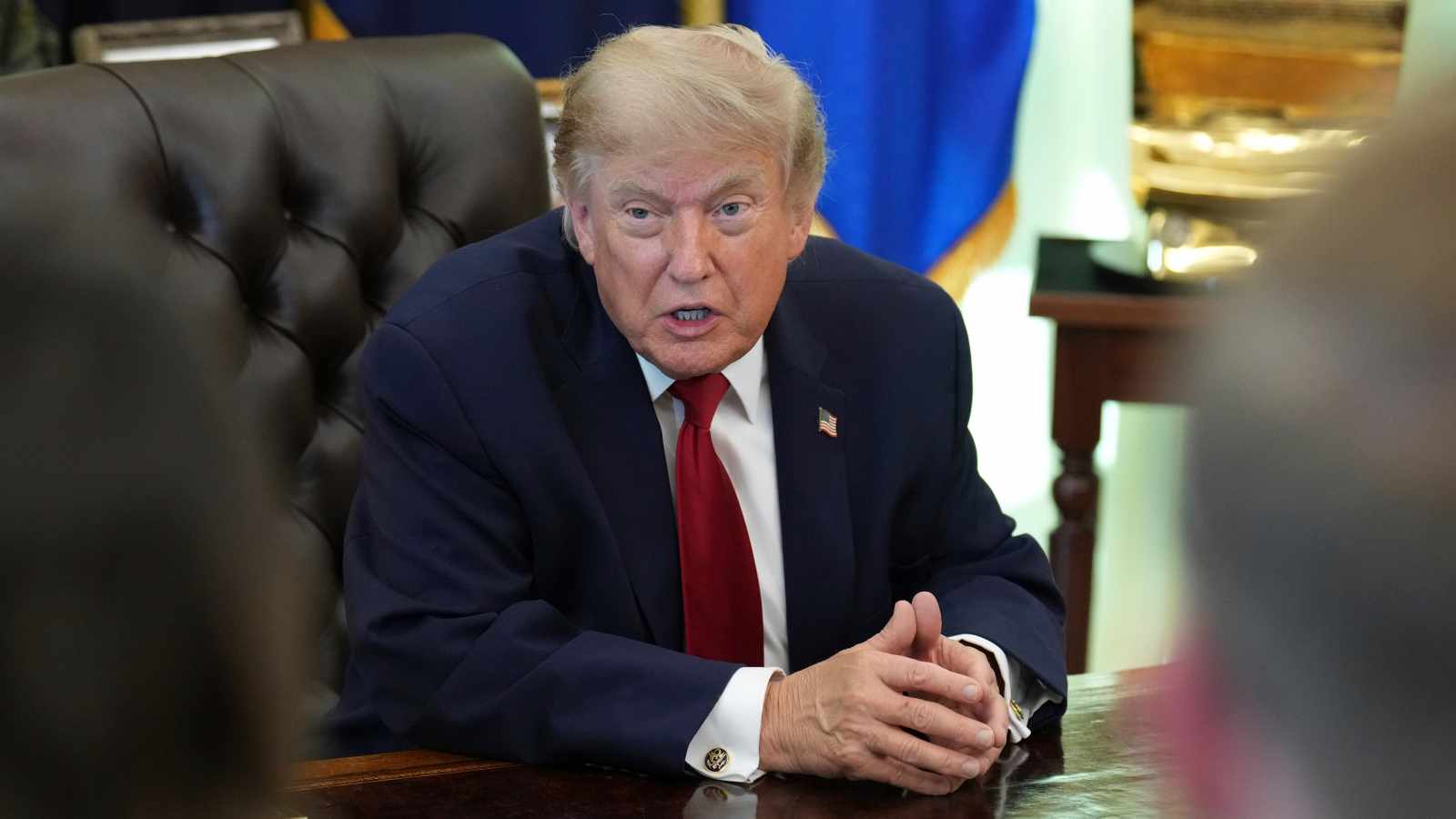
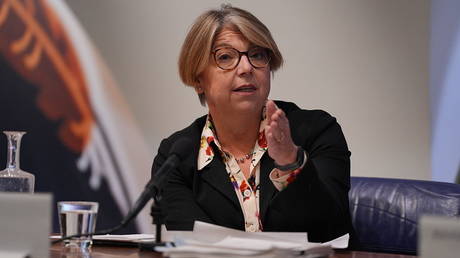
If you are trying to make sense of why West Texas Intermediate and Brent crude are bouncing around like a tech stock, you have to look at the mixed signals coming out of Qatar. Donald Trump posted on Truth Social that Iran begged for a meeting and that both sides were sitting down on Tuesday. Almost immediately, Iran's Deputy Foreign Minister Kazem Gharibabadi flatly denied it, stating that no technical talks were scheduled.
This public game of chicken has triggered massive volatility. Brent crude is sitting around $73 a barrel, while WTI hovers just under $70. To put this in perspective, June brought a brutal 19% to 20% drop for both benchmarks. Brent just suffered its worst quarterly loss since the 2008 financial crisis, plunging roughly $45 a barrel across the first half of the year. Traders are pricing in a permanent peace that simply does not exist yet. It is a dangerous game.
The Mirage of a Quick Diplomatic Fix
The market is acting like the June 17 memorandum of understanding solved everything. It didn't. Warren Patterson, the head of commodities strategy at ING Bank, pointed out that the recent sell-off assumes a temporary ceasefire is already a done deal. That is a massive logical leap.
The reality on the ground is highly fragmented. U.S. special envoys Steve Witkoff and Jared Kushner did arrive in Doha. But they didn't sit across a polished mahogany table from Iranian officials. They met with Qatari mediators, including Prime Minister Sheikh Mohammed bin Abdulrahman al-Thani. Qatar's foreign ministry had to explicitly clarify that the U.S. team was not there for direct negotiations with the Iranians.
This distinction matters immensely for oil prices. Direct talks mean rapid adjustments. Indirect mediation means slow, grueling bureaucracy. When you add the fact that both nations exchanged military strikes over the weekend, the idea of a clean 60-day window to iron out a permanent nuclear agreement looks incredibly optimistic, if not entirely delusional.
Weaponizing the Strait of Hormuz
You cannot talk about oil prices without talking about geography. The four-month war completely choked the Strait of Hormuz, which is the single most critical artery for global oil exports. When Tehran shut it down following military escalations in February, prices rocketed. Now, the straits are starting to reopen, but the process is unpredictable and messy.
Iran is not planning to just give up its geographic advantage. The U.S. negotiation team is currently trying to figure out the details of a new Iranian plan to charge tolls in the Strait of Hormuz. Iran wants to collect fees for commercial transit, while Oman is proposing an alternative plan involving navigational service charges.
Think about what this means for global shipping. Aaron David Miller from the Carnegie Endowment for International Peace stated bluntly that we are not going back to the pre-war status quo of free and unfettered transit. Iran knows it holds the cards here. They are weaponizing geography to secure financial leverage. For oil buyers, this means permanent compliance costs and lingering shipping risks will remain baked into every single barrel you buy.
The Six Billion Dollar Financial Stumbling Block
Behind all the rhetoric about ceasefires lies a massive chunk of frozen cash. Iran is demanding the release of $6 billion in frozen financial assets currently held in Qatari banks. Iranian President Masoud Pezeshkian has made it clear that getting this money back is a non-negotiable condition for sticking to the U.S.-Iran memorandum of understanding.
Unfreezing these funds is legally and politically complicated for the Trump administration, especially with congressional elections looming in November. If the U.S. blinks and releases the cash, it faces domestic political blowback. If it holds the funds, Iran can easily walk away from the table and restart hostilities in the gulf.
This financial friction is why the markets are so jumpy. If the $6 billion asset transfer stalls, the ceasefire collapses. If the ceasefire collapses, the Strait of Hormuz closes again. It is a fragile domino chain, and oil traders are staring at the first domino with their hands on the sell button.
Central Banks get a Temporary Breathing Room
The dramatic slide in oil prices has completely changed the conversation for global economists. Lower crude costs mean lower inflation pressures, which gives central banks across the globe an excuse to alter their playbooks.
Ryan Sweet, the chief global economist at Oxford Economics, noted that the drop in oil prices has reduced the immediate pressure on central banks to keep tightening monetary policy. The Federal Reserve recently kept interest rates steady, removing its previous bias toward tightening. Economists are already pushing out the timing for the next projected rate cuts into late 2027, driven by this sudden shift in the energy matrix.
However, this economic relief is built on quicksand. If the Doha talks fall apart entirely and Brent spikes back toward $100, central banks will be forced to reverse course instantly. You cannot plan a long-term corporate budget or an investment portfolio around a stability that depends on daily tweets and state media denials.
How Energy Buyers and Investors Must Respond Now
Stop trading the headlines. The daily back-and-forth between Washington and Tehran is mostly noise designed for domestic audiences. If you are managing energy procurement or tracking commodity exposure, you need to ignore the daily price wiggles and look at structural realities.
First, recognize that the geopolitical risk premium has shrunk too fast. A 20% drop in a single month suggests a level of stability that does not match the actual tension in the Middle East. Keep your supply hedges flexible. Do not lock in long-term contracts assuming oil will stay at $70 through the rest of the year.
Second, watch the European reactions. European powers like France and the UK are currently discussing international de-mining operations in the Strait of Hormuz. Iran's foreign ministry spokesman, Esmail Baghaei, recently warned them to stay out of it, claiming Iran can handle its own backyard. If European naval vessels get involved against Iran's wishes, accidental escalation becomes a massive threat.
Lock in short-term wins where you can, but prepare for an autumn supply squeeze. The 60-day clock is ticking, the positions are deeply entrenched, and the oil market is one bad headline away from a massive reality check.