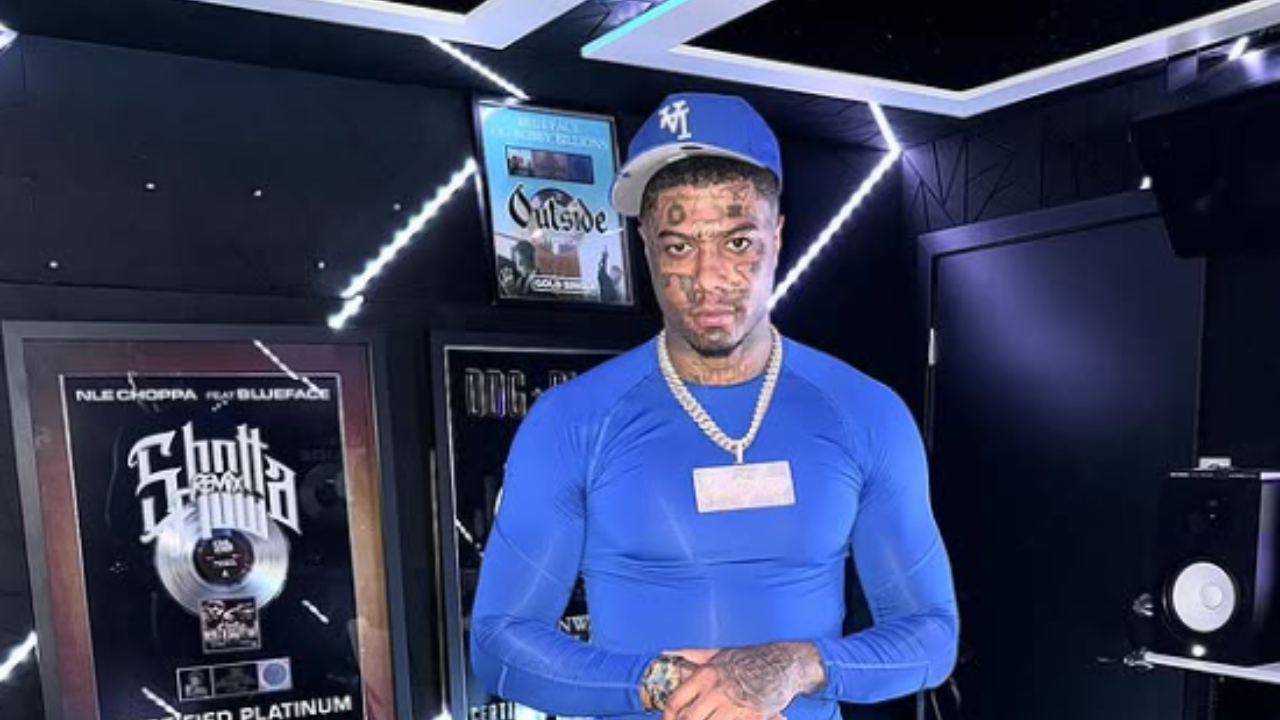
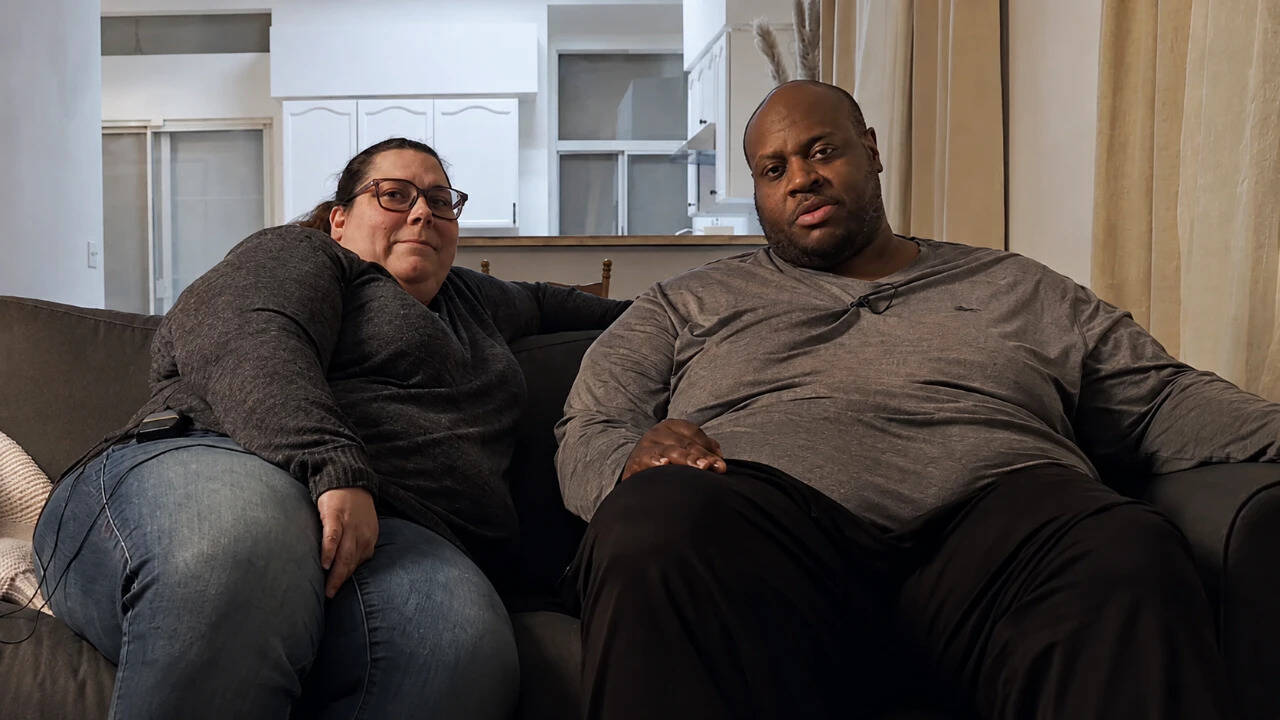
Thirty years have evaporated since a white Cadillac pulled alongside a BMW on Las Vegas Boulevard, and a barrel spat four fatal slugs into Tupac Shakur. Three decades later, society treats a courtroom drama involving Duane "Keefe D" Davis as some form of cosmic reckoning.
It is a circus. It is an expensive, performative exercise designed to offer comfort to people who cannot stomach the brutal, unfixable reality of the 1990s music industry: powerful institutions got precisely what they wanted, and the justice system has zero jurisdiction over cultural history.
The lazy consensus running through every mainstream headline is simple. The narrative claims that locking up an aging gang affiliate brings closure. It suggests that a trial equates to accountability. That premise is lazy, intellectually dishonest, and entirely divorced from how systemic street power and corporate machinations actually functioned at the height of Death Row Records' dominance.
Let us dismantle the comfortable fiction.
The Myth Of The Smoking Gun
Walk into any media room covering this trial, and you will hear the same breathless reverence for Keefe D’s own recorded confessions. Journalists treat his boastful documentary interviews and police debriefings as gospel because they want a neat ending.
Real street mechanics do not work like a legal textbook.
I spent years navigating the perimeter of the West Coast rap economy during its most violent eras. I watched executives shuffle millions through offshore accounts while foot soldiers took the operational risk. Keefe D was a braggadocious facilitator, a middleman talking to anyone with a microphone or a book deal long after the principals were dead. Treating his late-stage storytelling as a masterclass in investigative closure ignores a fundamental truth of criminal enterprise: peripheral players talk loudest because they matter least.
When legal systems rely on the retrospective confessions of aging participants decades after the fact, they are not dispensing justice. They are recycling mythology for a public addicted to true crime entertainment.
The Institutional Convenience
Why now? Why waste public coffers on a trial thirty years removed from a crime scene where the primary instigators are already rotting in graves?
Look closer at the mechanics of institutional self-preservation. Modern police departments and district attorneys love cold case theater. It requires zero predictive policing, generates endless media cycles, and projects an illusion of competence. Solving a decades-old hip-hop homicide costs the state nothing in terms of contemporary policy reform. It avoids looking at the structural corruption, the negligent Las Vegas Metro police response on the night of September 7, 1996, and the record label boardrooms that profited billions off the subsequent East Coast versus West Coast body count.
The trial of Keefe D is a deflection. It permits the culture to focus on one man's fading memories rather than the ecosystem that turned a murder into a multi-billion-dollar merchandising campaign.
"True closure does not come from a gavel falling in a Nevada courtroom thirty years too late. It comes from admitting that the industry consumed its own prophets and laughed all the way to the clearinghouse."
The Wrong Question Entirely
People ask: Will this trial finally reveal who pulled the trigger?
That is the wrong question. It has always been the wrong question.
Orlando Anderson was identified, chased, and protected by the chaotic undertow of Compton gang politics long before a stray bullet found him in a separate Compton car wash shootout two years later. Focusing on the trigger finger misses the architecture of the tragedy. Tupac Shakur was not gunned down because of a random casino scuffle over a medallion. He was an explosive, highly literate, politically radicalized asset trapped inside a corporate machine that commodified his rage while fearing his intellect.
When you frame the murder as a simple drive-by gone wrong, you absolve the record executives, the media conglomerates, and the security voids that turned high-profile artists into gladiators for public consumption.
What Accountability Actually Looks Like
If we genuinely cared about accountability in American entertainment and criminal justice, we would look at how information is suppressed, how witnesses are compromised by sensationalist media deals, and how federal agencies tracked the rise and fall of rap empires with predatory indifference.
Instead, we get a courtroom spectacle. We get cable news pundits parsing the statements of a man who spent twenty years trading stories for immunity or relevance.
Stop pretending this courtroom drama is about healing. Stop acting as if a conviction retroactively fixes the rot inside an industry that traded human lives for platinum plaques.
The verdict will drop. The headlines will fade. The records will still spin. And Tupac Shakur will remain what he has always been: a casualty of an American entertainment complex that prefers its legends dead, boxed, and safely monetized.