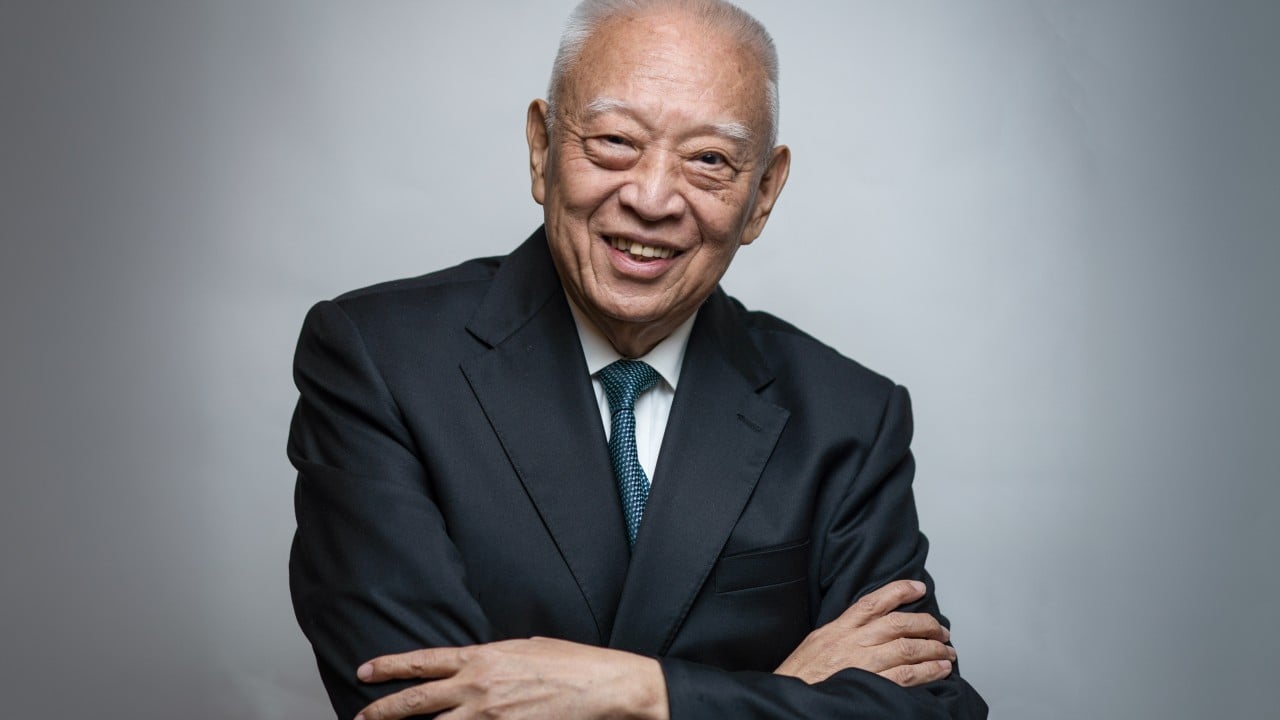
History doesn't happen in a vacuum. When a leader steps down or passes away, the reactions usually follow a predictable script of sanitized grief. But the global response to Tung Chee hwa tells a much more complicated story. He wasn't just a political figurehead. He was the literal bridge between two entirely different worlds.
You cannot understand modern Hong Kong without looking at his tenure. He took the helm during the 1997 handover. Imagine steering a ship through a massive storm while the engine is being rebuilt. That was his reality.
The Weight of the Handover
July 1, 1997. The British flag came down. The Bauhinia flag went up. Tung stepped into office as the first Chief Executive of the Hong Kong Special Administrative Region.
He didn't come from a traditional political background. He was a shipping tycoon. Beijing picked him for his business acumen and his international profile. They wanted stability. They wanted continuity. But shipping container logistics don't translate smoothly into governing a restless, free-wheeling metropolis of millions.
People forget the sheer anxiety of that era. Financial markets were jittery. The Asian Financial Crisis hit almost immediately. Property values plummeted. People were negative on their mortgages overnight. Tung faced crises that would have broken seasoned politicians.
The Missteps That Defined an Era
Let's be honest about the flaws. Tung's administration struggled with execution. The policy to build eighty-five thousand flats a year to fix housing shortages became a political anchor. When the property market crashed, that initiative quietly vanished, leaving buyers furious and confidence shaken.
Then came Article 23. That security legislation triggered massive protests in 2003. Half a million people marched through the streets in the blistering summer heat. They weren't just angry about a law. They were expressing deep anxiety about their changing identity, economic strain, and future freedoms.
Tung listened, though. He delayed the bill. He eventually resigned in 2005, citing health reasons, though the political writing was already on the wall. He became the first leader to step down before completing his term.
Life After the Chief Executive Office
Most politicians fade away into quiet obscurity or bitter memoirs. Tung took a different path. He transitioned into a senior statesman role, serving as Vice Chairman of the Chinese People's Political Consultative Conference.
He used his international connections quietly. He founded organizations meant to bridge East and West, trying to explain Beijing to Western capitals and vice versa. He remained a fixture in Beijing's grand strategy for national reunification and stability.
When tributes roll in now, they highlight his dedication. Say what you will about his policies, but nobody can question his sense of duty. He took on an impossible job at an impossible moment in history. He served because he believed he had to.
What the Tributes Miss
Current commentary often romanticizes his later years or hyper-focuses on the turbulence of his executive term. The real legacy of Tung Chee hwa is about institutional survival.
He proved that the "One Country, Two Systems" framework could actually function through extreme economic and political stress, even if it stretched at the seams. He absorbed the initial shocks of reintegration so that future generations didn't have to face a complete institutional collapse on day one.
Hong Kong remains a financial titan today because the foundations held, shaky as they felt in 1998 or 2003. Tung was the shock absorber.
Pay attention to how cities remember their pioneers. They rarely agree on the legacy. They argue, they fight over the narrative, and they eventually realize that the people at the wheel shaped the very contours of daily life. Tung Chee hwa left a mark that isn't washing away anytime soon.
Look at the structural shifts in the region today. The debates sparked during his era about housing, governance, and national security still dominate headlines. If you want to know where Hong Kong is heading, stop looking at tomorrow's stock market report and start reading the unvarnished history of the man who caught the territory as it fell from British hands into a new century.