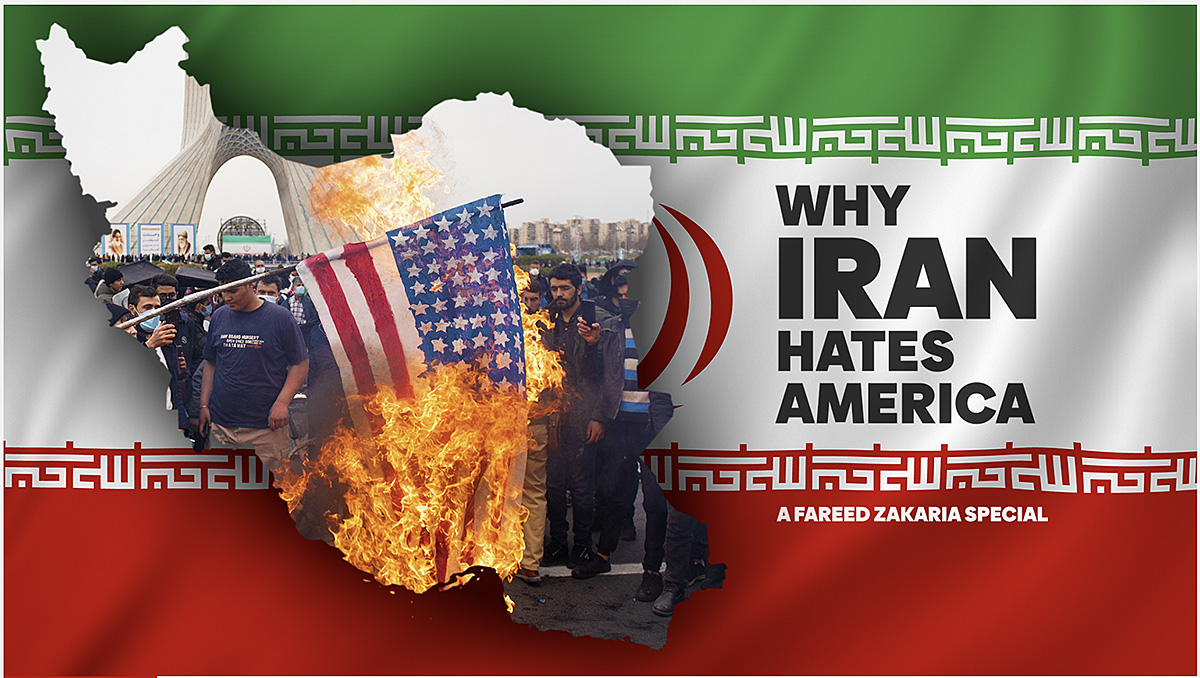
Washington and Tehran don't talk. At least, that's what the official press releases want you to believe. But behind the heavy curtains of Islamabad’s diplomatic enclave, a much more interesting story is unfolding. Recent reports of Iran-US talks in Islamabad held via indirect and direct channels suggest that the two old rivals are using Pakistan’s capital as a quiet sandbox for high-stakes negotiation.
It makes sense. Islamabad has the infrastructure and the historical neutrality in this specific fight to host such a delicate dance. If you’re looking for a formal treaty or a public handshake, you’re looking in the wrong place. These sessions aren't about grand bargains. They're about "de-confliction"—a fancy way of saying they’re trying to make sure they don’t accidentally start a war neither side can afford right now. For a deeper dive into similar topics, we suggest: this related article.
Why Islamabad is the Perfect Backdoor
Pakistan occupies a unique spot on the map. It shares a long, porous border with Iran and maintains a complicated, multi-decade security relationship with the United States. For a long time, Oman was the go-to middleman. But Muscat is getting crowded. Islamabad offers a different kind of discretion.
Sources within the diplomatic circles suggest that these meetings aren't just one-off events. They’re part of a sustained effort to keep lines open while the Middle East feels like it’s sitting on a powder keg. When we talk about "direct and indirect" channels, we mean a mix of face-to-face sit-downs between mid-level officials and the classic "shuttle diplomacy" where Pakistani intermediaries carry messages between two different hotel rooms. It sounds like something out of a Cold War spy novel because it basically is. For broader details on the matter, detailed coverage can also be found at TIME.
The United States needs to know exactly where Iran’s red lines are regarding regional proxies. Iran needs to know how far the US will go with sanctions or military posturing. Using Islamabad as a base allows both sides to save face. They can deny any official "negotiations" are happening while still getting the work done.
The Mechanics of Indirect Messaging
Don't let the term "indirect" fool you into thinking it's inefficient. Often, indirect communication is clearer because it removes the ego from the room. In these Islamabad sessions, Pakistani officials often act as the buffer. They ensure that a message from Washington isn't misinterpreted by Tehran as an immediate threat, and vice versa.
- The "Paper Trail" Strategy: Often, non-papers (documents without official letterheads) are swapped. This gives both sides "plausible deniability."
- The Technical Experts: These aren't always career politicians. Often, they’re technical experts on nuclear physics or regional maritime security.
- The Pakistan Factor: Islamabad isn't just a passive host. They have their own skin in the game. A stable Iran-US relationship means a more stable border for Pakistan.
The reality is that direct talks are still rare and incredibly sensitive. When they do happen, they’re usually focused on very specific, narrow goals like prisoner exchanges or specific maritime coordinates in the Persian Gulf. They aren't debating the merits of democracy or the nuances of the 1979 revolution. They're talking about how to keep ships moving and drones from crashing into things they shouldn't.
Misconceptions About the Islamabad Connection
Most people think these talks are a sign of a "thaw" in relations. That's a mistake. Talking doesn't mean liking each other. In fact, you usually talk the most to the people you trust the least. These meetings in Islamabad are a symptom of high tension, not a cure for it.
I’ve seen people argue that Pakistan is "choosing a side" by hosting these talks. That's also wrong. By playing the host, Pakistan increases its own diplomatic leverage with both Washington and Tehran. It’s a power move. It makes them indispensable. If you’re the only person in the room who can talk to both guys who want to punch each other, you’re the most important person in that room.
Another big misconception is that these talks are a secret from the rest of the world. Trust me, the Saudis know. The Israelis know. The Emiratis know. In the world of high-level diplomacy, "secret" usually just means "not officially acknowledged on Twitter." Everyone who needs to know is watching Islamabad very closely.
What's Actually on the Table
You won't find a public agenda for these meetings. But based on the current regional climate, we can take a very educated guess at what's being discussed.
- Maritime Security: The Gulf of Oman and the Red Sea are hotspots. Preventing a total shutdown of shipping lanes is priority number one for the global economy.
- Border Stability: Iran and Pakistan have had their own recent skirmishes. The US wants to ensure these don't spiral into something that forces them to get involved.
- Sanctions Relief vs. Nuclear Compliance: This is the big one. Iran wants their money back. The US wants the cameras back in the nuclear facilities. Islamabad provides a quiet place to haggle over the "who goes first" dilemma.
The Risks of Secret Diplomacy
Everything can go wrong in a heartbeat. The biggest risk with these Islamabad talks is a leak that gets weaponized by hardliners in either capital. If the "direct" nature of these talks is publicized with photos or names, the Iranian hardliners will call it a betrayal of the revolution. Meanwhile, in Washington, hawks would scream about "appeasement."
This is why the security around these meetings is so tight. It’s not just about physical safety; it’s about political survival. If the talks fail, everyone goes back to their corners and pretends it never happened. If they succeed, we see a "sudden" and "unexpected" easing of tensions that was actually months in the making.
How to Track These Developments
You aren't going to get a press release from the State Department about this. To see if the Islamabad channel is working, you have to watch the "vibes" of the regional players.
Watch the frequency of high-level Pakistani visits to Tehran. Keep an eye on the rhetoric coming out of the Iranian Foreign Ministry. If the tone shifts from "the Great Satan" to "the American side," even slightly, something is moving in the background.
Look at the movement of tankers in the region. If seizures stop or decrease without a clear explanation, the Islamabad channel probably had a hand in it. Diplomacy at this level is a game of whispers. You have to listen to the silence as much as the noise.
What This Means for Regional Stability
Honestly, the fact that they're talking at all is a win. In a region where a single drone strike can trigger a chain reaction, having a neutral ground like Islamabad is a safety valve. It doesn't mean we're heading for a "Grand Bargain" or a return to the JCPOA. It just means both sides are rational enough to know that total silence is dangerous.
The Islamabad channel represents a pragmatic shift. It’s a move away from the "all or nothing" diplomacy of the past decade toward a more transactional, "piece-by-piece" approach. It’s messy, it’s slow, and it’s often frustratingly vague. But it’s better than the alternative.
If you want to stay ahead of this, stop looking for headlines in the Western press and start looking at the diplomatic movements in South Asia. That's where the real work is happening. Pay attention to the flight paths between Doha, Muscat, and Islamabad. Follow the career diplomats who suddenly disappear from public view for a week. They’re the ones making sure the world doesn’t catch fire while we’re all looking the other way.
Keep an eye on the official statements from the Pakistani Foreign Office. They'll be the first to drop breadcrumbs, usually buried in the third or fourth paragraph of a routine briefing. When they start mentioning "regional peace initiatives" or "facilitating dialogue," you know the Islamabad channel is active. Don't wait for the confirmation; by the time it's confirmed, the real deal is already done.