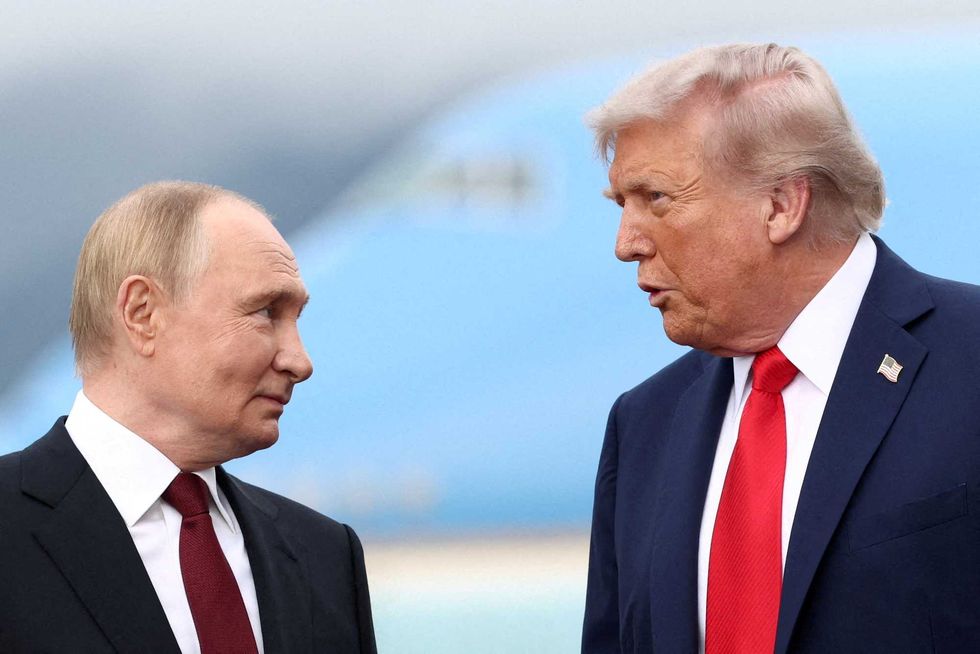
Foreign policy has a funny way of breaking political alliances overnight. When Donald Trump opened the door to a controversial deal involving Russian diesel and sanctions relief, he didn't just rattle traditional diplomatic channels. He triggered an immediate revolt among his most loyal defenders on Capitol Hill.
For years, the Republican party line on Moscow was clear. Lawmakers stood shoulder-to-shoulder condemning foreign energy dependence and backing strict punitive measures. Now, the administration's pivot has created a massive intra-party fracture. Senators and representatives who usually march in lockstep with the White House are openly calling the move a dangerous miscalculation.
The Diesel Deal That Shocked Washington
The friction centers on a recent executive maneuver that waived certain sanctions to allow the flow of Russian diesel into global markets. Administration officials defended the choice as a practical play to steady international fuel supplies and cool down spiking prices for everyday consumers.
Critics within the GOP aren't buying it. Veterans of congressional foreign policy committees point out the blatant hypocrisy of easing restrictions on a nation that Washington spent years trying to isolate economically. When you spend half a decade lecturing European allies about buying energy from Vladimir Putin, pivoting to purchase Russian fuel yourself creates a messaging nightmare.
The backlash wasn't just quiet grumbling behind closed doors. A bipartisan group of senators, featuring prominent Republicans alongside key Democrats, fired off an urgent joint letter demanding an immediate reversal. They argued that giving Moscow any financial relief while the conflict in Ukraine rages on acts as a direct lifeline to the Kremlin's war chest.
Why Republican Lawmakers Are Breaking Ranks
Domestic politics and national security ideology are colliding. Several key GOP lawmakers who co-sponsored tough Russia sanctions legislation feel personally undermined by the waiver. They argue that bypassing congressional intent damages legislative leverage and sends a weak signal abroad.
Constituent pressure adds another layer of urgency. Lawmakers facing upcoming electoral battles find themselves defending an administration policy that feels antithetical to core conservative principles of national strength. Voters want lower prices at the pump, but they don't want those savings funded by compromises with foreign adversaries.
Beyond the diesel agreement, simmering frustrations over defense communications and intelligence sharing have poured fuel on the fire. Reports that critical satellite access for Ukrainian defensive platforms faced sudden disruptions left congressional hawks demanding answers from the Pentagon. When private contractors or administration directives sideline allied capabilities during active combat, Capitol Hill takes notice.
The Legislative Counteroffensive
Congress isn't just writing angry letters this time. Lawmakers are moving quickly to draft restrictive legislation aimed at blocking oil waivers permanently. Bipartisan bills introduced in the House seek to nullify Treasury Department exceptions that permit Russian energy transactions.
This legislative push represents a rare moment where domestic oversight completely supersedes party loyalty. Even if the executive branch holds primary authority over foreign statecraft, a unified congressional front can dramatically complicate implementation. Budgetary threats and oversight hearings are already on the table to force accountability.
If you're tracking how foreign policy shifts impact domestic power dynamics, watch how leadership handles these committee votes. The outcome will dictate the limits of executive power on international trade for the rest of the term.
Check out this discussion on Trump's latest foreign policy moves to see a breakdown of how these controversial agreements are shifting political alliances in Washington.


